-
 Absolutes
-
 Active Complexes
-
 Actives & Peptides
-
 Amino Acids & Proteins
-
 Food Flavors
-
 Ayurvedic Ingredients & Herbs
-
 Vitamins & Coenzymes
-
 Chocolate Making Supplies
-
 Thickeners & Gelling Agents
-
 Hydrosols & Floral Waters
-
 Hydrolyzed Proteins
-
 Fragrance Ingredients
-
 Nutraceutical Ingredients
-
 Acids, Salts, Alcohols & Alkalis
-
 Preservatives & Antioxidants
-
 Cosmetic Ingredients
-
 Colorants, Micas & Glitters
-
 Masks, Scrubs & Botanicals
-
 Oils & Butters
-
 Candle Making Supplies
-
 Melt and Pour Soap Bases
-
 Cream, Lotion & Hair Care Bases
-
 Fragrance Oils & Industrial Aromatics
-
 Cleansing Agents & Surfactants
-
 Peeling Actives & Acids
-
 Cosmetic Powders
-
 Solvents & Humectants
-
 Silicones & Conditioning Agents
-
 Bottles, Jars & Vials
-
 Silicone & Plastic Molds, Tools
-
 Botanical Extracts
-
 Cosmetic Emollients
-
 Emulsifiers
-
 Essential Oils
- Gel Food Coloring Wholesale 39
- Cosmetic Pigments Wholesale 17
- Lipstick Pigments Wholesale 40
- Chocolate Colorants Wholesale 10
- Liquid Migrating Dyes Wholesale 24
- Oil Soluble Liquid Dyes Wholesale 17
- Liquid Ultra Pigments Wholesale 11
- Food Coloring Powders Wholesale 20
- Phosphors and Luminescent Powders Wholesale 21
- Natural colorants Wholesale 39
- Liquid Pearl Pigmen Wholesale 13
- Pearlescent Pigments Wholesale 222
- Liquid Pigments Wholesale 37
- Wholesale synthetic dyes 9
- Blended colorants Wholesale 33
- Oil Soluble Dye Powders Wholesale 11
- Pigment Powders Wholesale 16
- Fluorescent Neon Pigments Wholesale 55


Cosmetic Pigments, Colorants Wholesale


Powder, mica and oxide colorants for formulators
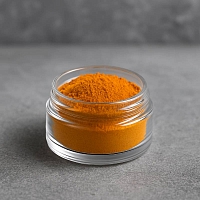
This section brings together powder-based cosmetic pigments and colorants used to build shade and tone across a wide range of formulations. The assortment covers mineral oxides, micas, ultramarines and blended powder pigments, sourced for consistent particle size and predictable color payoff batch after batch.
These pigments are formulated into pressed and loose powders, cream bases, lip products, eye and face color, bar and liquid soap tints, and body care emulsions where a matte or opaque finish is required. Formulators often combine powder pigments with other coloring systems depending on the finish and stability needed in a given base: for oil-heavy emulsions or transparent gels, a liquid pigment may disperse more evenly than a dry powder.
Where a bleeding or watercolor-like effect is intentional, such as in melt and pour bases or swirled soap bars, a migrating liquid dye gives a different visual outcome than a stable oxide blend, so the choice of colorant type depends heavily on the finished product's texture and function.
Mineral oxides, micas and ultramarines compared
Within powder colorants, mineral oxides give the most opaque, matte coverage and hold up well under heat and shear during emulsification, which makes them a reliable base shade for cream and stick formulations. Micas contribute shimmer and light reflection rather than flat opacity, so they are layered on top of or blended with oxides when a formulator wants both coverage and sheen in the same batch.
Ultramarines and blended powder pigments sit between the two, offering saturated blues, greens and violets that oxides alone cannot reproduce. Because each powder type disperses differently in oil, water or wax, formulators frequently keep several types on hand rather than relying on a single pigment family for an entire product line, and pair them with the wholesale pigment powders range for larger batch runs.
Choosing a colorant and building a palette
The right pigment depends on the base being tinted and the finish the final product needs. A dry, oil-heavy stick or pressed powder benefits from mineral oxides for stable, non-migrating color, while a clear gel or liquid base often takes color better from a dispersed system such as oil soluble liquid dyes or a concentrated liquid pigment concentrate.
For products that call for a soft, luminous sheen rather than flat color, a liquid pearl pigment can be blended alongside powder micas, and both can be adjusted against the wider colorants and pigments assortment to fine-tune intensity across an entire product range rather than a single item. Compact water-soluble colors are also useful for testing small shade variations before committing to a full production batch, such as the red food color, blue food coloring and yellow food color lines, which let formulators trial primary tones side by side.
Sourcing, storage and building out a shade library
Powder pigments in this assortment are sourced from suppliers across India, China, Germany, Switzerland, the United Kingdom, Sweden, the United States and France, giving formulators access to both classic mineral oxide origins and specialty micas with finer or more reflective particle grades. Keeping powders sealed, dry and away from direct light preserves both color strength and flow properties over time, since moisture is the main cause of clumping in fine pigment powders.
Many formulators build a working shade library that mixes powders with liquid options for faster color matching, drawing on the metallic powders, glitters and micas group and its wholesale metallic mica and glitter line for reflective finishes, or the broader dyes, pearlescents and glitters category for a full overview. Rounding out a palette with additional liquid shades such as green liquid food colorant, brown food color, orange food colorant and raspberry food color, or starting with a compact small food color set, is a practical way to test combinations before scaling up a formulation.
FAQ
What is the difference between mica and mineral oxide pigments?
Micas are layered mineral particles coated with oxides, giving shimmer, sheen or pearlescent effects, while straight mineral oxides are denser and produce flat, opaque, matte color with strong tinting strength. Formulators often blend both to balance coverage with visual finish in a single batch.
Can powder pigments be used in both anhydrous and water based formulas?
Yes, most mineral oxides, micas and ultramarines disperse in oils, waxes and silicones, and with proper wetting or milling they can also be incorporated into water based emulsions and gels. Dispersion quality depends on particle size and whether a pre-dispersion or surface treatment is used.
How much powder pigment is typically used in a formulation?
Usage levels vary widely by product type, usually ranging from under one percent in tinted creams to well over ten percent in pressed powders or opaque color cosmetics. The right amount depends on desired opacity, the base texture and how strongly tinting the specific pigment is.
Why do pigment shades sometimes look different once mixed into a base?
Color development depends on the surrounding medium: oils, waxes and emulsifiers can shift how light reflects off pigment particles, altering perceived depth and undertone compared to the dry powder. Testing a small batch in the final base before scaling up is the most reliable way to confirm true color.
How should powder pigments be stored to keep their color stable?
Keep containers tightly sealed, away from direct sunlight, moisture and heat, since humidity can cause clumping and UV exposure can gradually dull certain organic and some mineral shades. A cool, dry storage area preserves consistent color payoff across production batches.
Can these powder pigments be combined with liquid dyes or colorants in the same product?
Yes, many formulators layer powder pigments with liquid colorants to achieve effects a single system cannot produce alone, such as pairing an opaque oxide base with a translucent liquid accent. Compatibility depends on the base type, so small scale testing is recommended before full production.
Recommendations
Choosing the right powder pigment starts with matching particle type to your finished texture: reach for mineral oxides when you need dense, opaque coverage, and micas when a soft shimmer or pearl effect is the goal. For color cosmetics and pressed formats, check tinting strength and how a shade shifts once blended into your specific base, since oils, waxes and emulsifiers can all alter final appearance.
If you are formulating at a larger scale, request a small sample batch first to confirm shade consistency before committing to a full order. Our team is available by email to help match a pigment grade to your production needs and confirm current stock for the quantities you require.

This section is still empty
You can go back to the catalog page or use the navigation or search on the site.
Home page- Абсолюты
- Активные комплексы
- Активы и пептиды
- Аминокислоты
- Ароматизаторы пищевые
- Аюрведа
- Витамины
- Все для шоколада
- Гелеобразователи и загустители
- Гидролаты
- Гидролизаты протеинов
- Душистые и ароматические вещества
- Ингредиенты для нутрицевтики
- Кислоты, Соли, Спирты, Щелочи
- Консерванты и Антиоксиданты
- Косметические ингредиенты
- Красители, Перламутры и Глиттеры
- Маски для лица, скрабы, сухоцветы
- Масла и баттеры
- Материалы для свечей
- Мыльная основа
- Основа для косметики, крема, сыворотки, шампуня
- Отдушки
- ПАВы, поверхностно-активные вещества
- Пилинги
- Порошки и Пудры
- Растворители и увлажнители
- Силиконы и кондиционирующие ПАВы для волос
- Тара для косметики и парфюмерии
- Формы, упаковка, разное
- Экстракты
- Эмоленты
- Эмульгаторы
- Эфирные масла