Kombo Butter 10 g: product Overview and Specification Snapshot
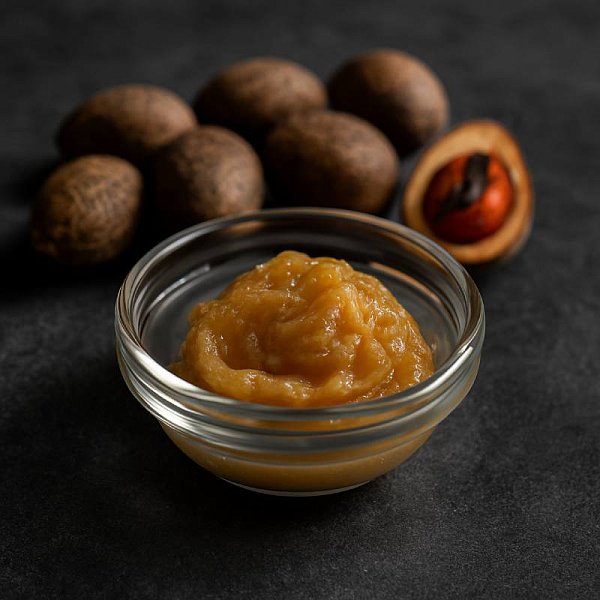
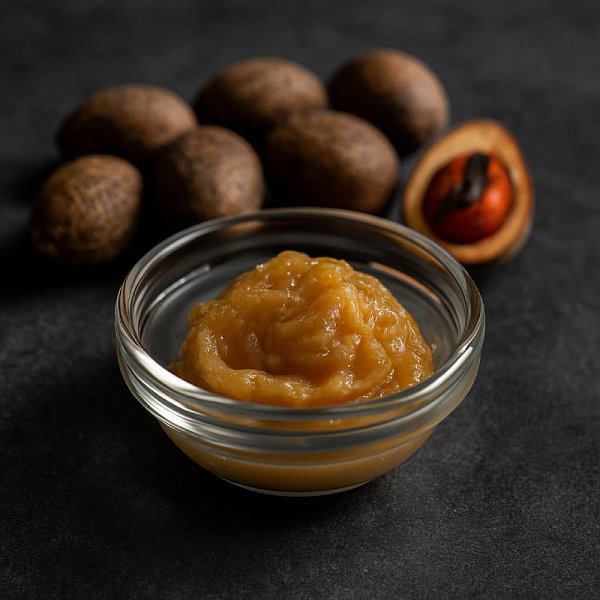
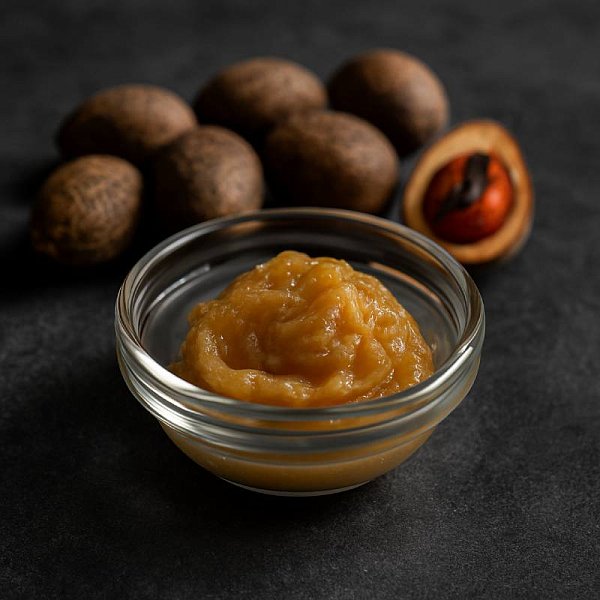
Kombo Butter offers formulators a refined solid fat with a light aroma of burnt caramel. This material suits cosmetic butters wholesale programs where consistent texture and neutral scent notes are required. Butters category pages list comparable options such as shea butter bulk and cocoa butter for side-by-side evaluation. The product is supplied as Kombo Butter 10 g in sealed containers suitable for laboratory sampling and small-batch trials.
Key specifications include full refinement, INCI name Pycnanthus angolensis, and a recommended usage level up to 20 percent in facial care and up to 100 percent in body care. Typical addition to limit aroma impact stays at or below 10 percent, most often around 5 percent.
Origin, Sourcing and Grade
Production occurs in France under controlled refining conditions that deliver a uniform solid fat. The grade is listed as refined, removing color bodies and odor compounds while preserving the core lipid profile. Buyers sourcing through cosmetic butters wholesale channels can request lot-specific documentation confirming origin and processing parameters.
Consistency across lots supports scale-up from pilot to commercial volumes. The refined process distinguishes this material from unprocessed alternatives and aligns with R&D requirements for predictable performance.
Functional Performance in Formulations
In cosmetic systems Kombo Butter contributes body and emolliency. It softens and nourishes dry skin, leaving a smooth after-feel without greasiness when used within recommended percentages. Formulators note good compatibility with mango butter and cocoa butter in balm and cream bases.
The material melts readily on skin contact, aiding spreadability in leave-on products. Its sensory profile remains subtle, allowing other ingredients to define the final fragrance direction.
Formulation Guidelines
Incorporate Kombo Butter at the oil phase stage during heating. For facial emulsions keep levels at or below 20 percent; body products may utilize the full 100 percent as the lipid component. When aroma masking is critical, stay near the 5 percent mark to maintain formulation balance.
Combine with liquid oils to adjust final viscosity. Pilot batches should evaluate compatibility with chosen emulsifiers and thickeners before larger runs.
Quality Control and Documentation
Each lot undergoes standard identity and purity checks appropriate for refined cosmetic lipids. Supporting paperwork includes specification sheets and origin statements. Purchasing managers can reference these documents during supplier qualification for cosmetic butters wholesale agreements.
Storage guidance calls for a cool, dark location inside a tightly closed container to preserve quality until the indicated best-before date.
Packaging Options and Lot Consistency
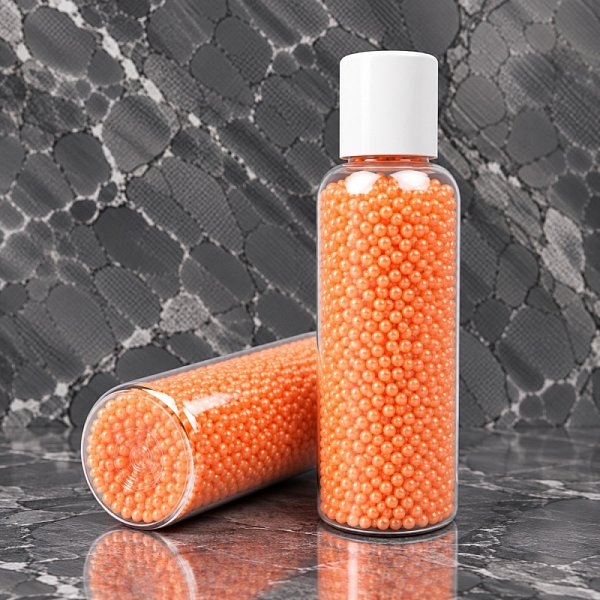
Small packs such as the 10 g unit facilitate initial evaluation. Larger volumes appear on the Kombo Butter 100 g detail page for scale-up needs. Lot-to-lot uniformity in melting behavior and color supports reproducible manufacturing outcomes.
Buyers interested in current stock status may review listings for the latest availability updates across the butters range.
FAQ
What melting behavior does Kombo Butter exhibit and how does it influence texture in finished products?
The refined butter melts on contact with skin, delivering a smooth, non-greasy application feel that contributes to emollient texture in creams and balms.
How should Kombo Butter be stored once the original container is opened?
Return the container to a cool, dark location and keep it tightly closed to maintain integrity of the lipid matrix over time.
How does the refined grade of Kombo Butter differ from an unrefined version in practical use?
Refining reduces color intensity and aroma strength while preserving the core functional lipids, resulting in a more neutral material suited to a wider range of fragrance-free formulas.
What fatty acid characteristics support the oxidative stability of Kombo Butter during formulation and storage?
The saturated lipid fraction typical of this refined butter helps limit oxidation, supporting shelf-life expectations when kept under recommended cool, dark conditions.