Why Coconut Oil Remains a Staple for Hair and Scalp Care Worldwide
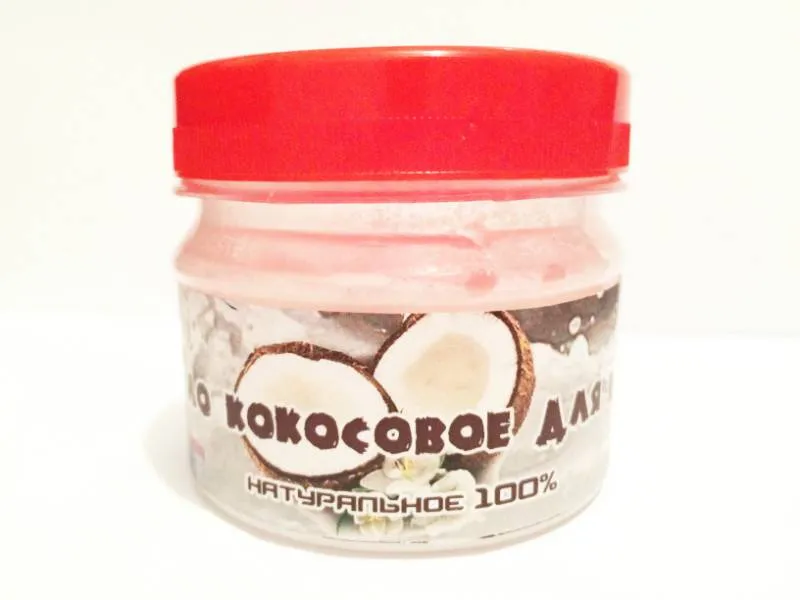
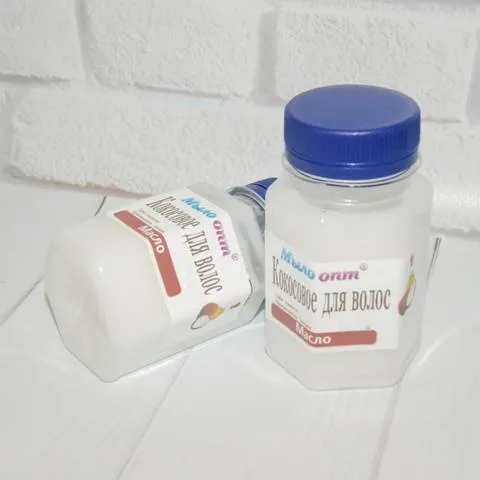
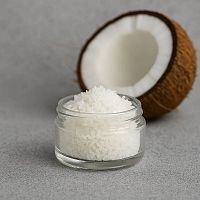
Coconut oil is one of the most searched and widely used plant fats across cosmetic, food, and household industries. At room temperature it stays solid and only turns liquid when gently warmed, which is why it belongs to the Butters category alongside other fats with similar texture and melting behavior. The 100 ml size is a practical choice for home formulators and small trial batches who want to test a new recipe before scaling production.
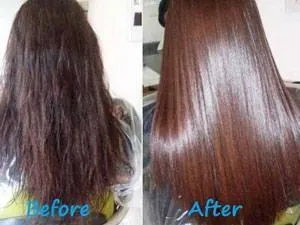
The leading global use of this oil is hair care. It appears in masks, leave-in treatments, hot oil wraps, split-end serums, and pre-shampoo conditioning oils. Its fatty acid profile allows it to penetrate the hair shaft rather than just coating the surface, which reduces protein loss during washing and combing and leaves strands noticeably softer and easier to detangle. Professional stylists frequently use it as a base for intensive repair treatments on damaged, colored, or heat-styled hair.
Beyond hair, the oil is heavily used in body butters, lip balms, massage blends, and after-sun products thanks to its skin-softening and light occlusive properties. In the food sector the same raw material is used for frying and baking, while in household manufacturing it serves as an ingredient for candles and wood or leather care products. This cross-industry demand explains why coconut oil consistently ranks among the top requested base fats worldwide, far beyond niche craft uses.
In formulations, coconut oil blends well with other butters. It is often paired with Mafura Butter to build a richer, more nourishing texture suited for overnight repair masks. For scalp-refreshing blends with a light exfoliating feel, formulators combine it with Brakshun Stone Oil, while a small amount of unrefined Coffee Butter is used in aromatic hand creams and balms to boost texture and add a warm coffee note.
In cold-process recipes the oil is added during the fat phase together with other solid ingredients, melted over a water bath at around 45-50 degrees Celsius to preserve its beneficial compounds. Typical usage rates in finished cosmetic products range from 5 to 30 percent depending on the formula type - light creams need only a small share, while intensive repair masks can use a higher concentration. Store the oil in a tightly sealed container, away from direct sunlight and heat sources, at a temperature not exceeding room level to keep it stable throughout its shelf life.
Overnight Repair Oil Blend for Dry Hair Ends
Coconut oil 40 ml
Mafura butter 12 g
Unrefined coffee butter 3 g
Rosemary essential oil 5 drops
Melt the coconut oil and mafura butter together in a water bath until fully liquid, remove from heat and let cool slightly, then stir in the coffee butter and rosemary essential oil until evenly combined. Apply the warm blend to dry or damp hair ends, leave on for at least one hour or overnight under a light wrap, then wash out thoroughly with shampoo.
FAQ
What is the comedogenic rating of Coconut Hair Oil 100 ml?
The rating is not listed in the product data.
What is the shelf life of Coconut Hair Oil 100 ml and how to detect rancidity?
The indicated date on the packaging is 10.2028. Store in a dry cool place in a tightly closed container away from light. Signs of rancidity can be checked by sensory evaluation or lab testing per the label instructions.
What is the minimum wholesale batch size for Coconut Hair Oil 100 ml?
Batch size details are not provided in the current description. Contact the supplier for wholesale pack options and minimum order quantities.
How compatible is Coconut Hair Oil 100 ml with other oils or actives?
Compatibility depends on the specific formulation. Review the INCI Coconut Oil and test in small batches using the 100 ml pack before scaling.