-
 Absolutes
-
 Active Complexes
-
 Actives & Peptides
-
 Amino Acids & Proteins
-
 Food Flavors
-
 Ayurvedic Ingredients & Herbs
-
 Vitamins & Coenzymes
-
 Chocolate Making Supplies
-
 Thickeners & Gelling Agents
-
 Hydrosols & Floral Waters
-
 Hydrolyzed Proteins
-
 Fragrance Ingredients
-
 Nutraceutical Ingredients
-
 Acids, Salts, Alcohols & Alkalis
-
 Preservatives & Antioxidants
-
 Cosmetic Ingredients
-
 Colorants, Micas & Glitters
-
 Masks, Scrubs & Botanicals
-
 Oils & Butters
-
 Candle Making Supplies
-
 Melt and Pour Soap Bases
-
 Cream, Lotion & Hair Care Bases
-
 Fragrance Oils & Industrial Aromatics
-
 Cleansing Agents & Surfactants
-
 Peeling Actives & Acids
-
 Cosmetic Powders
-
 Solvents & Humectants
-
 Silicones & Conditioning Agents
-
 Bottles, Jars & Vials
-
 Silicone & Plastic Molds, Tools
-
 Botanical Extracts
-
 Cosmetic Emollients
-
 Emulsifiers
-
 Essential Oils


Powdered Extracts and Algae
 Add to cart






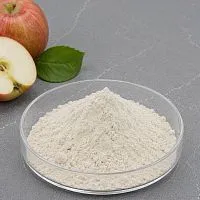
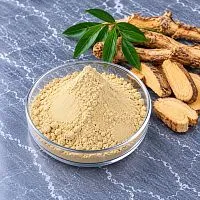
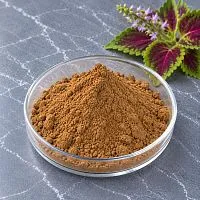
Why a powder form beats a liquid extract for some uses
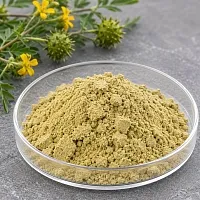
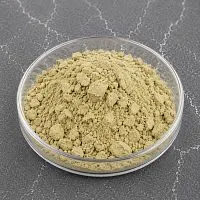
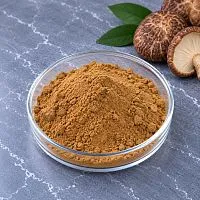
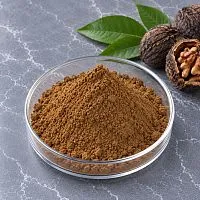
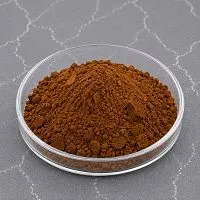
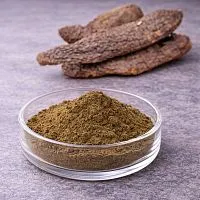
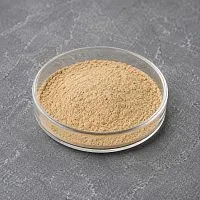
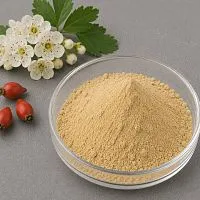
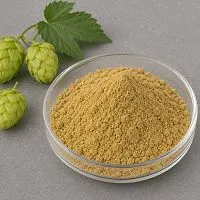
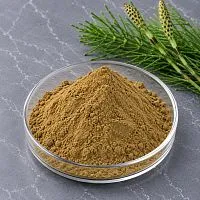
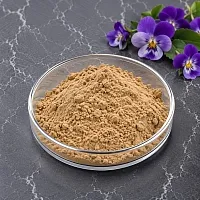
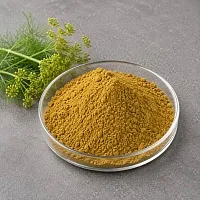
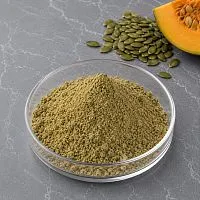
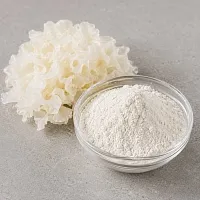
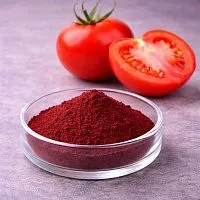
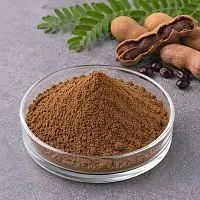
Powdered extracts and algae powders are plant and marine raw materials with water and solvent removed. This form stores more reliably than a liquid extract, needs no preservative in the raw material itself, and allows precise milligram level dosing of the active compound, something a liquid extract of the same plant cannot always match.
This section sits at the crossing point of several markets at once. Cosmetic formulators use these powders as active and texture building ingredients, food producers rely on them as natural colorants and flavor components, and supplement and functional food manufacturers see them as a concentrated plant source for capsules, tablets and powder blends. The same raw material, three separate industrial uses.
Marine algae as a category of its own
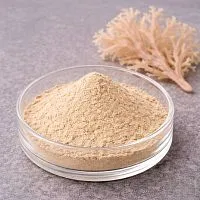
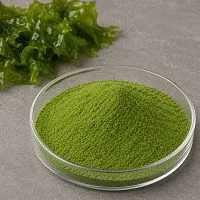
Ascophyllum Seaweed Extract, Ascophyllum Powder, Kelp Powder and Fucus Powder are traditionally valued for their natural iodine and mineral content. Functional food producers use these algae in capsules and powder blends, while cosmetic formulators favor them for mineral rich masks and body wraps.
Fruit and berry extracts for antioxidant formulas
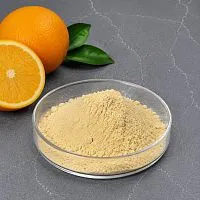
The berry and fruit line runs wide: Cranberry Extract Powder and Blueberry Extract Powder are known for natural antioxidant content, while Black Currant Extract Powder and Lemon Extract Powder are valued for vitamin C. The tropical line, Mango Extract Powder, Pineapple Extract Powder and Coconut Extract Powder, sees more use in cosmetic and flavor formulas, while Apple Extract Powder works equally well in both.
Specialised raw materials for narrow tasks
Green Coffee Extract Powder and Artichoke Extract Powder rank among the most recognisable items in the supplement industry: green coffee is a familiar staple of weight management formulas, while artichoke is a common ingredient in digestive support blends. Papain, a plant based proteolytic enzyme, is used both as a food supplement aiding protein digestion and in cosmetics for gentle exfoliation. Snail Secret Extract Powder stands apart, a narrowly cosmetic active with no food industry use.
Choosing an application and pairing ingredients
This section belongs to the broader Extracts category, which also covers liquid extracts for water or oil based formulas and concentrated extracts at a higher potency. For larger volumes of the same line, see the Powdered Extracts and Algae Wholesale section.
When choosing a specific extract, it helps to settle on the target industry first: cosmeceutical use calls for purity and emulsion compatibility, food use calls for solubility and flavor profile, and supplement use calls for standardisation against the active compound and batch documentation.
Storage
Store powdered extracts in tightly sealed packaging, in a dry space away from moisture and direct sunlight. Unlike liquid forms, powder is less sensitive to temperature swings but needs protection from air humidity, which causes clumping and loss of free flow.
FAQ
How does a powdered extract differ from a liquid one
A powdered extract contains no solvent, stores longer without a preservative, and allows more precise milligram level dosing of the active compound, which matters especially for supplement and capsule formulations.
Can these extracts be used for dietary supplement production
Yes, a large part of the range, including green coffee, artichoke, algae and berry extracts, is widely used in the functional food and dietary supplement industry, not just in cosmetics.
Which extracts are intended for cosmetics only
Snail secret extract has no food industry use and serves exclusively as a cosmetic active, unlike most other items in this section.
How should powdered extracts and algae powders be stored
In tightly sealed packaging, in a dry space away from moisture and direct sunlight. The powder form is sensitive to air humidity, which causes clumping.
Recommendations
When choosing a powdered extract, start by identifying the target industry, cosmetics, food production or dietary supplements, since this determines purity, solubility and batch documentation requirements. Mylo Opt has supplied powdered extracts and algae for formulations across industries for over twelve years. Place your order by email with the items you need.


