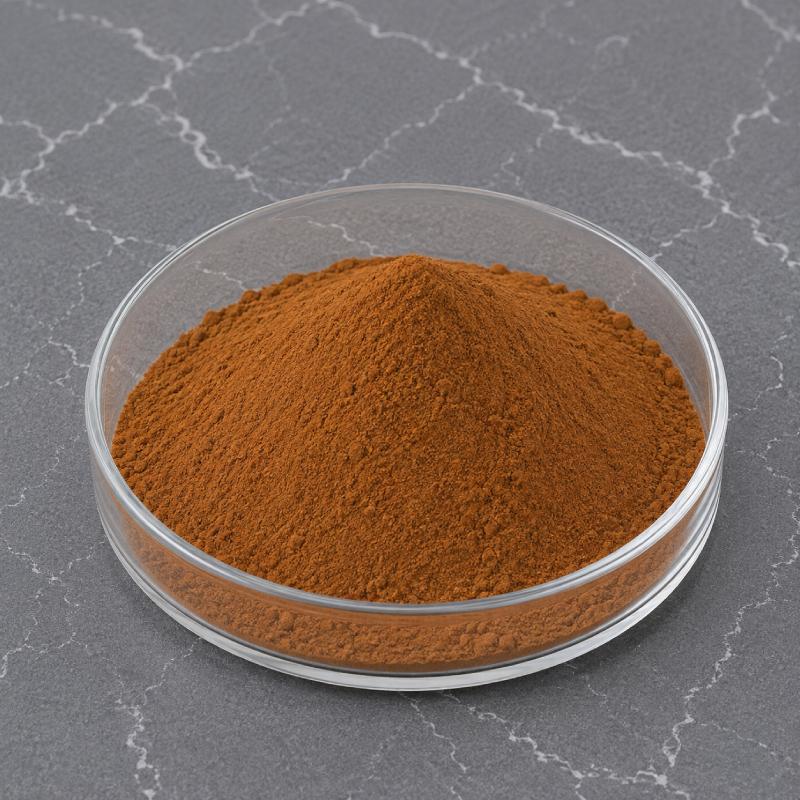
Sourcing and specifications of Cinnamon Bark Powder Extract
Produced in Germany, the fine powder carries INCI Cinnamon Bark Powder Extract (and) Maltodextrin and comes in 1 kg packaging. International buyers from supplement and food manufacturers value the consistent particle size and low moisture content. Powdered extracts and algae wholesale section lists this item among other botanical concentrates for B2B orders in large volumes.
Integration into dietary supplements and functional foods
Supplement producers incorporate the powder into capsules, tablets and dry blends. Food industry clients add it to confectionery, baked goods, sauces and beverage mixes as a botanical raw material. Cinnamon Extract Powder 5 g allows lab-scale testing before scaling to bulk quantities for factories worldwide.
Use in cosmetic laboratory formulations
Cosmetic labs include the extract in serums, creams, body wraps and hair masks. It pairs well with other plant powders such as chamomile or artichoke for balanced sensory profiles in emulsions and anhydrous blends across production lines.
Dosage guidelines and processing parameters
Input levels range from 1 to 4 %. Dissolve in the water phase up to 40-50 °C or add directly to masks and scrubs. Emulsions and gels take 1-1.5 %, toners and shampoos 1.5 %, body masks 1-3 %. Solubility is good in hot water and polysorbate-80 with possible slight sediment after cooling.
Example formulation for a body wrap
For a 500 g batch combine 10 g cinnamon extract powder, 300 g brown sugar, 150 ml base oil, 30 ml warm water and 10 g honey. Blend sugar with oil, dissolve the extract in water, then mix all components until uniform. Apply to warm skin with massage, leave 10 minutes and rinse. Prepare fresh portions and refrigerate up to two weeks for best results.
Storage recommendations
Keep in a cool dry place in sealed containers. Slight caking or organic sediment does not affect performance. Shelf life extends to December 2028. Extracts Wholesale provides similar formats for expanding manufacturer inventories.
Frequently asked questions
What is the recommended temperature for incorporation?
Never exceed 50 °C to preserve volatile aromatic compounds during processing steps.
Does the powder require filtration after dissolution?
Yes, light filtration removes any minor sediment before final filling of products.
Can it be used in anhydrous systems?
Yes, it disperses directly into oils, butters and dry blends without additional solvents in formulas.
Are bulk shipping documents provided?
Current documents for this product are listed in the «Documents» block of the product card.