Product Description
Sourcing and specification details
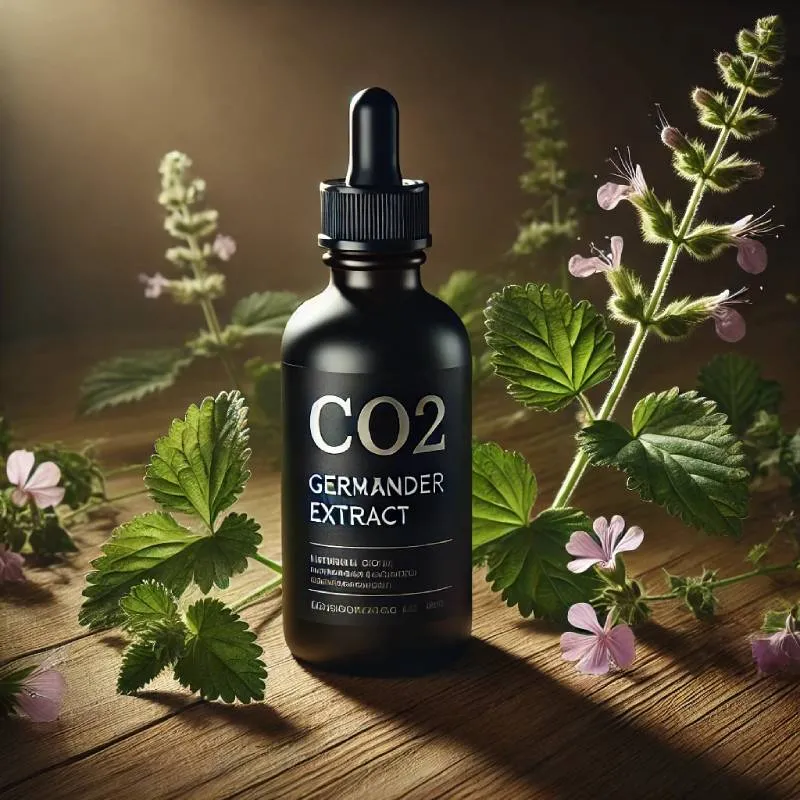
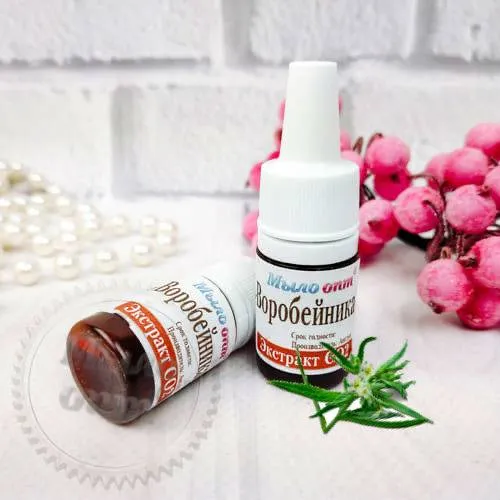
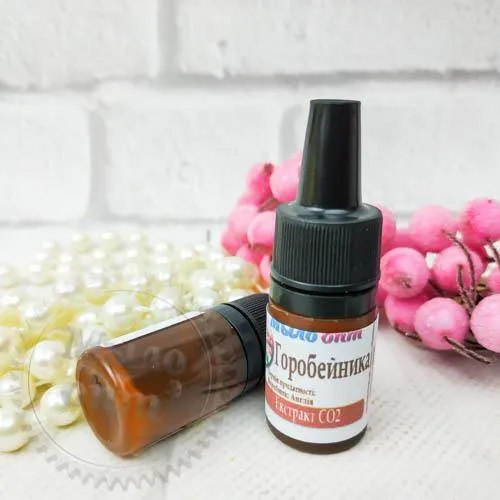
The CO2 extract comes from Lithospermum Erythrorhizon roots processed in England by supercritical fluid extraction with natural carbon dioxide. CO2 Extracts section presents concentrated botanical materials free of solvent residues. The five-gram pack serves small-batch testing and pilot runs for cosmetic labs and supplement producers. International buyers value the absence of heavy metals and solvent traces in this oily liquid form.
Technical parameters for formulation
The oily liquid is fat-soluble and added at the cooling stage below forty degrees Celsius. Input levels range from 0.5 percent in micellar waters to 1-1.5 percent in targeted skin products and 0.6-1 percent in body emulsions. Coltsfoot CO2 extract 1 kg supports scale-up for contract manufacturers. Hair and nail strengthening formulas use 0.5-1.5 percent while body lotions require 0.6-1 percent.
Role in dietary supplements and food production
International factories purchase the material as botanical raw ingredient for dietary supplements and functional foods. It is incorporated into beverages, confectionery bases and nutritional blends where permitted by local regulations. Private formulators also use small packs for custom projects. Botanical Extracts of this type find application across cosmetic and food industries worldwide.
Sample supplement blend formulation
Combine 1 percent extract with carrier oil, lecithin and glycerin to form a stable liquid premix. Add the premix at 0.8 percent into finished drink or capsule filler under gentle agitation below forty degrees to maintain activity. The same approach works for confectionery fillings and functional beverage bases.
Storage recommendations
Keep in tightly closed container in a cool dark place. Shelf life extends to December 2028. Minimize air exposure after opening to preserve the full profile of active components.
Compatibility notes
The extract integrates well with other CO2 materials in multi-component cosmetic bases and food flavor systems. It performs reliably across various emulsion types without additional stabilizers.
Frequently asked questions
What is the recommended temperature limit during addition?
Never exceed forty degrees Celsius to preserve heat-sensitive components.
Is the material suitable for food-grade applications?
Yes, it serves as botanical raw material in dietary supplements and confectionery.
Which packaging sizes are available for bulk buyers?
Larger volumes such as one kilogram are offered for industrial scale production.