Product Description
Sourcing and specification overview
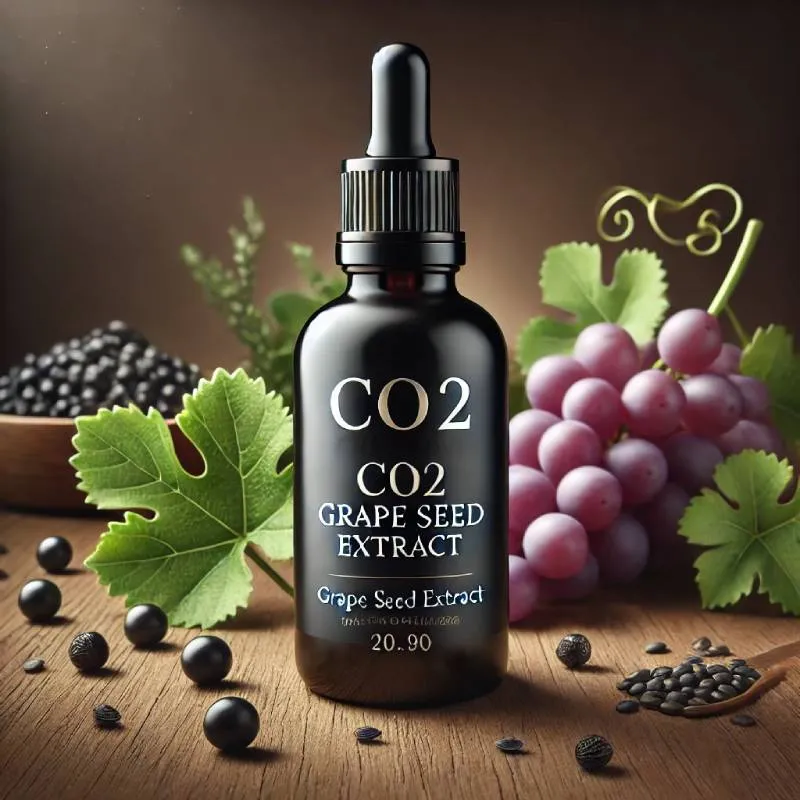
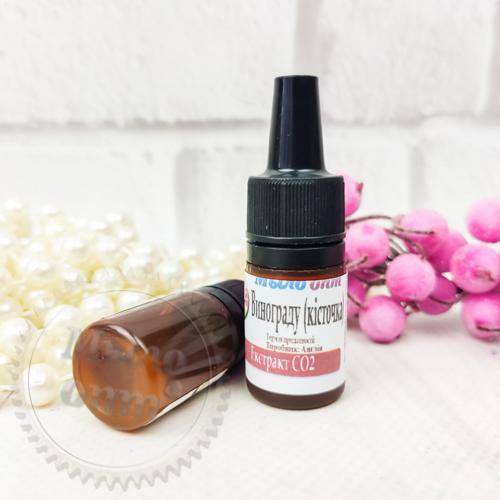
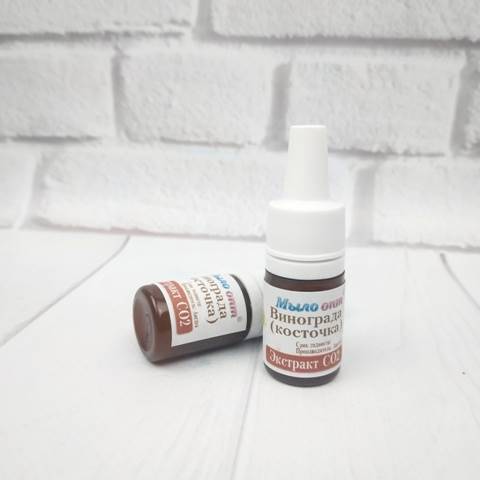
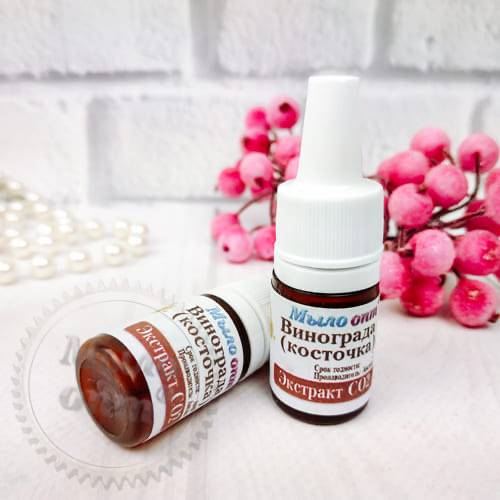
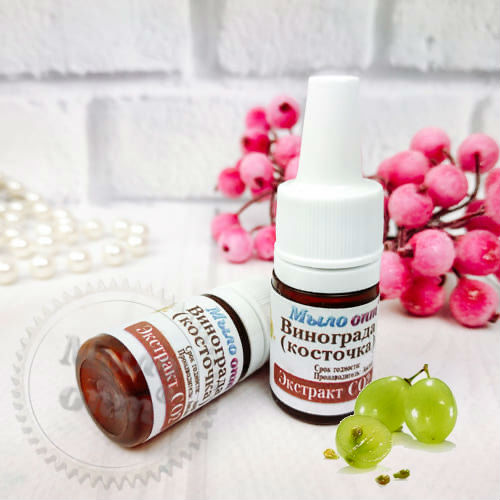
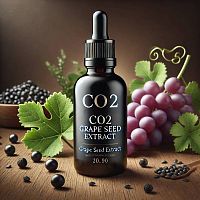
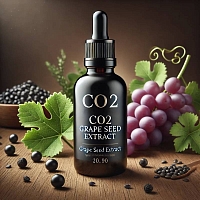
Grape seed CO2 extract from Vitis vinifera is produced in England via supercritical fluid extraction with natural carbon dioxide. The resulting waxy oily mass arrives in 100 g packaging and carries INCI designation Vitis vinifera CO2 Extract. International supplement and food manufacturers source this material for its solvent-free profile and consistent lipid content. CO2 Extracts Wholesale batches meet requirements of both laboratory and factory scale.
Technical parameters for formulation
The extract is fully fat-soluble and dosed at 0.01-2 percent into the lipid phase. It integrates into emulsions during the cooling stage below 50 degrees Celsius and into anhydrous systems after wax melting. Cosmetic labs and dietary supplement producers value its neutral behavior in high-temperature short-time processes.
Integration into cosmetic emulsions and anhydrous bases
Formulators add the extract to night creams, body balms and massage oils to enrich the lipid fraction. Compatibility extends to squalane, macadamia oil, shea butter and tocopherol. Large cosmetic contract manufacturers incorporate it into both retail and professional lines.
Example blend for dietary supplement capsules
A sample capsule premix contains 96 percent pumpkin seed powder, 3 percent grape seed CO2 extract and 1 percent mixed tocopherols. Ingredients are blended at ambient temperature and filled into vegetarian capsules. Finished material remains stable until December 2028 when stored cool and dark. Grape Seed CO2 Extract 5 g serves as convenient trial quantity for pilot batches.
Role in food industry and confectionery production
Food factories and confectioners purchase the extract as a botanical raw material for functional beverages, chocolate fillings and energy bars. Private formulators and wholesale buyers obtain both retail packs and larger volumes through Extracts Wholesale channels for product development.
Storage conditions and shelf life
Keep containers tightly closed in a cool dark environment. The declared shelf life extends to December 2028. Prior to scale-up, compatibility testing with other formula components is recommended.
Frequently asked questions
What is the recommended phase for addition in emulsions?
Add during the cooling phase after emulsification at temperatures below 50 degrees Celsius.
Is the extract suitable for beverage applications?
Yes, it is used as a botanical raw material in lipid-enriched drink bases.
Can the material be shipped internationally?
Yes, the 100 g packs are suitable for worldwide laboratory and production supply.
How to confirm batch uniformity?
Visual inspection after thorough mixing until inclusions disappear is sufficient.