Industrial sourcing and CO2 extraction details
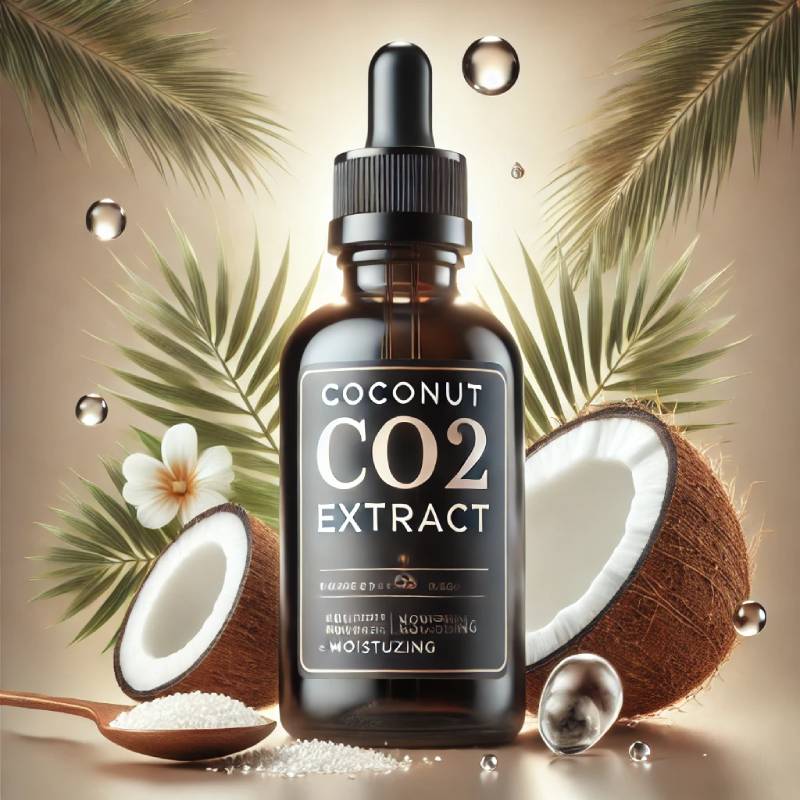
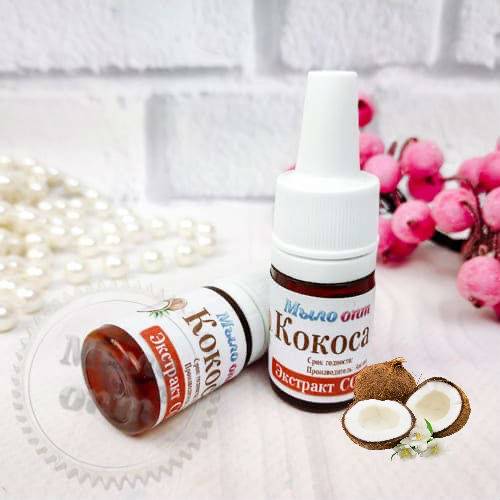
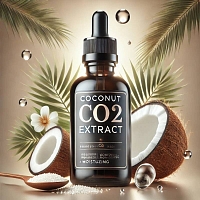
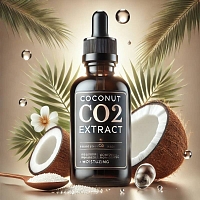
England-produced Coconut CO2 extract in the 100 g pack delivers a solvent-free lipid concentrate obtained through supercritical fluid extraction with natural carbon dioxide. International supplement manufacturers and cosmetic labs source this material for its batch-to-batch consistency in fatty acid composition. CO2 Extracts Wholesale buyers receive documented traceability from raw coconut flesh to finished oily liquid. The pale yellow fluid carries a mild nutty character that integrates without overpowering other ingredients in large-scale production.
Physical parameters and formulation compatibility
INCI designation Cocos nucifera L CO2 Extract confirms 100 % natural origin with no added carriers. Fat-soluble character allows direct addition to oil phases at 0.1-1 % concentration. No heavy metals or residual solvents remain after extraction, meeting requirements of dietary supplement producers and confectionery factories worldwide. The extract remains stable across temperature cycles typical of industrial mixing lines.
Integration in dietary supplement manufacturing
Producers of dietary supplements incorporate the extract as a botanical raw material in capsule blends, functional powders and liquid nutritional formulations. Its lauric and myristic acid content supports lipid-based delivery systems without introducing synthetic additives. Coconut CO2 extract 5 g serves as an economical pilot size for compatibility trials before committing to 100 g or bulk wholesale quantities. Food-grade status permits use in bars, beverages and confectionery coatings where natural coconut notes enhance flavor profiles.
Cosmetic emulsion and hair care applications
Formulators add the extract to body creams, lip balms, after-sun products and rinse-off hair masks. At the recommended percentage it contributes to emollient texture and supports moisture retention on skin and hair shafts. Introduction occurs after wax and oil melting at temperatures not exceeding 70 °C, followed by homogenization and cooling under continuous agitation to preserve volatile fractions. Extracts Wholesale volumes ensure consistent supply for ongoing production schedules.
Practical formulation example for hair conditioning cream
Shea butter 12 %, cocoa butter 8 %, vegetable emulsifier 4 %, glycerin 3 %, distilled water 70 %, Coconut CO2 extract 1 %, preservative 2 %. Melt butters and emulsifier together, heat water phase separately to matching temperature, combine and homogenize. Cool to 40 °C, disperse the extract into the mixture and fill into suitable containers. The resulting cream applies directly to scalp for conditioning without residue buildup.
Storage conditions and shelf life
Store sealed in original packaging away from light and heat sources. Product retains specified properties until December 2028 when kept in a cool dark environment.
Frequently asked questions
What packaging formats support scaling from lab to factory?
Start with 5 g or 100 g trial packs then transition to 1 kg wholesale units for continuous production.
Does the extract require special solubilizers in clear systems?
No additional solubilizers are needed when premixed with glycerin or oils prior to final dispersion.
Can it be used alongside other botanical CO2 extracts?
Yes, combinations with geranium or birch extracts allow customized aromatic and functional profiles in both supplements and cosmetics.
Is the material accepted for vegan and halal production lines?
Fully plant-derived origin satisfies vegan and halal certification requirements across global markets.