Product Description
Sourcing and specification profile
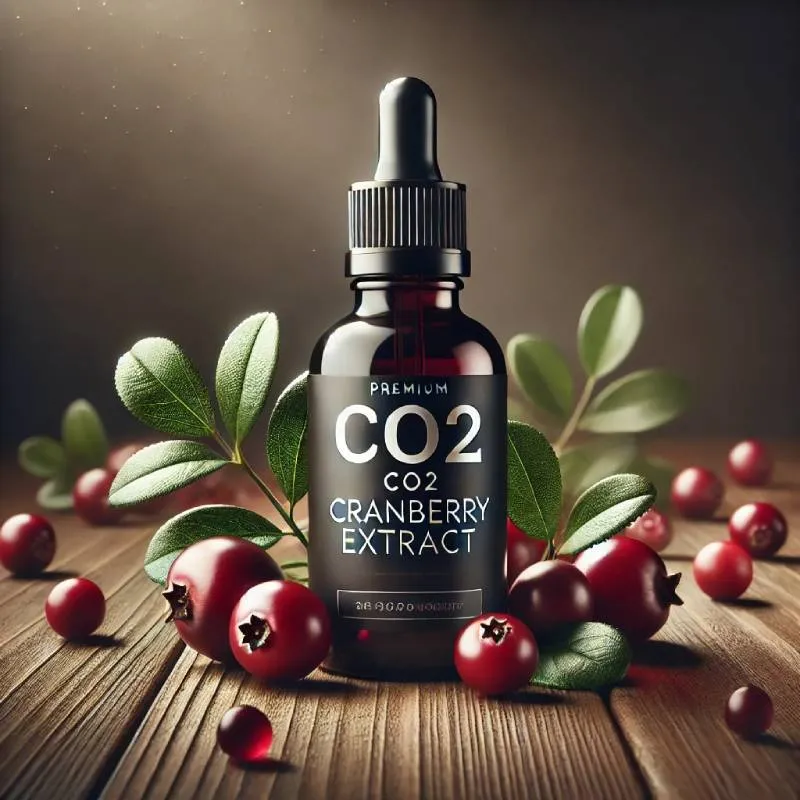
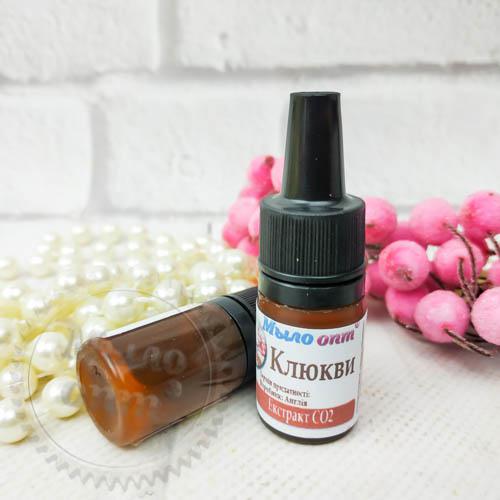
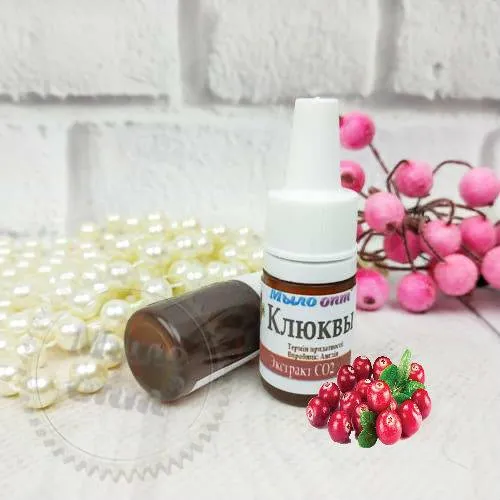
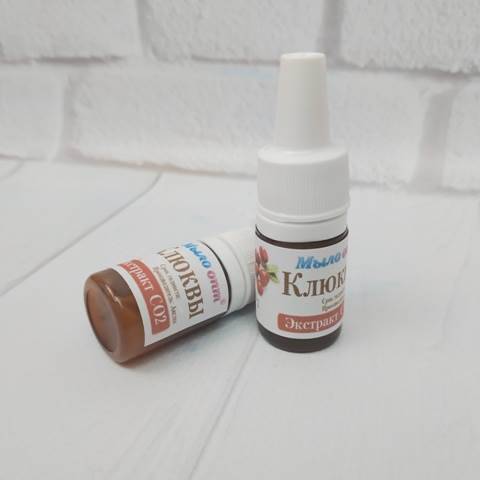
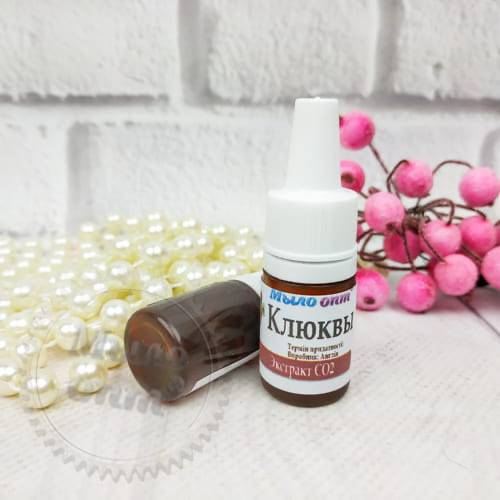
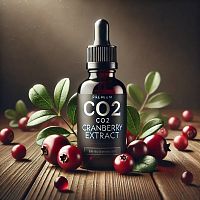
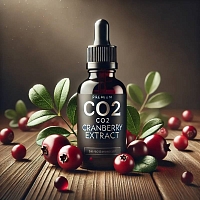
CO2 Cranberry Extract 5 g is produced in England by supercritical fluid extraction with natural carbon dioxide. The resulting oily liquid carries INCI Vaccinium oxycoccos L.CO2 Extract and contains no solvent residues. CO2 Extracts section lists comparable dense concentrates suited for scale-up from small packs. The 5 g size serves laboratories and pilot batches. Buyers value the absence of impurities for consistent batch performance.
Technical parameters for manufacturers
The fat-soluble ingredient is introduced at 0.2-2% in the active phase. It is added at the final stage below 40 °C after dispersion in the oil phase or emulsifier. CO2 Cranberry Extract 100 g supports transition to commercial volumes once the formulation is validated. The material maintains color and aroma stability across different production environments.
Integration in cosmetic laboratories
Contract manufacturers and formulators incorporate the concentrate into serums, lotions and masks for face and body. It supports even skin tone and provides antioxidant protection in daytime products while remaining compatible with other botanical extracts. Botanical Extracts from the range are frequently paired to achieve layered functional effects.
Role as raw material for dietary supplements and food production
Supplement and confectionery factories source the extract as a botanical ingredient for functional beverages, bars and nutritional blends. Private formulators and global plants use it in retail and wholesale quantities to deliver natural flavor and color compounds.
Example formulation for a scalp toner
A pilot batch contains 78% distilled water, 10% witch-hazel distillate, 8% glycerin, 3% solubilizer, 0.8% CO2 Cranberry Extract and 0.2% preservative. The extract is pre-dispersed in the solubilizer, then combined with the aqueous phase at room temperature and filled into spray bottles.
Storage guidelines
Keep the container tightly closed in a cool dark place. Activity remains stable until 12.2028 under these conditions.
Frequently asked questions
What is the recommended temperature limit during processing?
Processing temperature must stay below 40 °C to protect heat-sensitive compounds.
Is the extract suitable for direct water phase addition?
No, pre-dispersion in an oil phase or emulsifier is required before incorporation.
Can the material be used in both cosmetic and food applications?
Yes, it serves as food-grade raw material for supplement and confectionery manufacturers worldwide.