Product Description
Sourcing and specification details
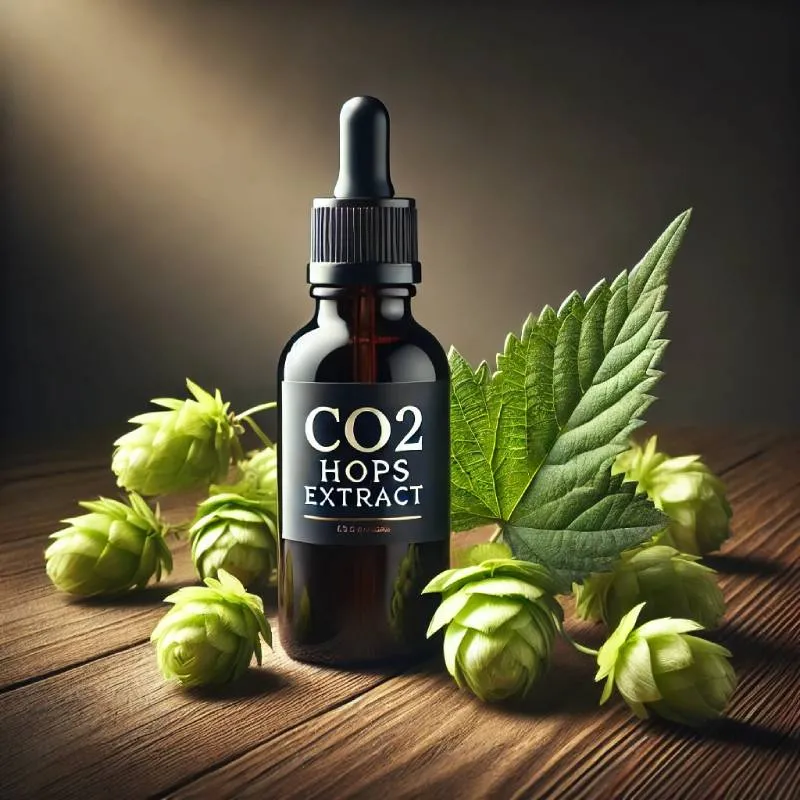
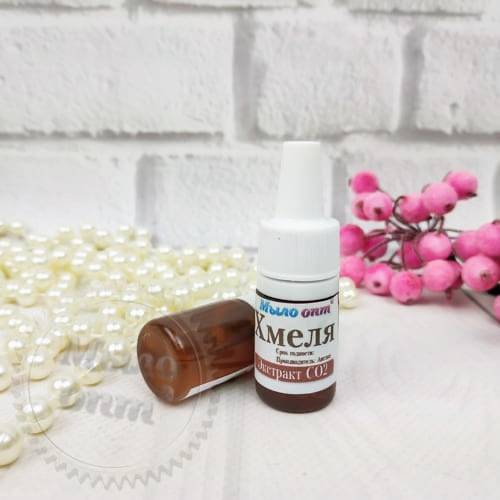
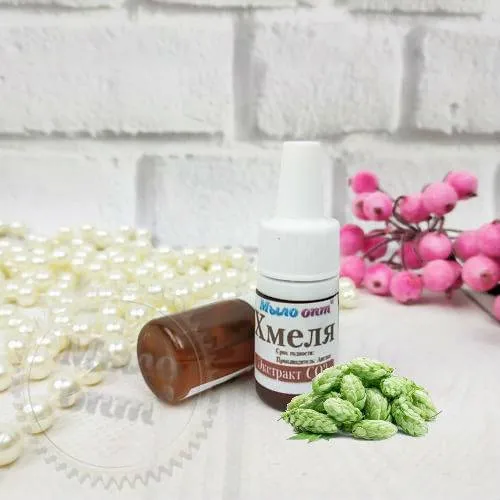
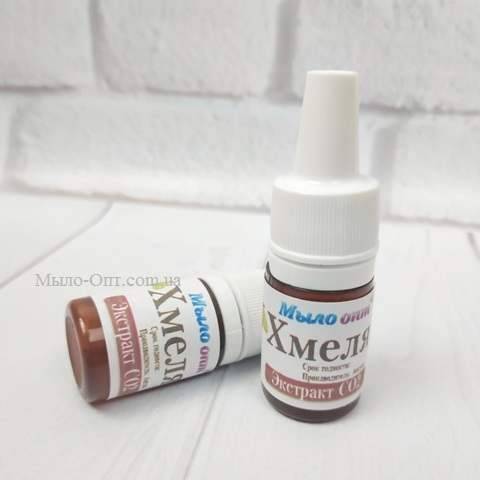
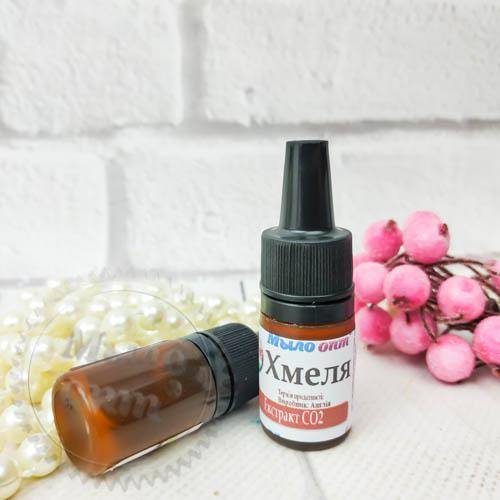
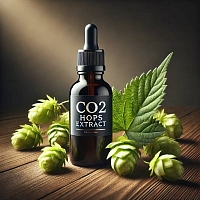
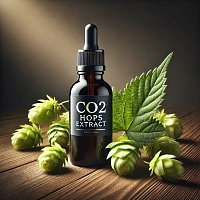
Hop CO2 Extract 1 kg is produced in England by supercritical fluid extraction with natural carbon dioxide. The result is an oily mass with waxy inclusions and a characteristic odor. INCI reads Hops (Humuli lupuli) CO2 Extract. CO2 Extracts Wholesale batches of this size serve cosmetic labs and supplement manufacturers who require consistent raw material volumes. The material arrives in transport-grade containers ready for immediate use on production lines.
Physical properties and formulation value
The extract is 100 % natural, solvent-free and fat-soluble. It integrates into emulsions and oil phases at temperatures up to 40 °C. Recommended input ranges from 0.01-2.5 % in the active phase or 0.5-2 % of finished product weight. International buyers value the standardized content of bitter acids and essential oils that remains intact throughout the extraction process.
Industrial applications across sectors
Cosmetic laboratories incorporate it into creams, serums and hair products. Supplement and food manufacturers purchase the same material for dietary supplement formulations and confectionery blends. Hop CO2 Extract 5 g allows pilot testing before scaling to bulk orders. Extracts Wholesale buyers worldwide source it for both retail and factory-scale production of functional foods and beverages.
Example supplement blend
Botanical carrier oil 95 %, Hop CO2 Extract 2 %, tocopherol 1 %, flavor oil 2 %. Blend the extract into the warmed carrier at 35 °C and package under nitrogen. This approach ensures even distribution and extended stability of volatile fractions.
Stability and handling
Store in tightly closed containers in a cool dark place. Shelf life extends to December 2028 under these conditions. Proper storage preserves the full profile of hop-derived compounds for consistent performance in every batch.
Additional considerations for buyers
The 1 kg format supports mid-scale manufacturing runs while remaining manageable for smaller cosmetic studios. Laboratories often combine the extract with other CO2 materials to create balanced sensory profiles in final products.
Frequently asked questions
What is the recommended dosage in food applications?
Typical usage is 0.5-2 % depending on desired intensity and local regulations for flavoring agents.
Is the extract suitable for clear beverages?
It disperses best in oil-based or emulsified systems; additional solubilizers may be required for clear formulas.
Which pack sizes are available for scale-up?
The 1 kg unit supports pilot and mid-scale production; smaller test quantities are offered separately.