What Makes Collagen Peptides a Cross-Industry Ingredient
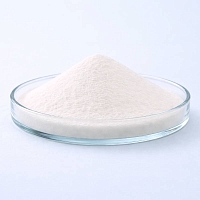
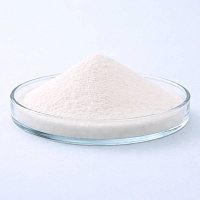
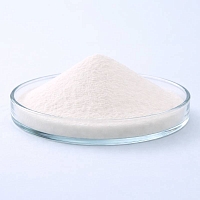
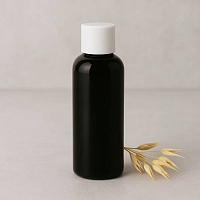
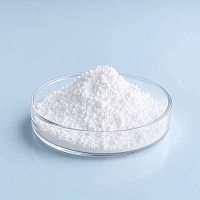
This 100 g pack of hydrolyzed collagen powder suits small-batch formulators and home crafters testing new recipes before scaling up production. It belongs to the Hydrolyzed Proteins category, which brings together water-soluble protein fractions used across food, pharmaceutical and personal care manufacturing. Globally, the strongest demand for hydrolyzed collagen comes from the food and nutraceutical sector, where it serves as a source of amino acids supporting connective tissue elasticity, followed closely by skincare and haircare applications. During hydrolysis, large collagen molecules break down into short peptides and free amino acids, which makes the material readily water-soluble and easy for the body to absorb whether taken orally or applied topically.
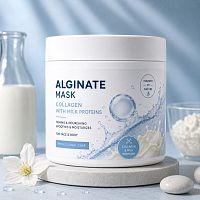
In food manufacturing, collagen peptides are added to protein drinks, bars, gummies and functional blends at dosages typically ranging from 5 to 15 grams per serving. The ingredient should be introduced at temperatures no higher than 40-45 degrees Celsius, since stronger heating breaks peptide bonds and reduces bioavailability. Pharmaceutical producers encapsulate the powder alone or combine it with vitamin C, hyaluronic acid and mineral complexes to support the tissue-firming claim. In cosmetic manufacturing, hydrolyzed collagen is introduced into serums, creams and hair masks at concentrations of 1 to 5 percent during the cooling stage, once the emulsion drops to around 35-40 degrees.
The powder blends well with other protein hydrolysates and plant extracts. For vegan-friendly formulas, it is often paired with Soy Protein Hydrolyzate, which contributes a plant-based amino acid profile and balances the formula without animal-derived material. For scalp and hair strengthening blends, collagen peptides are frequently combined with Garlic Hydrolysate, traditionally used to stimulate the scalp, as well as Beer Yeast Protein Hydrolysate, rich in B-group vitamins important for hair shaft growth.
In household chemistry, hydrolyzed collagen appears less frequently but is occasionally included in hand balms and conditioning formulas, where it forms a thin film on the skin surface and helps retain moisture. Store the powder in a dry place at room temperature, in a tightly sealed container, since the material is hygroscopic and tends to clump when exposed to humid air. Before use it is recommended to dissolve the required amount in a small volume of warm water or hydrolate first, then blend the solution into the main phase of the formula to avoid lumps and ensure even peptide distribution.
Overnight Repair Hair Mask with Collagen Peptides
Hydrolyzed collagen powder 5 g
Warm water 50 ml
Argan oil 10 ml
Panthenol 3 g
Fragrance oil 1 ml
Dissolve
the collagen powder in warm water at around 40 degrees Celsius, stirring until
no lumps remain. Add argan oil and panthenol, mix thoroughly until the texture
is smooth and slightly creamy, then add the fragrance oil last. Transfer the
finished mask into a jar with a tight lid and apply to damp hair before
bedtime, rinsing out in the morning.