Product Description
Sourcing and specification details
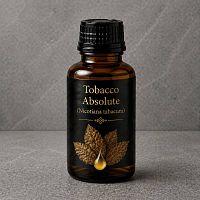
Tobacco CO2 Extract comes from Nicotiana tabacum L. leaves grown in Ukraine and processed by supercritical CO2 extraction into an oily mass packed in 5 grams. INCI name is Nicotiana tabacum. The composition features nicotine, alkaloids, flavonoids, tannins and fatty acids. CO2 Extracts section lists similar botanical materials for B2B buyers. Leaves undergo selection prior to processing to maintain consistent quality across batches for industrial use.
Technical parameters for manufacturers
Fat-soluble character determines addition to the oil phase at temperatures below 40 degrees Celsius. Recommended input level ranges from 0.01 to 2 percent. The material suits cosmetic emulsions, supplement premixes and food concentrates. Botanical Extracts are evaluated for compatibility with emulsifiers and carrier oils during formulation development.
Integration in cosmetic laboratory work
Laboratories incorporate the extract into serums and body balms to enhance texture and oxidative stability. It pairs well with carrier oils such as jojoba or avocado in masks and leave-on products. Formulators test small batches to verify performance under varying storage conditions before scaling production.
Example hair scalp formulation
Base emulsion 96 g, Tobacco CO2 Extract 0.8 g, argan oil 3 g, tocopherol 0.2 g. Blend at 38 degrees, homogenize and fill into amber containers for stability testing. This approach helps assess sensory properties and long-term consistency.
Role in dietary supplement and food production
International manufacturers source this extract as botanical raw material for dietary supplement premixes and functional food items including beverages and confectionery. Both wholesale and retail volumes serve factories and formulators worldwide. The 100 g pack supports pilot trials prior to larger orders.
Storage recommendations
Keep in closed original packaging in a cool dark place. Shelf life reaches at least two years until November 2028 when stored correctly.
Frequently asked questions
What is the solubility profile?
The extract dissolves in oils and requires emulsifiers for water-based systems.
Can it be used above 2 percent?
Formulators stay within the stated 0.01-2 percent range for safety and regulatory compliance.
Is it suitable for food-grade blends?
Yes, it serves as raw material in supplement and food industry formulations.
How to verify batch compatibility?
Run small-scale tests monitoring texture and stability over time under controlled conditions.