Sourcing and specification of Peach CO2 Extract
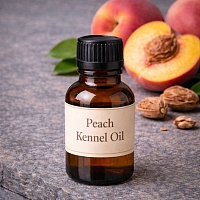
Peach CO2 Extract is obtained from Persica vulgaris Mill. fruits by supercritical CO2 extraction. The resulting oily mass is yellow with a slight yellowish-orange tint and contains carotenoids, essential oil, fatty oil and phytosterols. CO2 Extracts are supplied in transport packaging of 5 grams and produced in Ukraine. The process ensures high purity without residual solvents.
Key technical parameters for formulators
INCI name Persica vulgaris Mill. ensures global regulatory compliance. Solubility is limited to the oil phase, input percentage ranges from 0.2 to 2 percent. The material remains stable when added below 40 degrees Celsius. These characteristics help laboratories predict performance in complex emulsions.
Integration in cosmetic laboratory workflows
Cosmetic labs incorporate the extract into serums and body butters after the cooling stage. Peach CO2 Extract 1 kg allows scaling from pilot batches to full production runs. Formulators appreciate the consistent color and ease of blending.
Sample body butter formulation
Shea butter 45 percent, cocoa butter 20 percent, sweet almond oil 25 percent, extract 1.5 percent, tocopherol 0.5 percent, fragrance 0.5 percent, beeswax 7.5 percent. Blend butters and wax first, add oils and extract at 35 degrees, pour into jars. The result offers a rich yet spreadable texture.
Role as botanical raw material for supplements and food
Supplement manufacturers use the extract in capsule blends and functional powders. Food factories add it to confectionery fillings and dry mixes. Private formulators and international buyers source both retail and wholesale quantities for recipe development. Botanical Extracts category provides options for similar materials from other plants.
Storage conditions and shelf life
Keep in closed containers in a cool, light-protected place. Shelf life is at least two years, best before date November 2028.
Frequently asked questions
Is the extract suitable for water-based systems?
No, solubility is oil-only, therefore it must be added to the oil or emulsion phase only.
What is the visual appearance of the material?
Oily yellow mass with a slight yellowish-orange tint that may impart a soft hue to light-colored bases.
Can it be used in dietary supplement production?
Yes, as botanical raw material for dietary supplements and functional food.