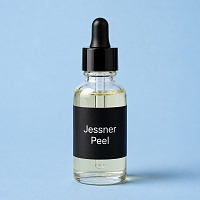
Why professional studios keep this classic exfoliating formula on hand
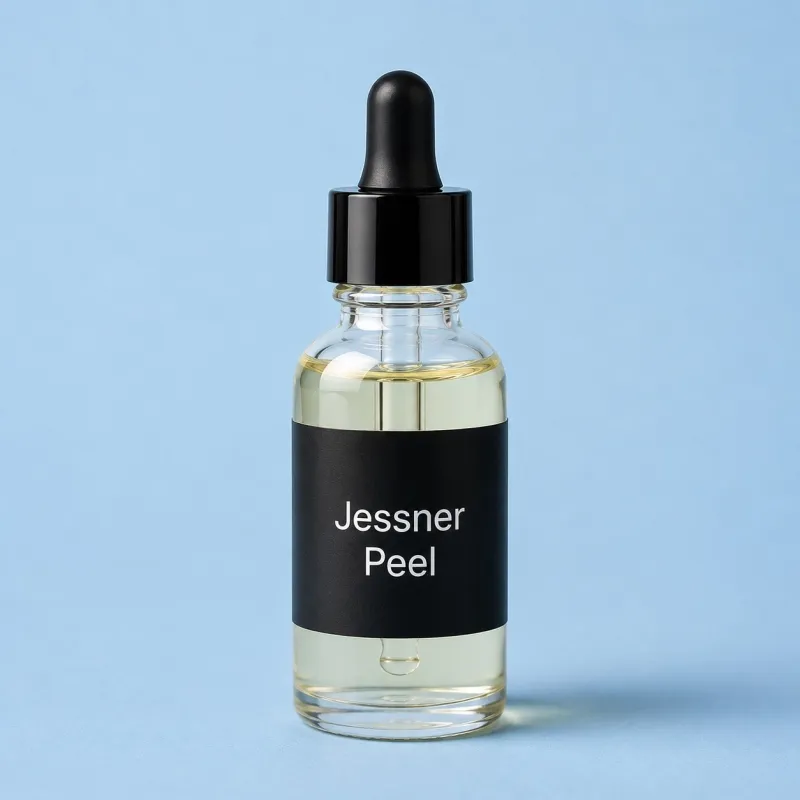
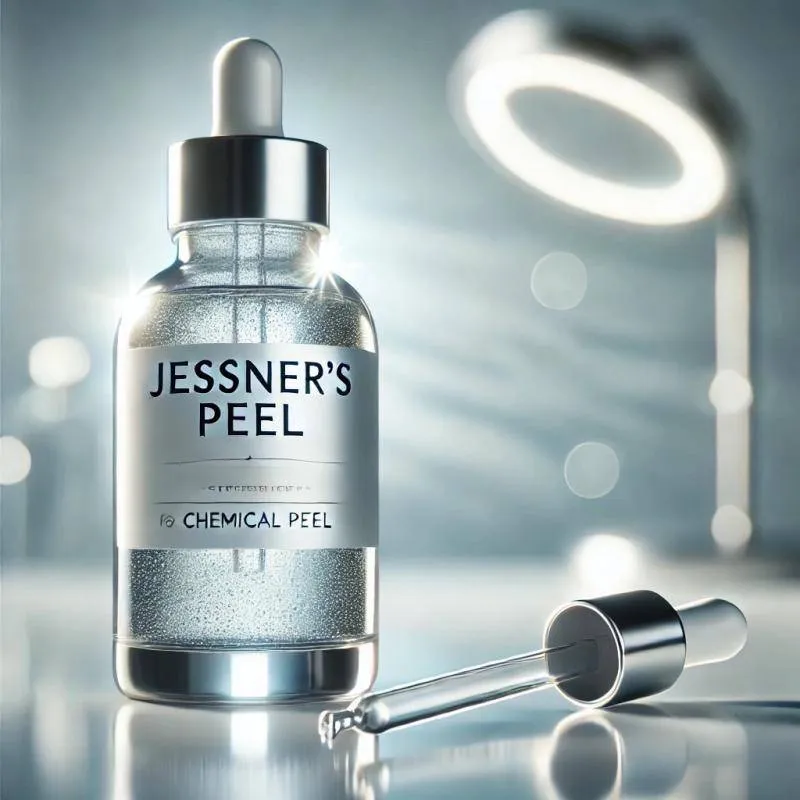
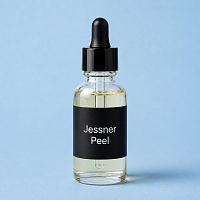
Jessner Peel in a 10 ml bottle is a small, trial-friendly packaging of a time-tested chemical formula widely used in professional skincare studios and aesthetic clinics for addressing texture irregularities, post-acne marks, pigmentation and early signs of skin aging. This product belongs to the Peelings for Skin category and is typically chosen by practitioners who want to test a new protocol on a limited number of clients or by small studios that do not yet need a larger concentrate supply.
The main field of use for this composition is professional cosmetology and aesthetic medicine, where the peel is applied as a medium-depth treatment that stimulates epidermal renewal through a combination of acid components and phenolic compounds. Compared to superficial acid peels, this formula delivers a noticeably stronger exfoliating action, which is why it is mainly handled by specialists familiar with layered application protocols and depth control techniques. Its ongoing popularity comes from versatility — the formula performs well on oily skin with enlarged pores as well as on skin showing signs of photoaging and uneven tone.
Working with this concentrate requires attention to layering: the solution is applied in a thin, even coat using a brush or cotton applicator, with the number of layers adjusted individually from one to five depending on the desired depth and the client's skin type. Between layers, practitioners pause briefly to observe the reaction — the appearance of a light frosting effect on the skin serves as a visual indicator of penetration depth. The procedure is performed at room temperature without preheating the solution, and the skin is cleansed and degreased beforehand.
In professional practice, Jessner Peel is often combined within multi-step protocols alongside other acid-based products. For gentle preparation or maintenance sessions between medium-depth treatments, practitioners frequently use Glycolic Peel G25 25%, which conditions the stratum corneum and improves skin receptiveness for deeper interventions later on. For clients with sensitive or reactive skin, or as a finishing step after more aggressive procedures, Enzyme Peel works well thanks to its gentler action without pronounced flaking. For targeted correction of problem areas with enlarged pores and comedones, many specialists rely on Salicylic-Glycolic Peeling, which complements the main formula on zones with increased sebaceous activity.
The concentrate should be stored in a tightly sealed glass container, in a cool, dark place away from open flame and direct sunlight, since the base of the formula contains ethanol, which increases volatility and flammability. Once opened, the bottle should be used within a reasonable timeframe to avoid prolonged air exposure that could reduce component activity. A single procedure usually requires only a few milliliters, which is why the 10 ml size is well suited for several test sessions or demonstration treatments before ordering a larger volume.
Post-peel calming recovery mask
Aloe vera gel 20 g
Panthenol 5 g
Niacinamide 3 g
Distilled water 10 g
Jojoba oil 2 g
Combine the aloe vera gel with distilled water until smooth, then gradually add panthenol and niacinamide, stirring thoroughly until fully dissolved. Finish by blending in the jojoba oil until the texture becomes light and uniform. Apply the mask in a thin layer immediately after the medium-depth peel procedure, leave on for 15-20 minutes, and remove with a damp cloth without rinsing off the residue, allowing the skin to benefit fully from the soothing ingredients.