-
 Absolutes
-
 Active Complexes
-
 Actives & Peptides
-
 Amino Acids & Proteins
-
 Food Flavors
-
 Ayurvedic Ingredients & Herbs
-
 Vitamins & Coenzymes
-
 Chocolate Making Supplies
-
 Thickeners & Gelling Agents
-
 Hydrosols & Floral Waters
-
 Hydrolyzed Proteins
-
 Fragrance Ingredients
-
 Nutraceutical Ingredients
-
 Acids, Salts, Alcohols & Alkalis
-
 Preservatives & Antioxidants
-
 Cosmetic Ingredients
-
 Colorants, Micas & Glitters
-
 Masks, Scrubs & Botanicals
-
 Oils & Butters
-
 Candle Making Supplies
-
 Melt and Pour Soap Bases
-
 Cream, Lotion & Hair Care Bases
-
 Fragrance Oils & Industrial Aromatics
-
 Cleansing Agents & Surfactants
-
 Peeling Actives & Acids
-
 Cosmetic Powders
-
 Solvents & Humectants
-
 Silicones & Conditioning Agents
-
 Bottles, Jars & Vials
-
 Silicone & Plastic Molds, Tools
-
 Botanical Extracts
-
 Cosmetic Emollients
-
 Emulsifiers
-
 Essential Oils


Base Oil Blends

 Add to cart

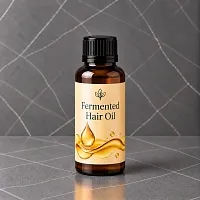


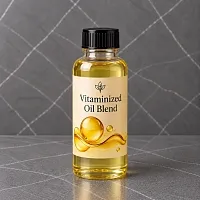


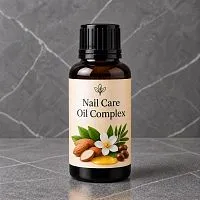


Ready-made oil blends for faster formulation work
Blended base oils are combinations of two or more carrier oils premixed to deliver a specific texture, absorption rate or fatty acid profile in one bottle. Instead of weighing out several individual oils for every batch, formulators can pull a single pre-balanced blend that already accounts for how the oils behave together on skin and in emulsions. This section covers ready mixed carrier oil compositions sold in bulk for cosmetic manufacturing.
These blends work as the fatty phase in creams, balms, serums, body oils and massage oil bases, where a manufacturer needs a specific finish, such as fast absorption or a richer, more cushioned feel, without formulating the ratio from scratch each time. They also serve as a practical starting point for anhydrous products and pre-treatment oils used before other steps in a routine. For formulators who prefer working with the individual components instead, the same oils are available separately as butters and liquid basic oils, which makes it easy to compare a blend against its source oils before committing a full batch.
Types of blends and how they differ
Some blends are formulated as fast absorbing finishing oils meant to sit on top of a cream or serve as the last step of a routine, while others are built as richer, more cushioned bases meant to carry active ingredients through a longer wear time. A blend labeled for problem skin typically leans on lighter, astringent leaning oils, while a nourishing or vitamin rich mix leans toward heavier, occlusive components. The Anti Acne Oil Blend 20 g is built around a lighter, purifying profile, whereas the Rich Oil Blend 20 g and the Nourishing Oil Blend 20 g sit at the richer end of the range.
There are also purpose built compositions aimed at a specific body area or condition rather than a general skin type. A complex designed for nails behaves differently from one meant for after sun care, since the first needs to penetrate a dense keratin surface and the second needs to calm and replenish a larger area of compromised skin barrier. This is why the category holds both small format concentrates and larger volume body oils side by side.
Choosing a blend and pairing it in a formula
Selection usually starts with the finish a formulator wants on skin: a matte, quickly absorbed feel points toward lighter blends, while a cushioned, slower release feel points toward the richer compositions. The intended use area matters just as much, since a blend meant for the face carries different weight and spreadability expectations than one meant for the body or nails.
These blends are typically combined with emulsifiers, active complexes and film forming agents in the finished formula rather than used as a standalone product, functioning as the fatty phase that carries the rest of the composition. For manufacturers who want to fine tune the fatty acid profile themselves, the individual carrier oils behind these blends are listed separately in Oils, batters, macerates, oil mixtures wholesale, and lighter, less occlusive alternatives can be found among Water Soluble Oils when a formula calls for a non greasy carrier instead.
Sourcing and storage
Stock in this section comes from suppliers in the United States, France and Germany, reflecting the range of oil sourcing behind each blend. Because these are premixed compositions of natural oils, they should be kept away from direct light and heat to preserve their fatty acid balance and extend shelf life.
Formulators working across several finished formats can compare how a blend performs against a targeted complex, such as the Natural Oil Complex for Nail 5 ml or the Problem Skin Care Oil Complex 30 ml, before deciding which base carries an active ingredient best. A body oriented option like the After Sun Body Oil 50 ml shows how the same blending logic scales up from a small facial format to a larger body care volume.
FAQ
What is the difference between a blended oil and a single carrier oil?
A blended oil is a premixed combination of two or more carrier oils formulated to give a specific texture, spreadability or absorption rate, while a single carrier oil offers only its own natural profile. Blends save formulation time and reduce batch-to-batch weighing errors.
How should blended base oils be stored before use?
Keep blends in a cool, dark place away from direct heat and sunlight, ideally below room temperature, and keep containers tightly closed. Oxidation shortens shelf life faster than in single oils, so stock rotation and airtight storage matter more with blends.
Can blended oils be used together with butters and liquid basic oils in the same formula?
Yes, blends are commonly combined with butters or single liquid oils to fine-tune the final texture, adding richness or lightening absorption as needed. Many formulators test a blend against its source oils first to confirm the ratio suits the finished product.
What determines the shelf life of a ready mixed oil blend?
Shelf life depends on the oxidative stability of each oil in the mix, since blends with more unsaturated oils tend to turn faster than those built on more stable bases. Storage conditions and whether an antioxidant is included also affect how long a blend stays usable.
Recommendations
Choosing the right blend starts with matching its absorption rate and fatty acid balance to the finished product, whether that is a light facial serum, a richer body balm or a massage oil base. Compare a candidate blend against its individual source oils before committing to a full batch, and check that the texture holds up in your specific emulsion or anhydrous system. For batch quantities, exact composition ratios or help matching a blend to your formulation, reach out by email and our team will confirm availability and packing options.


