Worldwide delivery  |  Free delivery in all Ukraine from 1899 UAH
Product catalog
Master classes, recipes, tips
AMIGEL rheology guide: Sclerotium Gum in gels emulsions and suspensions
A comprehensive technical formulation guide dedicated to managing rheology in cosmetics using the natural polysaccharide AMIGEL (Sclerotium Gum). This article explores the physical mechanisms of polymer hydration and network formation for structuring clear gels, light emulsions, and particle-suspending fluids. It covers pre-dispersion in polyols, electrolyte stability, shear rate handling, incompatibility limits, thermal limits, and precise pH controls. Features three complete DIY recipes with step-by-step compounding instructions and cold storage standards.
Natpure Film AP: natural film-forming technology for skin color cosmetics and hair
A comprehensive technical formulation guide dedicated to utilizing the bio-based film former Natpure Film AP (derived from sugar cane) in color cosmetics and hair care. This article breaks down the physical mechanics of flexible film creation, moisture resistance, and pigment adhesion enhancement. It covers aqueous dissolution protocols, compatibility with natural polymers and gums, thermal boundaries, and precise pH controls. Features three complete DIY recipes with step-by-step compounding instructions and storage standards.
ViableCare LipoCare 8: integrating a liposomal ceramide complex into barrier-care formulas
A comprehensive technical formulation guide to designing skin barrier restoration creams and liposomal fluids using ViableCare LipoCare 8. This article breaks down the physiological mechanism of ceramide integration into stratum corneum lipids to stop transepidermal water loss. It details exact processing protocols to protect liposomal structures, low-shear cooling phase entry below thirty degrees Celsius, emulsifier compatibility, and pH boundaries. Features three complete DIY recipes with step-by-step compounding instructions and cold storage standards.
Product Description

Acetanisole: A Versatile Fragrance Ingredient in Cosmetics

Acetanisole, also known as p-Methoxyacetophenone, is a synthetic aromatic compound with a distinctive, sweet, and slightly balsamic odor reminiscent of hawthorn, lilac, and mimosa. It plays a significant role in the fragrance industry, adding depth and complexity to various cosmetic formulations.

Why Consider Acetanisole for Cosmetics?

  • Unique Aromatic Profile: Acetanisole possesses a characteristic sweet and balsamic aroma that adds a unique touch to fragrance compositions.
  • Versatility: It blends well with a wide range of other fragrance ingredients, including floral, woody, and fruity notes.
  • Fixative Properties: Acetanisole can act as a fixative, helping to prolong the longevity of other fragrance components in a formulation.
  • Low Irritation Potential: Generally considered to have low irritation potential when used in appropriate concentrations.

Applications of Acetanisole in Cosmetics:

Acetanisole finds widespread application in a variety of cosmetic products:

  • Perfumery: It is a key ingredient in many perfumes, colognes, and eaux de toilette, contributing to the overall fragrance profile and enhancing the longevity of the scent.
  • Fine Fragrances: Used in high-end perfumes to create sophisticated and nuanced fragrance accords.
  • Body Care Products: Incorporated into lotions, creams, body oils, and bath products to provide a subtle and lasting fragrance.
  • Hair Care Products: Used in shampoos, conditioners, and hair sprays to impart a pleasant scent.
  • Soaps and Cleansers: Added to enhance the aroma of soaps and cleansing products.

Detailed Breakdown of Cosmetic Applications:

  • Perfumery: Acetanisole is often used as a base note in perfumery, providing a warm, balsamic foundation that supports and enhances other fragrance notes. It is particularly well-suited for floral and woody fragrances, adding depth and complexity.
  • Fine Fragrances: Due to its unique and sophisticated aroma, acetanisole is frequently used in niche and luxury perfumes to create distinctive and memorable fragrance experiences.
  • Body Care Products: It can be incorporated into lotions, creams, and body oils to provide a subtle and long-lasting fragrance that lingers on the skin.
  • Hair Care Products: Acetanisole can be added to shampoos, conditioners, and hair sprays to impart a pleasant and subtle fragrance to the hair.
  • Soaps and Cleansers: It can be used to enhance the aroma of soaps, shower gels, and other cleansing products, leaving a subtle and refreshing scent on the skin.

Cosmetic Recipe: Simple Hand Cream with Acetanisole

  • Ingredients:

    • Shea Butter: 50%
    • Coconut Oil: 30%
    • Sweet Almond Oil: 15%
    • Acetanisole: 0.5%
    • Vitamin E Oil: 0.5%
  • Instructions:

    1. Gently melt the shea butter and coconut oil in a double boiler.
    2. Remove from heat and let the mixture cool slightly.
    3. Add the sweet almond oil, acetanisole, and vitamin E oil.
    4. Stir well until all ingredients are thoroughly combined.
    5. Pour the cream into a clean container and allow it to cool completely.

Recommendations for Use:

  • Use in Small Amounts: Acetanisole is a potent ingredient, so use it sparingly. Start with a small amount (around 0.1-0.5%) and gradually increase if needed.
  • Compatibility Testing: Always test the compatibility of acetanisole with other ingredients in your formulation before large-scale production.
  • Safety Precautions: Handle with care and avoid contact with eyes and mucous membranes. Wear appropriate protective gear, such as gloves and safety glasses, when handling.
  • Storage: Store in a cool, dry, and dark place in a tightly sealed container.
  • Regulatory Compliance: Ensure that the use of acetanisole complies with all relevant cosmetic regulations in your target markets.

Worldwide Delivery: We deliver worldwide.

Characteristics:
INCI 1-(4-Methoxyphenyl)-ethanone
Other
Application Perfumery: Creation of sweet, vanilla-balsamic aromas. Fixer and enhancer of base notes in perfumes and aromatic mixtures. Cosmetics: Aromatization of creams, lotions and balms. Used in the production of soap and shampoos to impart a pleasant smell. Food industry: Flavoring agent for confectionery, baked goods and desserts (in limited doses). Used in flavoring drinks. Pharmaceuticals: Auxiliary substance for masking unpleasant odors in medicinal products. Used in syrups and mixtures.
Att brand Germany
Color product Colorless or light yellow
Features All information presented on the site is for reference only
Input percentage 0.1% – 1% in perfumes and cosmetics depending on the desired intensity of the aroma.
Minimum count 1
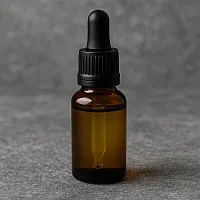
Name Acetanisole, 5 g
Packaging container for transportation
Packing 5 g
Properties Acetanizole is widely used in perfumery and cosmetics due to its subtle sweet aroma, reminiscent of vanilla. This substance is also valued in the food and pharmaceutical industries as an effective flavoring agent and odor masker. Its solubility in alcohols makes it a universal component for liquid and solid products.
Purpose It is used as a flavoring agent to impart a sweet vanilla-balsamic aroma to products. It is used in the production of perfumes, lotions and creams. It is involved in the creation of persistent base notes in perfume compositions.
Solubility Well soluble in alcohols and organic solvents (ethanol, ether)
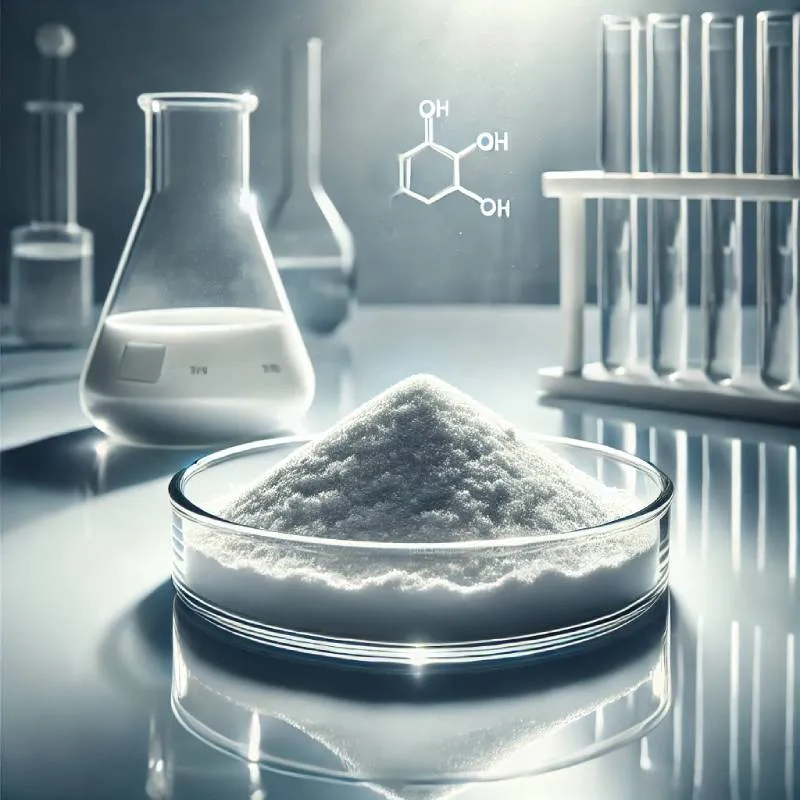
View Colorless or light yellow crystals
Valid until 08.2028
Add a review
Your score:
Send feedback
Error

Close window
Product added to cart
Total:
Request the price of the product
Fill in the details for the price request
Request a price Request a price