Worldwide delivery  |  Free delivery in all Ukraine from 1899 UAH
Product catalog
Master classes, recipes, tips
AMIGEL rheology guide: Sclerotium Gum in gels emulsions and suspensions
A comprehensive technical formulation guide dedicated to managing rheology in cosmetics using the natural polysaccharide AMIGEL (Sclerotium Gum). This article explores the physical mechanisms of polymer hydration and network formation for structuring clear gels, light emulsions, and particle-suspending fluids. It covers pre-dispersion in polyols, electrolyte stability, shear rate handling, incompatibility limits, thermal limits, and precise pH controls. Features three complete DIY recipes with step-by-step compounding instructions and cold storage standards.
Natpure Film AP: natural film-forming technology for skin color cosmetics and hair
A comprehensive technical formulation guide dedicated to utilizing the bio-based film former Natpure Film AP (derived from sugar cane) in color cosmetics and hair care. This article breaks down the physical mechanics of flexible film creation, moisture resistance, and pigment adhesion enhancement. It covers aqueous dissolution protocols, compatibility with natural polymers and gums, thermal boundaries, and precise pH controls. Features three complete DIY recipes with step-by-step compounding instructions and storage standards.
ViableCare LipoCare 8: integrating a liposomal ceramide complex into barrier-care formulas
A comprehensive technical formulation guide to designing skin barrier restoration creams and liposomal fluids using ViableCare LipoCare 8. This article breaks down the physiological mechanism of ceramide integration into stratum corneum lipids to stop transepidermal water loss. It details exact processing protocols to protect liposomal structures, low-shear cooling phase entry below thirty degrees Celsius, emulsifier compatibility, and pH boundaries. Features three complete DIY recipes with step-by-step compounding instructions and cold storage standards.
Product Description

Atophylline: Advanced Lipolytic Active for Targeted Body Sculpting

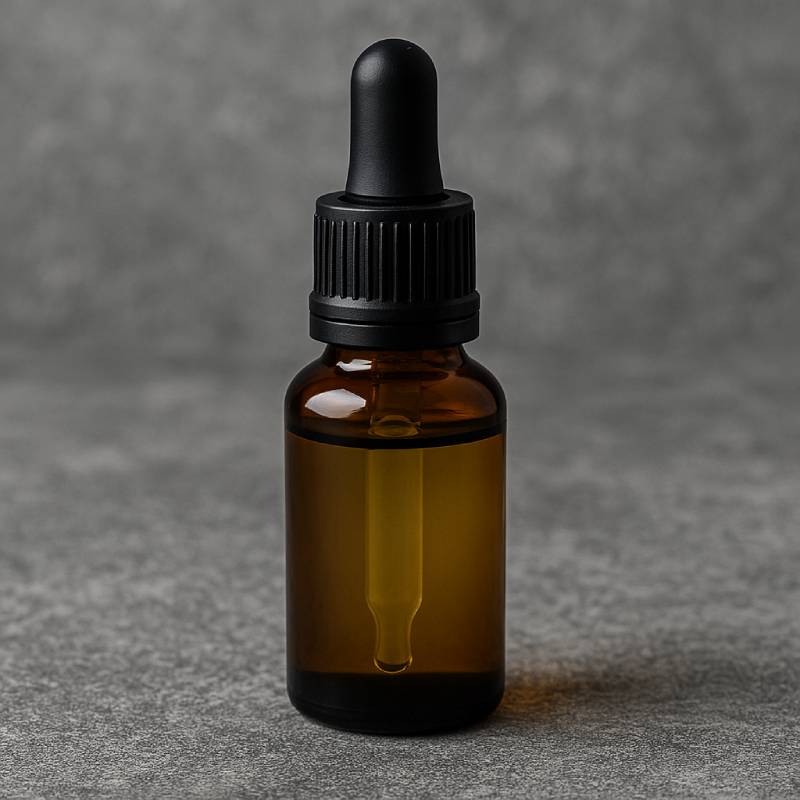
Introducing Atophylline, a cutting-edge lipolytic active ingredient expertly produced in Monaco. This light-yellow liquid, which may appear clear to slightly turbid, is a next-generation caffeine analog designed to deliver superior anti-cellulite and body-sculpting effects. With its exceptional bioavailability and powerful properties, Atophylline is your key to visibly reducing localized fat deposits, combating swelling, improving microcirculation, and restoring skin tone.

Description and Key Properties

Atophylline (INCI: Isopentenyltheophylline), also known as Isopentenyltheophylline, Theophylline Isopentenyl Ester, or Lipolytic Xanthine Complex, is a highly effective active ingredient that stands out as an enhanced alternative to traditional caffeine and theophylline. It's designed to target stubborn fat and fluid retention with precision.

Key properties and benefits:

  • Activates Adenylate Cyclase and cAMP Synthesis: This initiates a cascade of cellular events crucial for fat breakdown.
  • Triggers Lipolysis and Triglyceride Breakdown: Directly contributes to the reduction of fat cells and localized fat deposits.
  • Reduces Swelling and Improves Lymphatic Drainage: Effectively combats fluid retention and puffiness, leading to a smoother appearance.
  • Enhances Tissue Firmness and Skin Density: Contributes to a more toned and resilient skin texture.
  • Reduces Inflammation and Oxidative Stress: Offers protective benefits, promoting overall skin health.
  • Increases Skin Permeability for Other Actives: Acts as a penetration enhancer, boosting the efficacy of other beneficial ingredients in your formulation.
  • Non-Irritating and Suitable for Sensitive Areas: Gentle on the skin, making it versatile for various applications, including delicate zones.

Solubility: Atophylline is soluble in water, alcohols, and propylene glycol, making it easy to incorporate into a wide array of cosmetic formulations. It is insoluble in oils. pH: It maintains stability within a pH range of 5.0–6.5, compatible with most cosmetic products.

Versatile Applications and Usage Areas in Cosmetics

Atophylline is a highly effective active ingredient for both professional and at-home cosmetic products, specifically designed for body contouring, reducing the appearance of "orange peel" skin, and firming.

  • Cosmetic Applications:
    • Anti-Cellulite Creams and Gels: Its primary use, targeting the breakdown of fat and improving skin texture.
    • Lipolytic Body Serums: Concentrated formulas for intensive treatment of specific areas with fat accumulation.
    • Face and Chin Lifting Serums: Can be incorporated into formulas to improve skin firmness and reduce the appearance of a double chin.
    • Products for Abdominal, Thigh, and Arm Correction: Specifically formulated for areas prone to localized fat deposits and sagging skin.
    • Eye Area Cosmetics with Anti-Puffiness Effect: Gentle enough for the delicate skin around the eyes to reduce swelling and dark circles.
    • SPA Products and Drainage Formulas: Enhances the effectiveness of professional body treatments aimed at detoxification and fluid reduction.
  • Applications in Other Industries:
    • Professional Cosmetology: A key ingredient in advanced salon treatments for body sculpting and skin firming.
    • Lymphatic Drainage Formulas: Supports the body's natural detoxification processes when used in massage oils or gels.
    • Salon Body Wraps: Incorporated into professional body wraps for intensive anti-cellulite and firming effects.
    • Fitness Cosmetics: Products designed to enhance the results of physical exercise, promoting fat burning and muscle definition.

Dosage Recommendations:

  • 0.2–0.5% in eye gels and creams for puffiness.
  • 0.5–1% in face lifting serums.
  • 1–3% in body modeling formulations.
  • 3–5% in professional anti-cellulite products and body wraps.

Cosmetic Recipe: "Sculpt & Define" Anti-Cellulite Body Gel

Create a highly effective, fast-absorbing anti-cellulite body gel designed to reduce the appearance of orange peel skin and improve firmness, utilizing the powerful benefits of Atophylline.

Ingredient Percentage (%) Function
Phase A (Aqueous Phase)
Distilled Water Up to 100% (approx. 90.5%) Base of the gel
Glycerin 3% Humectant, draws moisture to the skin
Xanthan Gum 0.5% Gelling agent, thickens the gel
Phase B (Active Phase - Add below 40°C)
Atophylline (Isopentenyltheophylline) 3% Lipolytic, anti-edema, firming active
Caffeine (Anhydrous) 1% Boosts lipolytic effect (optional)
Green Tea Extract (Water-soluble) 1% Antioxidant, anti-inflammatory
Preservative (e.g., Euxyl K 903) 1% Protects against microbial growth
Fragrance (optional) 0.5% Provides pleasant scent

Instructions for Preparation:

  1. Sanitize: Thoroughly sanitize all your equipment (beakers, stirring rods, product containers) using isopropyl alcohol and allow them to air dry completely.
  2. Prepare Phase A (Aqueous Phase): In a clean beaker, disperse xanthan gum into glycerin, stirring well to form a lump-free slurry. This helps prevent clumping when adding water.
  3. Form the Gel (Phase A): Slowly add the distilled water to the glycerin/xanthan gum slurry while continuously stirring with a mini-mixer or whisk until a clear, homogeneous gel forms. This may take several minutes.
  4. Cool Down: Allow the gel to cool to below 40°C (104°F). This is essential to preserve the efficacy of heat-sensitive active ingredients.
  5. Add Phase B (Active Phase): Once the gel has cooled, add the Atophylline, caffeine (if using), green tea extract, preservative, and optional fragrance. Stir thoroughly after each addition to ensure complete dissolution and even distribution of all ingredients.
  6. Check pH (Recommended): Test the pH of your finished gel. For body products, an ideal pH range is typically 5.0-6.0. Adjust if necessary by adding a tiny drop of diluted lactic acid (to lower pH) or diluted baking soda solution (to raise pH).
  7. Package: Carefully transfer the finished gel into a clean, sterile pump bottle or tube.

Recommendations for Application and Use:

  • Optimal Dosage: This recipe uses Atophylline at 3%, which is effective for body modeling formulas. For professional or more intensive treatments, you can increase it up to 5% as per dosage guidelines.
  • Adding Atophylline: Since Atophylline is water-soluble, it should be added to the aqueous phase of your formulation. Always ensure the base has cooled below 40°C to protect its active properties.
  • Synergistic Ingredients: Atophylline pairs well with other lipolytic agents like caffeine, circulation enhancers, and skin firming ingredients to maximize anti-cellulite and sculpting results.
  • Storage: Store the finished gel in a cool, dark place, away from direct sunlight, to maintain its efficacy and extend shelf life. The preservative ensures microbial stability.
  • Application: Apply the gel generously to target areas (thighs, buttocks, abdomen) twice daily. Massage vigorously in circular motions until fully absorbed to stimulate circulation and lymphatic drainage.
  • Consistency: Consistent daily use is key to seeing visible results in reducing the appearance of cellulite and improving skin tone.
  • Professional Use: For professional use, consider combining this gel with body wraps or aesthetic devices for enhanced penetration and faster, more dramatic effects.
Characteristics:
INCI Isopentenyltheophylline
pH 5.0–6.5
Other
Application Application in cosmetics Anti-cellulite creams and gels Lipolytic serums for the body Lifting serums for the face and chin Products for correcting the abdomen, thighs, arms Eyelid cosmetics with anti-edematous effect SPA products and drainage formulas Application in other industries Professional cosmetology Hardware programs Lymphatic drainage formulas Salon wraps Fitness cosmetics
Att brand Monaco
Color product Light yellow
Dosage 0.2–0.5% in anti-puffiness eye gels and creams 0.5–1% in lifting face serums 1–3% in body modeling formulas 3–5% in professional anti-cellulite products and wraps
Features All information presented on the site is for reference only
Name Atophylline 100 ml
Other names Isopentenyltheophylline, Theophylline isopentenyl ether, Lipolytic Xanthine Complex, New generation caffeine analogue
Packaging container for transportation
Packing 100 ml
Properties Activates adenylate cyclase and cAMP synthesis Initiates lipolysis and triglyceride breakdown Reduces swelling and improves lymph flow Increases tissue elasticity and skin density Reduces inflammation and oxidative stress Increases skin permeability for other actives Does not irritate the skin, suitable for sensitive areas
Purpose highly effective lipolytic active for correction of local fat deposits, fight against edemas, improve microcirculation and restore skin tone. It is used as an alternative to caffeine and theophylline with improved bioavailability and pronounced anti-cellulite effect. Suitable for professional and home products aimed at body shaping, reduction of "orange peel", lifting and strengthening of the skin.
Solubility Soluble in water, alcohols, propylene glycol Insoluble in oils
View The liquid is transparent or slightly turbid.
Valid until 02.2028
Add a review
Your score:
Send feedback
Error

Close window
Product added to cart
Total:
Request the price of the product
Fill in the details for the price request
Request a price Request a price