-
 Absolutes
-
 Active Complexes
-
 Actives & Peptides
-
 Amino Acids & Proteins
-
 Food Flavors
-
 Ayurvedic Ingredients & Herbs
-
 Vitamins & Coenzymes
-
 Chocolate Making Supplies
-
 Thickeners & Gelling Agents
-
 Hydrosols & Floral Waters
-
 Hydrolyzed Proteins
-
 Fragrance Ingredients
-
 Nutraceutical Ingredients
-
 Acids, Salts, Alcohols & Alkalis
-
 Preservatives & Antioxidants
-
 Cosmetic Ingredients
-
 Colorants, Micas & Glitters
-
 Masks, Scrubs & Botanicals
-
 Oils & Butters
-
 Candle Making Supplies
-
 Melt and Pour Soap Bases
-
 Cream, Lotion & Hair Care Bases
-
 Fragrance Oils & Industrial Aromatics
-
 Cleansing Agents & Surfactants
-
 Peeling Actives & Acids
-
 Cosmetic Powders
-
 Solvents & Humectants
-
 Silicones & Conditioning Agents
-
 Bottles, Jars & Vials
-
 Silicone & Plastic Molds, Tools
-
 Botanical Extracts
-
 Cosmetic Emollients
-
 Emulsifiers
-
 Essential Oils
- Cosmetic Jars 391
- Bottles for cosmetics, dispensers, sprayers 863
- Laboratory glassware 22
- Measuring laboratory 23
- Plastic Packaging 878
- Plastic containers 19
- Perfume testers 36
- Glass Packaging, Bottles, and Jars 276
- Perfume Packaging 339
- Diffuser Bottles & Sticks 24
- Metal perfume atomizers 10
- Wholesale Jars, Bottles and Packaging Containers 2327
- Plastic Containers Large Wholesale 49
Bottles for cosmetics, dispensers, sprayers
 Add to cart

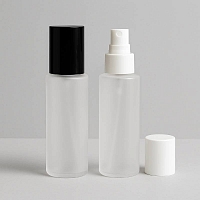

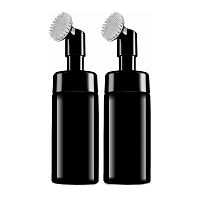
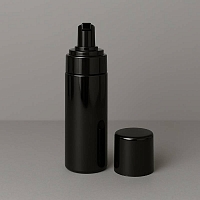
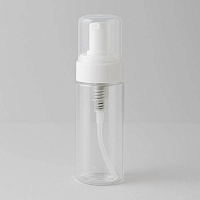
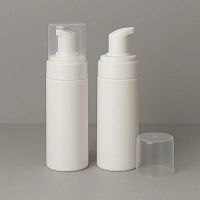
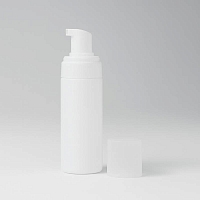
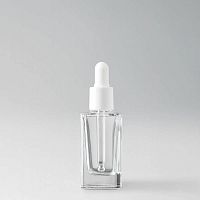
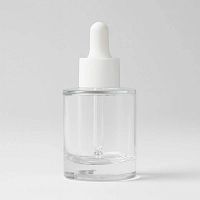
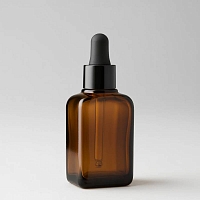
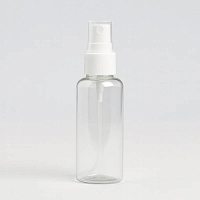
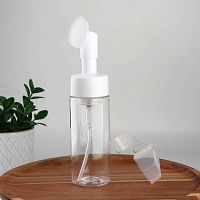
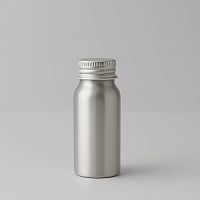
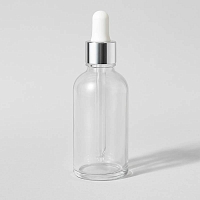
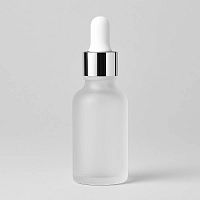
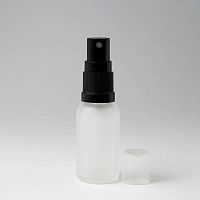
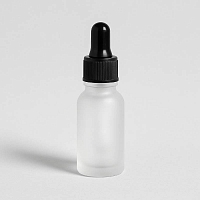
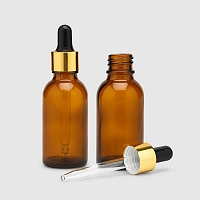
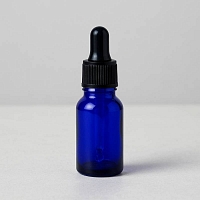
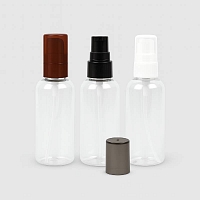
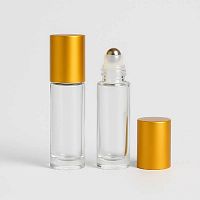
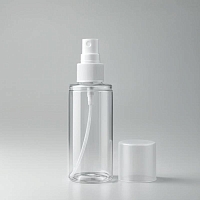


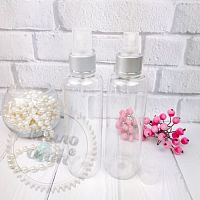
Choosing containers for creams lotions and liquid formulas
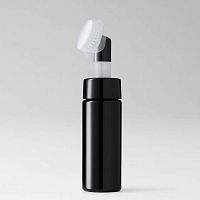
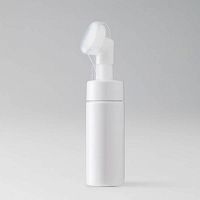
This section covers empty bottles, pumps, sprayers and dispenser closures used for packaging liquid and semi-liquid cosmetic formulas. You will find plastic and glass bottles in various volumes, fine mist sprayers, lotion pumps, foamer pumps and disc top caps suited for creams, tonics, serums, oils and other fluid products made in small or larger batches.
Dispenser format affects how a formula is actually used and dosed once it reaches the customer. Thin toners and hydrating mists usually go into fine mist sprayers, while thicker lotions and body oils call for lotion pumps or foamer pumps that control the amount released per press. Producers working across several product lines often combine these bottles with related <a href=\"https://xn----utbcjbgv0e.com.ua/en/tara-i-upakovka/tara-opt/\">packaging containers, jars and bottles</a> or pair them with <a href=\"https://xn----utbcjbgv0e.com.ua/en/tara-i-upakovka/banochki-dlja-krema/\">cosmetic jars</a> for thicker balms and creams sold in the same line.
Material and neck size also matter for compatibility with essential oils, alcohol based toners or oil rich serums, since some plastics react differently with certain formula bases over time.
Bottle styles and closure types
Within this group you will find several distinct bottle families rather than one uniform shape. Small brush cap bottles such as the Olympus bottle for varnish 15 ml or the Gloria bottle with a brush 14 ml are built for thin liquids that need controlled application with a built in applicator rather than a pump or spray head.
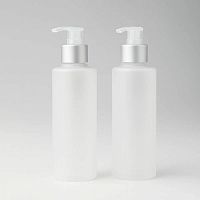
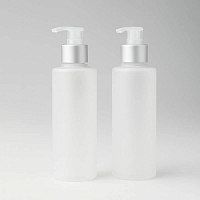
The oval shaped versions, including the oval bottle with brush 8 ml and its bulk pack option the oval bottle with brush for varnish 8 ml from 10 pieces, suit small batch fluids where precise line application matters more than volume dispensed per press. Larger formats work differently: the Ella bottle 200 ml with aluminum dispenser and its bulk equivalent the Ella bottle 200 ml with aluminum dispenser from 10 pieces are meant for liquid formulas dispensed by the pump stroke, while the Ella bottle 200 ml with spray head from 10 pieces covers finer mist output for the same body size.
Matching bottle and formula together
Choosing the right bottle starts with the consistency of the formula itself. Thin, low viscosity liquids such as toners, hydrolats or diluted actives disperse evenly through a fine mist sprayer, whereas thicker emulsions with oils, humectants or higher wax content tend to clog fine nozzles and are better suited to a pump or an open pour closure. Neck diameter and cap material also affect long term compatibility, since alcohol based formulas and concentrated essential oils can interact with certain plastics over months of storage.
Producers frequently pair these bottles with active ingredients, emulsifiers or preservatives from other parts of a formulation, then decide on the dispenser only once the final texture is confirmed through testing. For neutral, transparent bottles that suit a wide range of fluid textures, options like the Gloria bottle 150 ml transparent with aluminum cap or the Aero bottle 150 ml transparent with aluminum cap give a clean, adaptable base before a dispenser head is added.
Origin, batch sizes and storage
Several bottles in this range, including the white opaque Gloria bottle 100 ml white with aluminum cap and its bulk pack version the Gloria bottle 100 ml white with aluminum cap from 10 pieces, are sourced from Poland, giving a consistent wall thickness and cap fit across repeat orders.
Empty bottles should be kept dry, away from direct sunlight and dust, ideally still sealed in their original packaging until the day of filling. This matters more for light sensitive formulas, since clear bottles like several options above offer no UV protection on their own. Buyers assembling both liquid and rigid containers in one order often check laboratory glassware for measuring and mixing needs alongside the bottles listed here, which keeps formulation and packaging steps within a single delivery.
FAQ
What is the difference between a lotion pump and a foamer pump for cosmetic bottles?
A lotion pump releases a fixed dose of liquid or cream in its original texture, suited to serums and body oils, while a foamer pump mixes the formula with air to produce a light foam, which works better for thinner cleansing liquids and foaming hand or face washes.
Which bottle neck size should I choose for pumps and sprayers?
Neck size determines whether a pump or sprayer fits securely and seals properly, so it should always match the bottle you plan to use it with. Common sizes include 18/410, 20/410 and 24/410, and mixing sizes from different suppliers can cause leaks or a loose fit.
Can the same bottle be used for both toners and thicker lotions?
A single bottle style can often hold different formula types, but the closure matters more than the bottle itself. Fine mist sprayers suit thin, watery toners, while thicker lotions perform better with a lotion pump or disc top cap that controls flow and prevents spillage.
Do plastic bottles react with alcohol based or oil rich formulas?
Some plastics can degrade or become cloudy over prolonged contact with high alcohol content or concentrated essential oils, so glass or specifically rated plastics are safer for these formulas. Checking compatibility before filling a full batch is a good practice for longer shelf life.
What bottle sizes are typically available for small batch cosmetic production?
Small batch producers commonly work with volumes ranging from around 10 ml for samples and serums up to 250 ml or more for body lotions and everyday liquid products, with mid range sizes covering most tonic and cream formulas in between.
Recommendations
When selecting bottles, pumps or sprayers for a liquid formula, start with the texture and viscosity of your product rather than the bottle appearance alone. Thin liquids need a reliable fine mist sprayer, while creams and thicker lotions call for a pump that meters the right amount per dose. Match the neck size precisely to avoid leaks, and consider how the material will hold up against alcohol, oils or active ingredients over time. If you are building a full product line, ordering matching closures and containers together helps keep production consistent across batches. Reach out by email with your formula type and target volume, and we will help you find the right combination for your production needs.



