Worldwide delivery  |  Free delivery in all Ukraine from 1899 UAH
Product catalog
Master classes, recipes, tips
AMIGEL rheology guide: Sclerotium Gum in gels emulsions and suspensions
A comprehensive technical formulation guide dedicated to managing rheology in cosmetics using the natural polysaccharide AMIGEL (Sclerotium Gum). This article explores the physical mechanisms of polymer hydration and network formation for structuring clear gels, light emulsions, and particle-suspending fluids. It covers pre-dispersion in polyols, electrolyte stability, shear rate handling, incompatibility limits, thermal limits, and precise pH controls. Features three complete DIY recipes with step-by-step compounding instructions and cold storage standards.
Natpure Film AP: natural film-forming technology for skin color cosmetics and hair
A comprehensive technical formulation guide dedicated to utilizing the bio-based film former Natpure Film AP (derived from sugar cane) in color cosmetics and hair care. This article breaks down the physical mechanics of flexible film creation, moisture resistance, and pigment adhesion enhancement. It covers aqueous dissolution protocols, compatibility with natural polymers and gums, thermal boundaries, and precise pH controls. Features three complete DIY recipes with step-by-step compounding instructions and storage standards.
ViableCare LipoCare 8: integrating a liposomal ceramide complex into barrier-care formulas
A comprehensive technical formulation guide to designing skin barrier restoration creams and liposomal fluids using ViableCare LipoCare 8. This article breaks down the physiological mechanism of ceramide integration into stratum corneum lipids to stop transepidermal water loss. It details exact processing protocols to protect liposomal structures, low-shear cooling phase entry below thirty degrees Celsius, emulsifier compatibility, and pH boundaries. Features three complete DIY recipes with step-by-step compounding instructions and cold storage standards.
Product Description

Sodium Phytate: The Natural Chelating Agent for Your Formulations

Introducing Sodium Phytate, a high-performance, plant-derived chelating agent that's essential for creating stable and effective cosmetic and personal care products. Sourced from the seeds of plants like rice, corn, and oats, this natural ingredient is the eco-friendly alternative to synthetic chelators like EDTA. Sodium Phytate works by binding to metal ions in water, preventing them from destabilizing formulations, compromising product clarity, or causing rancidity in oils. It's a must-have for formulators seeking to create clean, stable, and sustainable products.

Product Description and Key Features

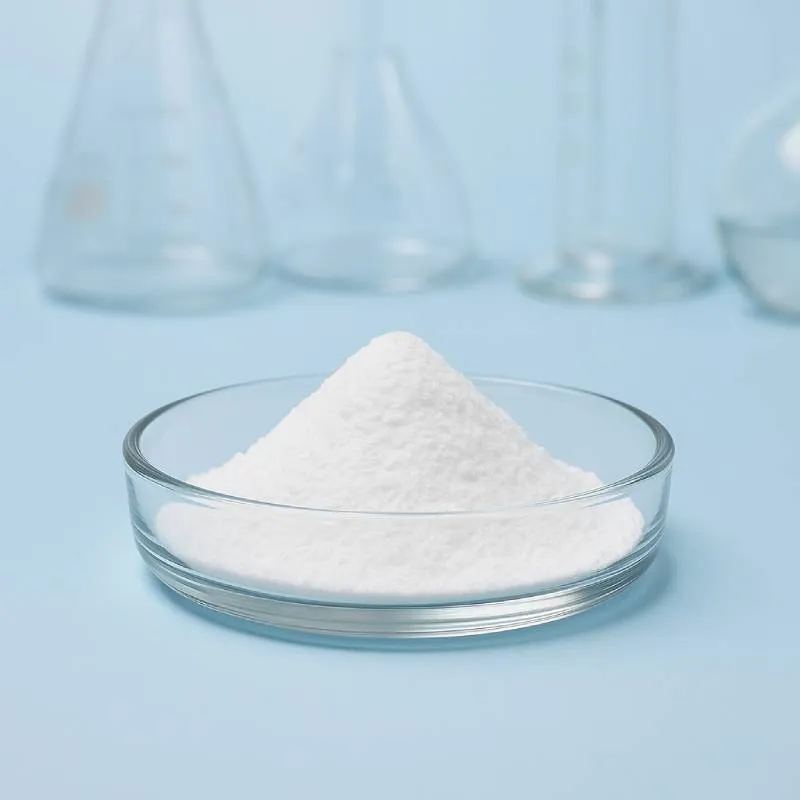
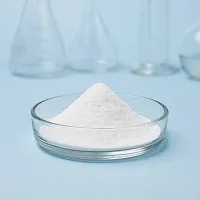
Sodium Phytate is a fine, white, crystalline powder. It is the sodium salt of phytic acid, a natural compound that plays a crucial role in the lifecycle of many plants. It is fully biodegradable and safe for both people and the environment. Its powerful chelating properties make it an indispensable ingredient for enhancing product quality and shelf life.

Key features and benefits:

  • Natural and Biodegradable: Sourced from renewable plant materials, Sodium Phytate is a completely natural and environmentally friendly chelating agent.

  • Enhances Product Stability: By sequestering metal ions, it prevents unwanted reactions that can cause discoloration, rancidity, and separation in cosmetic formulations.

  • Boosts Preservative Efficacy: It works synergistically with preservatives to enhance their effectiveness, allowing for the use of lower concentrations of preservatives in your products.

  • Increases Antioxidant Activity: It helps to potentiate the activity of antioxidants, protecting valuable ingredients like vitamins and botanical extracts from degradation.

  • Improves Skin Feel: It contributes to a softer, more moisturized skin feel in lotions and creams by helping to stabilize emulsions and reduce tackiness.

  • Highly Soluble: Sodium Phytate dissolves readily in water, making it easy to incorporate into a wide range of water-based formulations.

  • Versatile: It is compatible with most cosmetic ingredients and works effectively across a broad pH range.

Applications and Usage Areas

Due to its multifunctional properties, Sodium Phytate is a cornerstone ingredient in many different types of cosmetic and personal care products. Its ability to improve stability and performance makes it valuable for both liquid and solid formulations.

1. Skincare:

  • Application: Used in creams, lotions, serums, and toners.

  • Benefits: It prevents discoloration and extends the shelf life of products containing sensitive active ingredients. It improves the efficacy of antioxidants and provides a smooth, non-tacky feel on the skin.

2. Hair Care:

  • Application: Ideal for shampoos, conditioners, and hair masks.

  • Benefits: It helps to prevent mineral buildup on hair shafts, leaving hair feeling cleaner, softer, and more manageable. It also improves the performance of foaming agents and conditioners.

3. Body Care:

  • Application: Perfect for body washes, liquid soaps, and bath bombs.

  • Benefits: It helps to create a richer, more stable lather and prevents soap scum buildup in hard water. It enhances the moisturizing properties of body care products.

4. Oral Hygiene:

  • Application: Used in toothpastes and mouthwashes.

  • Benefits: It helps to prevent tartar buildup and can contribute to a fresher, cleaner feel.

5. Sustainable Formulations:

  • Application: An essential component for organic and natural cosmetic lines that prioritize eco-friendly ingredients.

  • Benefits: It allows formulators to replace synthetic chelators like EDTA, meeting the growing demand for clean and sustainable beauty products.

Recipe: Hydrating and Stabilizing Facial Toner

Create a refreshing and effective facial toner that hydrates the skin and remains stable over time with the help of Sodium Phytate.

Ingredients:

  • 96.5% Distilled Water

  • 2% Glycerin

  • 1% Sodium Phytate

  • 0.5% Preservative (e.g., Geogard 221)

Instructions: Combine the Water and Glycerin: In a clean, sanitized beaker, combine the distilled water and glycerin. Stir gently until the mixture is uniform.

Add the Sodium Phytate: Slowly add the Sodium Phytate powder to the water and glycerin mixture while stirring constantly. Continue stirring until the powder is fully dissolved and the solution is clear.

Incorporate the Preservative: Add the preservative to the mixture and stir well to ensure it is evenly dispersed throughout the toner.

Check the pH: Use a pH meter or strips to check the pH of the finished toner. The optimal pH for skin is around 5.5. If needed, adjust the pH by adding a small amount of citric acid (to lower) or baking soda solution (to raise).

Package the Toner: Pour the finished toner into a sterilized bottle with a spray or cap dispenser.

Recommendations:

  • Dosage: In this recipe, a 1% concentration of Sodium Phytate is used, which is an effective amount for stabilizing the product and boosting the preservative's performance. The recommended dosage for cosmetic products ranges from 0.05% to 0.5%.

  • Mixing: It's important to stir well to ensure the powder is completely dissolved. A small amount of heat (up to 40°C) can be used to speed up dissolution if necessary, but it is not required.

  • Storage: Store the finished toner in a cool, dark place to maintain its freshness and efficacy. The preservative will ensure a long shelf life.

  • Compatibility: This toner recipe can be customized by adding other water-soluble actives, such as niacinamide or botanical extracts, to enhance its benefits.

Characteristics:
INCI Sodium Phytate
Other
Application In anti-aging and antioxidant cosmetics In serums, gels and emulsions In shampoos, foams and cleansers In natural and organic cosmetics (suitable for ECOCERT, COSMOS certification) In sunscreens and after-sun products In products for sensitive and irritated skin
Att brand Germany
Color product white powder
Dosage For facial care: 0.05%–0.2% For anti-aging products: 0.1%–0.3% In preservative systems (together with potassium sorbate, sodium benzoate, etc.): 0.05%–0.2% In cleansers and shampoos: 0.05%–0.15% For natural cosmetics: up to 0.2% (with ECOCERT/COSMOS certificates)
Features All information presented on the site is for reference only
Minimum count 1
Name Sodium Phytate, 1 kg
Other names Phytic Acid Sodium Salt Natural Chelating Agent Sodium Phytate ( INCI )
Packaging container for transportation
Packing 10 g
Properties Reliably binds metal ions, stabilizing the formulation and preventing oxidation of active ingredients Increases the effectiveness of preservatives and antioxidants Moisturizes the skin, improves its elasticity and tone Helps to smooth the skin, reduce pore size and reduce the appearance of cellulite (in cosmetic formulas)
Purpose Chelating agent: prevents oxidation, improves formula stability Antioxidant: protects fatty components (oils, vitamins) from becoming rancid Enhancement of preservative action: reduces the activity of free ions that interfere with preservation Maintaining transparency and color of the product Increasing dermatological tolerance Softening and balancing action in pH-sensitive systems
Solubility in the water
View powder or crystals
Valid until 02.2028
Reviews (1) Add a review
Product rating:
  • Date:
    today
    Author:
    Ігор, Житомир
    Reviews

    Завжди отримую задоволення від покупок у цьому магазині.

    Is the review useful? Yes (0) No (0)
Add a review
Your score:
Send feedback
Error

Close window
Product added to cart
Total:
Request the price of the product
Fill in the details for the price request
Request a price Request a price