Polygreen Tensolive for advanced shampoo conditioner and cleansing concepts
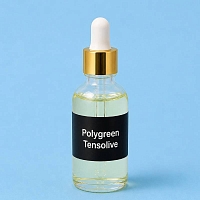
Polygreen Tensolive is an amphoteric surfactant with the INCI name Olivamidopropyl Betaine. Developed from olive oil fatty acid derivatives, it is positioned for use in shampoos, conditioners, hair masks, cleansing lotions, facial and body emulsions, liquid soaps, shower gels and shower creams. Manufacturer information describes compatibility with anionic, cationic and nonionic surfactants, making the ingredient suitable for a broad range of personal care formulation structures.
The ingredient is particularly useful when a development project requires more than basic cleansing. Within a properly balanced formula, Polygreen Tensolive can contribute to foam modification, surfactant system rheology and conditioning characteristics. The performance of a finished product, however, remains dependent on the complete composition and processing method.
Shampoo platforms for different consumer routines
A shampoo platform can be designed around a primary surfactant, an amphoteric co-surfactant and selected supporting materials. Polygreen Tensolive is recommended by its manufacturer for shampoo applications and is described as contributing to foam characteristics and viscosity development in appropriate surfactant combinations.
For a simple daily shampoo, the formulation may focus on a compact surfactant system with humectants and a straightforward rheology strategy. A salon shampoo may require a more complex combination of proteins, conditioning polymers and botanical ingredients.
The formula should be tested as a complete product rather than assessed only from its ingredient list. Wet spreading, foam density, rinsing, combability and the appearance of dry hair are relevant evaluation parameters.
Conditioner and hair mask development
Manufacturer documentation also identifies conditioners and hair masks among the application areas for Polygreen Tensolive. This creates interesting opportunities for coordinated hair care ranges.
In an emulsion conditioner, the ingredient should be incorporated with a clear understanding of the complete emulsification and conditioning system. Fatty alcohols, emulsifiers, oils and conditioning ingredients establish the main structure of the product.
A hair mask can combine the amphoteric ingredient with carefully selected lipid materials and water-soluble supporting ingredients. Excessive loading with oils or active solutions can change viscosity and emulsion stability.
Cleansing lotions and hybrid emulsions
Cleansing lotions are an interesting application because they combine surfactant technology with emulsion design. The formulator must balance cleansing performance with physical stability.
Polygreen Tensolive can be considered in facial and body cleansing emulsions, an application area specifically identified by the manufacturer.
A cleansing milk may contain an oil phase, an emulsifier system and a controlled surfactant contribution. Compatibility testing is essential because surfactants can alter interfacial behavior and change emulsion viscosity.
Shower creams and sensory body care
Shower creams allow a different sensory approach from transparent cleansing gels. They can be designed with a richer appearance and a softer spreading profile while still maintaining effective rinse-off behavior.
Polygreen Tensolive is suitable for shower gel and shower cream applications according to its technical documentation.
A body cleansing range may include a transparent morning gel, a creamy evening cleanser and a hand wash based on related surfactant technology. The formulas should not simply differ by fragrance. Active surfactant matter, viscosity and supporting ingredients should be optimized for each product.
Foam architecture as a formulation parameter
The manufacturer describes Polygreen Tensolive as capable of modifying foam structure in anionic surfactant systems, producing a more consistent and creamy foam profile.
Foam should be assessed under conditions relevant to the intended product. A shampoo test on hair provides different information from a simple cylinder shake test. A body wash should be assessed with the intended application method.
Water hardness can also affect consumer perception. Comparative testing with controlled water conditions can help a developer understand whether a formula remains consistent across different use environments.
Rheology and viscosity adjustment
Viscosity is a key quality parameter for shampoos and liquid cleansers. Technical information for Polygreen Tensolive describes thickening behavior in combination with suitable bulking agents and sodium chloride.
The salt curve of each surfactant blend should be determined experimentally. Sodium chloride is best introduced in controlled increments, with viscosity observation between additions.
Fragrance incorporation can shift viscosity. Therefore, final rheology adjustment should normally be performed after the fragrance system and other viscosity-sensitive ingredients have been incorporated.
Temperature stability is another important factor. A product that has ideal viscosity at room temperature may become difficult to dispense at lower temperatures or lose structure under warmer storage conditions.
Ingredient combinations for differentiated product ranges
In hair care, Polygreen Tensolive may be paired with hydrolyzed proteins, amino acids, suitable botanical extracts and compatible conditioning polymers. In body cleansing systems, humectants and polysaccharides can be selected to support the desired product profile.
More ingredients do not automatically create a more sophisticated product. Every additional extract or active solution changes the formulation environment and may influence preservation, odor, clarity and viscosity.
A focused formula with a clear technical purpose is often easier to manufacture consistently and easier to explain to the final customer.
Olive-derived protein shampoo 1000 g
Purified water 625 g
Disodium laureth sulfosuccinate 155 g
Polygreen Tensolive 90 g
Decyl glucoside 45 g
Glycerin 25 g
Hydrolyzed quinoa protein 15 g
Hydrolyzed oat protein 12 g
Water-soluble rosemary extract 8 g
Sodium PCA 8 g
Preservative 8 g
Fragrance 3 g
Hydroxyethylcellulose 4 g
Prepared citric acid solution 2 g
Total batch weight: 1000 g
Premix the hydroxyethylcellulose with glycerin until the powder is evenly dispersed. Charge the purified water into the main vessel and add the premix gradually under moderate agitation. Allow the polymer to hydrate completely before proceeding.
Add disodium laureth sulfosuccinate slowly while maintaining gentle mixing. Introduce Polygreen Tensolive and mix until uniform, then add decyl glucoside.
Add sodium PCA, hydrolyzed quinoa protein and hydrolyzed oat protein. Introduce the water-soluble rosemary extract after confirming compatibility with the base.
Add the preservative according to its processing requirements, followed by the fragrance. Adjust acidity with the prepared citric acid solution while checking the actual pH instrumentally.
Allow the batch to rest until entrained air has been released. Recheck viscosity, homogeneity and pH after equilibration before filling.
Manufacturing consistency and finished product evaluation
A production specification should define ingredient addition order, mixing conditions, temperature range and the required resting period before final quality measurements.
Excessive aeration should be avoided. Persistent foam can interfere with batch volume assessment, filling operations and immediate viscosity evaluation.
Preservation must be established for the complete finished formula. Preservatives associated with an individual supplied raw material grade should not be assumed to protect the entire finished product. The final preservation strategy must account for the complete water phase, botanical additions, manufacturing hygiene and packaging.
Polygreen Tensolive provides formulators with a versatile amphoteric co-surfactant option for developing connected shampoo, conditioner, mask and cleansing product collections. Its practical value is strongest when formulation decisions are based on surfactant balance, controlled rheology development, ingredient compatibility and systematic evaluation of the finished product.