-
 Absolutes
-
 Active Complexes
-
 Actives & Peptides
-
 Amino Acids & Proteins
-
 Food Flavors
-
 Ayurvedic Ingredients & Herbs
-
 Vitamins & Coenzymes
-
 Chocolate Making Supplies
-
 Thickeners & Gelling Agents
-
 Hydrosols & Floral Waters
-
 Hydrolyzed Proteins
-
 Fragrance Ingredients
-
 Nutraceutical Ingredients
-
 Acids, Salts, Alcohols & Alkalis
-
 Preservatives & Antioxidants
-
 Cosmetic Ingredients
-
 Colorants, Micas & Glitters
-
 Masks, Scrubs & Botanicals
-
 Oils & Butters
-
 Candle Making Supplies
-
 Melt and Pour Soap Bases
-
 Cream, Lotion & Hair Care Bases
-
 Fragrance Oils & Industrial Aromatics
-
 Cleansing Agents & Surfactants
-
 Peeling Actives & Acids
-
 Cosmetic Powders
-
 Solvents & Humectants
-
 Silicones & Conditioning Agents
-
 Bottles, Jars & Vials
-
 Silicone & Plastic Molds, Tools
-
 Botanical Extracts
-
 Cosmetic Emollients
-
 Emulsifiers
-
 Essential Oils
- Fragrance Oils from England 8
- Fragrance Oils Germany 17
- Fragrance Oils for Creams and Lotions 13
- Fragrance Oils Spain 67
- Lori Fragrance Oils (Latvia) 81
- Polish Fragrance Oils 3
- Fragrance Oil US 365
- Ukrainian Fragrance Oils 344
- French Fragrance Oils 170
- Water Soluble Fragrances 30
- Hypoallergenic fragrances 12
- Home Fragrance Collection 4
- Polymer Granules for Sachets 17
- Lipstick Flavors Oils 21
- Toothpaste fragrances 1
- Cold & Hot Process Soap Fragrance Oils 45
- Laundry detergent fragrance oils 16
- Japanese Fragrance Oils 30
- Perfume compositions 957
- Perfume Fragrance Oils 957
- Fragrance Oils Wholesale 4338


Perfume Fragrance Oils

 Add to cart
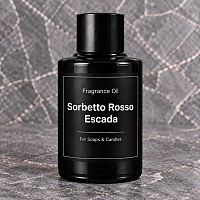
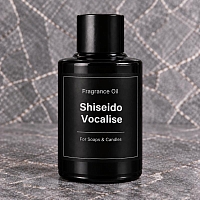
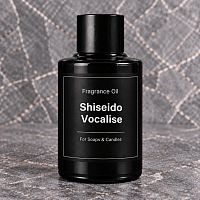
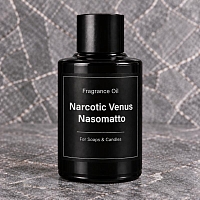


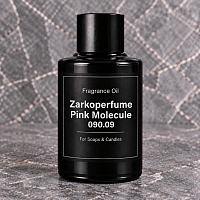
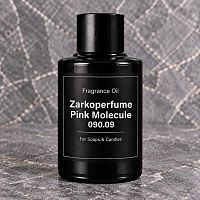
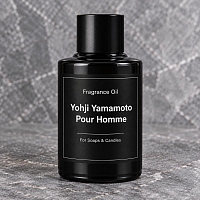
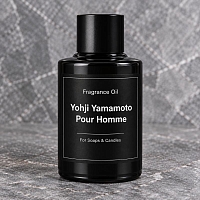
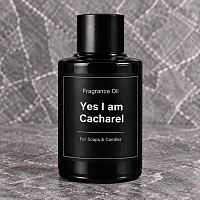
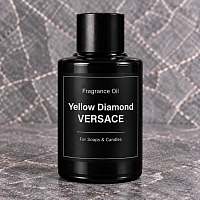
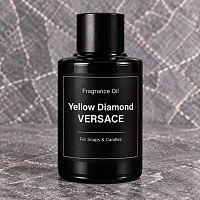
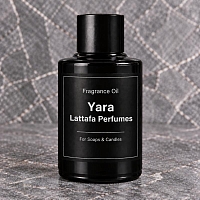
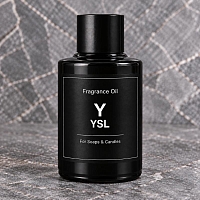
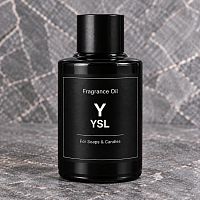
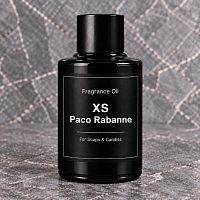
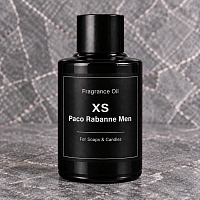
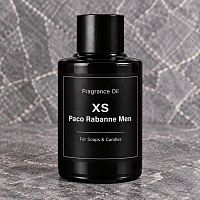
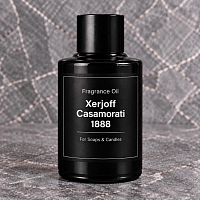
Scent compounds for creams lotions and personal care lines
Perfume fragrance oils are concentrated aromatic compounds formulated to scent a wide range of cosmetic products. This section offers hundreds of blends built around classic perfumery notes, from citrus and floral accords to woody, gourmand and musky bases, each designed to stay stable once mixed into a finished formula.
These compounds are used across creams, lotions, body butters, shampoos, conditioners, deodorants and other leave-on and rinse-off formulas where a consistent scent profile matters. Formulators choose a fragrance oil based on how it behaves in the intended base, since oil solubility, pH tolerance and heat stability vary between blends and affect the final result in an emulsion or surfactant system. For buyers focused on locally sourced accords, the Ukrainian Fragrance Oils range offers an alternative set of compositions, while larger production runs are often planned around the Fragrance Oils Wholesale section for volume purchasing.
Types within the range and how they differ
The catalog spans two broad groups that formulators treat differently. One is a library of designer inspired accords built to echo a specific finished scent profile, such as the fresh citrus and marine notes found in Fragrance Oil Allure Sport, CHANEL 10 ml and its larger Fragrance Oil Allure Sport, CHANEL 25 ml counterpart. The other is built around mood and character rather than a single reference scent, ranging from deep amber and woody bases to lighter floral musks.
Within the designer inspired group, blends differ mainly in the balance of top, heart and base notes. A composition such as Magie Noire Fragrance Oil, LANCOME, 10 ml leans on darker, resinous facets that hold up well in richer emulsions, while a sparkling citrus and fruit oil sits better in lighter lotions and rinse-off products. The Magie Noire Fragrance Oil, LANCOME, 25 ml option covers the same profile for larger batch sizes.
Choosing a blend and building a formula around it
Selection starts with the base the fragrance will go into. A cream or body butter with a high oil phase can carry heavier, more tenacious accords, while a surfactant based shampoo or shower gel needs a compound proven stable at higher pH and in the presence of soap and detergent molecules. Fragrance load is another key variable, since a compound engineered for a 0.5 percent dosage will behave differently at 2 percent in a leave-on cream.
Fresh, citrus forward oils such as Fragrance Oil 5-th Avenue, E. Arden, 10 ml and the matching Fragrance Oil 5-th Avenue, E. Arden, 25 ml pair well with light humectants and quick absorbing emollients in daily lotions. Warmer, spicier profiles like Boss Orange Hugo Boss Fragrance Oil 10 ml or its Boss Orange Hugo Boss Fragrance Oil 25 ml version tend to suit heavier balms, solid formats and deodorant sticks where the scent needs to project through an oil or wax base. Floral gourmand compositions, such as Ange ou Demon le secret GIVENCHY Fragrance Oil 10 ml and the Ange ou Demon le secret GIVENCHY Fragrance Oil 25 ml pack, are frequently chosen for conditioners and hair masks where a soft, lingering note is preferred over a sharp top note.
Masculine and unisex woody accords, including Blue Label Givenchy Fragrance Oil 10 ml, its Blue Label Givenchy Fragrance Oil 25 ml size, and citrus aromatic blends like Armand Basi Fragrance Oil, 10 ml with the larger Armand Basi Fragrance Oil, 25 ml, sit comfortably in aftershave balms, deodorants and grooming lines. Formulators sourcing regional compositions instead of designer inspired ones often check the French Fragrance Oils selection, which groups blends by origin rather than by finished scent reference.
Origin, solubility and storage
Fragrance oils in this catalog are sourced from France, Ukraine and Turkey, giving formulators a mix of established European compositions and locally produced alternatives at different price points. Not every blend behaves the same way in water based systems, so projects built around gels, toners or rinse-off products often start from the Water Soluble Fragrances range rather than an oil soluble compound meant for emulsions.
All fragrance oils should be stored in tightly closed containers, away from direct light and heat, since prolonged exposure changes the top notes and can shift the balance of an accord before it ever reaches a finished formula. For production runs that go beyond small batch testing, ordering is usually planned in advance through email, with orders typically assembled within three to five working days.
FAQ
What is the difference between a fragrance oil and an essential oil in cosmetic formulas
Fragrance oils are formulated aromatic blends, often combining synthetic and natural components for consistent scent and stability, while essential oils are single plant distillates. Fragrance oils generally offer better performance in emulsions, more predictable behavior at scale and a wider range of achievable scent profiles.
How much fragrance oil should be added to a cream or lotion base
Usage rates typically range from about 0.5 percent to 3 percent of total formula weight, depending on the blend strength and the base type. Always start with a small test batch, check for stability over several weeks and confirm the scent holds after the emulsion cools and settles.
Can one fragrance blend be used in both leave on and rinse off products
Many blends work across both categories, but performance can differ because rinse off formulas like shampoo lose scent faster on rinsing while leave on products like body butter need stronger heat and oxidation stability. Checking a blend against the intended base before scaling up production is recommended.
How should fragrance oils be stored to keep their scent stable
Keep containers tightly closed, away from direct light and heat, ideally in a cool dry space with stable temperature. Oxygen exposure and temperature swings are the main causes of scent drift over time, so minimizing headspace in partially used containers also helps preserve the original profile.
Do fragrance oils work in surfactant based products like shampoo and shower gel
Yes, though solubility in a surfactant system depends on the specific blend composition, and some fragrance oils require a solubilizer to stay clear and evenly dispersed in a clear gel. Testing the blend directly in the target surfactant base before full production avoids clouding or separation issues.
How long does a typical fragrance blend keep its scent profile in a finished product
Well stored fragrance oils used within a properly formulated cosmetic base typically maintain their intended scent character for the shelf life of the finished product, often twelve months or longer. Actual longevity depends on the base type, packaging and storage conditions after the product is made.
Recommendations
Choosing the right fragrance blend starts with matching it to your base type, since oil solubility, pH range and heat tolerance vary between compositions and directly affect how the scent performs in a cream, lotion, shampoo or surfactant system. Request a small sample before committing to a larger batch, and run a stability test through your full production process, including any heating steps, to confirm the scent holds as expected.
For larger or recurring production needs, plan your order around expected usage rates and lead times rather than ordering at the last moment. Our team responds to sourcing questions and order details by email, and orders are typically assembled within three to five business days, excluding weekends and holidays.



