-
 Absolutes
-
 Active Complexes
-
 Actives & Peptides
-
 Amino Acids & Proteins
-
 Food Flavors
-
 Ayurvedic Ingredients & Herbs
-
 Vitamins & Coenzymes
-
 Chocolate Making Supplies
-
 Thickeners & Gelling Agents
-
 Hydrosols & Floral Waters
-
 Hydrolyzed Proteins
-
 Fragrance Ingredients
-
 Nutraceutical Ingredients
-
 Acids, Salts, Alcohols & Alkalis
-
 Preservatives & Antioxidants
-
 Cosmetic Ingredients
-
 Colorants, Micas & Glitters
-
 Masks, Scrubs & Botanicals
-
 Oils & Butters
-
 Candle Making Supplies
-
 Melt and Pour Soap Bases
-
 Cream, Lotion & Hair Care Bases
-
 Fragrance Oils & Industrial Aromatics
-
 Cleansing Agents & Surfactants
-
 Peeling Actives & Acids
-
 Cosmetic Powders
-
 Solvents & Humectants
-
 Silicones & Conditioning Agents
-
 Bottles, Jars & Vials
-
 Silicone & Plastic Molds, Tools
-
 Botanical Extracts
-
 Cosmetic Emollients
-
 Emulsifiers
-
 Essential Oils
- Alginate Face Masks 115
- Bath Beads and Pearls 75
- Waxes for cosmetics 69
- Cosmetic Clay 45
- Face and Body Masks 89
- Scrubs for Cosmetic Production 113
- Bath Salts 48
- Natural dried flowers 37
- Alginate Masks Wholesale 176
- Clays for Cosmetics Wholesale 35
- Additives for Cosmetics Wholesale 327
- Face and Body Masks Wholesale 175
- Scrub Ingredients Wholesale 121
- Bath Salt Wholesale 57
- Cosmetic Clays Wholesale 4


Alginate Masks Wholesale

 Add to cart


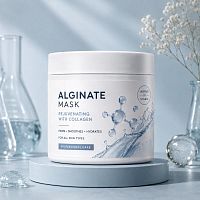
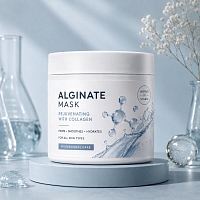

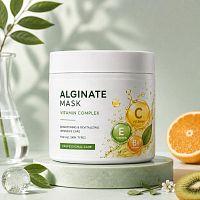
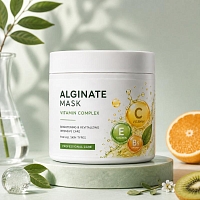

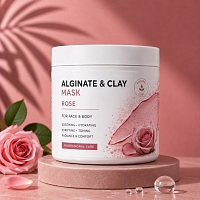


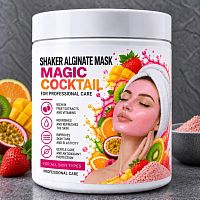


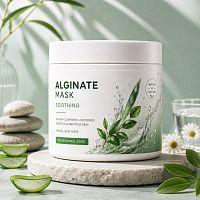
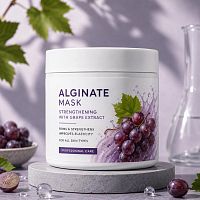
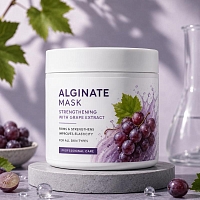
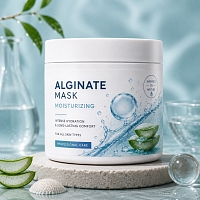

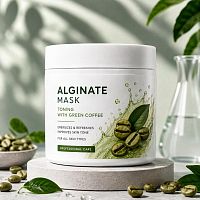
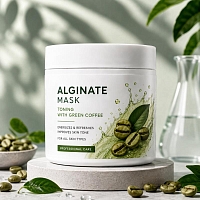


Powder base ingredients for peel off facial treatments
This section offers alginate powder mixes used as a base for peel off facial treatments. The powder is combined with water to form a gel mask that sets on the skin and lifts away as a single flexible layer once dry. Formulas here vary by added actives such as clay, marine extracts, collagen, botanical powders, and vitamin complexes, giving practitioners a wide range of textures and finishing effects to choose from.
Because the base powder itself is a functional ingredient rather than a finished retail product, it is used across many different treatment concepts, from calming and soothing routines to firming, brightening, or detoxifying facial protocols. Estheticians and product developers often pair alginate powders with complementary additives for cosmetics to adjust texture, scent, or active ingredient concentration in a custom blend. Some formulators also layer in natural dried flowers for a visual and light exfoliating touch during application.
Formula variations and how they differ
Alginate powder bases split mainly by their added active complex rather than by the alginate itself. A basic alginate mask for face and body works as a clean, low additive option suited to sensitive skin protocols or as a neutral carrier when a therapist wants to add their own actives at the mixing stage. Fruit and plant based versions such as an alginate mask with apple, an alginate mask with strawberries, or an alginate mask with pineapple and papaya bring fruit acids and light enzymatic activity into the mix, which formulators lean on for brightening or refreshing routines. A carrot and glucose alginate mask or an alginate mask with beetroot extract add plant pigments and antioxidant compounds, while a mask with red grape and collagen combines polyphenols with a firming protein complex for more mature skin concerns. Mineral rich formulas like black mud with green clay or an alginate mask with green clay and chamomile pull toward detoxifying and oil balancing treatments, and a marine leaning option such as the basic alginate mask Breath of the sea is built around ocean derived minerals. Comfort oriented blends like the alginate mask with chocolate are chosen mainly for their texture, warmth, and sensory finish during a treatment session.
Choosing a base and building a compatible routine
The right base depends on the treatment goal, skin type of the client, and how much room the practitioner wants to leave for adding their own actives. A cleaner base gives more flexibility for custom blending, while a formula already rich in clay, marine extract, or fruit acid is better suited to a defined single purpose treatment. Setting time, gel firmness, and peel off strength can also vary between powders, so it is worth testing a small batch before committing to a full size format for a new protocol.
Because the powder itself functions as a delivery and film forming base rather than a finished product, it pairs well with a wide range of supporting ingredients. Estheticians commonly blend in waxes for cosmetics when a firmer, more structured mask texture is needed, along with additional botanical powders, hydrating complexes, or targeted actives depending on the finished formula. This same base logic applies broadly across facial, neck, and body treatments rather than being limited to a single product concept.
Origin and storage notes
Alginate powders and related mask components in this range originate from suppliers in France, the United States, Spain, and Germany, giving buyers a choice of texture and processing standards depending on the source. Keep containers tightly sealed and stored in a cool, dry place away from direct moisture, since alginate powder absorbs humidity quickly and can clump or lose its even gel forming property if exposed to air for extended periods. Standard 1 kg packaging suits professional studios processing multiple clients weekly, while smaller test volumes are worth requesting when trialing an unfamiliar formula for the first time.
FAQ
What is alginate powder base used for in facial treatments
Alginate powder base is mixed with water to create a gel that firms into a peelable layer on the skin. It serves as a carrier for active ingredients like clay, marine extracts, or botanical powders, letting practitioners build custom facial treatments for calming, brightening, firming, or detoxifying purposes.
How do you mix alginate powder for a face mask
Alginate powder is blended with room temperature or cool water at a ratio specified by the manufacturer, then stirred quickly and applied to the face before it begins to set. Timing matters since the mixture thickens fast, so most practitioners premeasure water and powder before combining them.
What is the difference between plain and enriched alginate powders
Plain alginate powder forms a neutral gel base, while enriched versions include added actives such as collagen, vitamin complexes, clay, or marine extracts that target specific skin concerns. The added ingredients change the finishing texture, color, and intended treatment focus without altering the basic peel off mechanism.
How should alginate powder be stored
Alginate powder should be kept sealed in a dry, cool location away from direct moisture and heat, since it absorbs humidity from the air and can clump or lose its setting properties. A tightly closed container is usually sufficient for maintaining consistency between uses.
Can alginate powder be combined with other cosmetic ingredients
Yes, alginate powder bases are commonly blended with complementary additives, botanical powders, or dried flower pieces to adjust texture, visual appeal, or active concentration. This flexibility allows formulators to build treatment variations without changing the core gel forming mechanism.
Recommendations
When choosing an alginate powder base, match the added active complex to the treatment outcome you want to offer, whether that is a soothing marine blend, a firming collagen formula, or a clay based option for oilier skin types. Check the intended water ratio and setting time so it fits your treatment pace, and consider ordering a small batch first to test texture and finish before committing to a larger quantity. Our team can help you compare available formulas by email, and orders are typically assembled within three to five business days.



