-
 Absolutes
-
 Active Complexes
-
 Actives & Peptides
-
 Amino Acids & Proteins
-
 Food Flavors
-
 Ayurvedic Ingredients & Herbs
-
 Vitamins & Coenzymes
-
 Chocolate Making Supplies
-
 Thickeners & Gelling Agents
-
 Hydrosols & Floral Waters
-
 Hydrolyzed Proteins
-
 Fragrance Ingredients
-
 Nutraceutical Ingredients
-
 Acids, Salts, Alcohols & Alkalis
-
 Preservatives & Antioxidants
-
 Cosmetic Ingredients
-
 Colorants, Micas & Glitters
-
 Masks, Scrubs & Botanicals
-
 Oils & Butters
-
 Candle Making Supplies
-
 Melt and Pour Soap Bases
-
 Cream, Lotion & Hair Care Bases
-
 Fragrance Oils & Industrial Aromatics
-
 Cleansing Agents & Surfactants
-
 Peeling Actives & Acids
-
 Cosmetic Powders
-
 Solvents & Humectants
-
 Silicones & Conditioning Agents
-
 Bottles, Jars & Vials
-
 Silicone & Plastic Molds, Tools
-
 Botanical Extracts
-
 Cosmetic Emollients
-
 Emulsifiers
-
 Essential Oils
- Ingredients for Bath Bomb and Fizzer 218
- Soap Bouquet Crafting Materials 521
- Slime Supplies: Ingredients and Additives 560
- Shampoo ingredients 396
- DIY Perfume Supplies 986
- Deodorant Components 90
- Cold process soap ingredients 96
- Components for lipstick, balm, lip gloss 374
- Sun protection components 253
- Components for washing powder 62
- Bath products 88
- Ingredients for cleaning products 71
- Ingredients for Alginate Masks 36
- Shampoo Ingredients Wholesale 507
- DIY Perfume Supplies Wholesale 1050
- Chocolate Ingredients Wholesale 71
- Components for washing powder Wholesale 64
DIY Perfume Supplies

 Add to cart
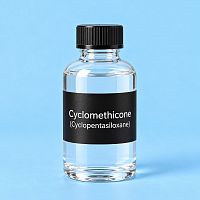



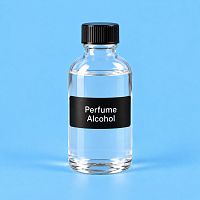
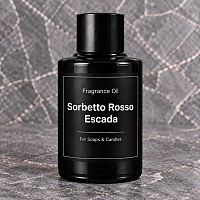
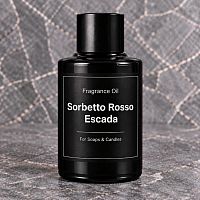
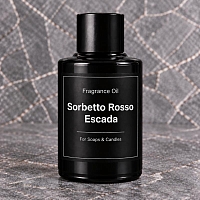
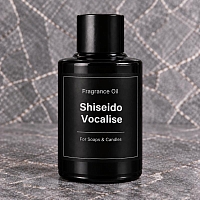
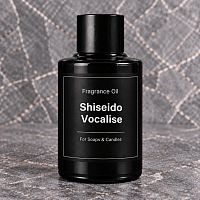
Building blocks for layered scent formulas
This section brings together the raw materials used to build custom fragrance blends from scratch, including carrier bases, fixatives, dilution alcohols, blotter strips and small tools for testing and layering scent. It suits anyone formulating original compositions rather than buying a finished perfume oil, whether the goal is a single signature blend or a small batch line for retail.
These components sit at the core of many cosmetic formats beyond finished perfume, since the same fixatives and carriers stabilize scent in lotions, creams and hair care bases. A fragrance that fades within an hour on skin usually points to a missing fixative rather than a weak concentrate, which is why pairing a scent note with the right carrier matters more than the note itself. For projects that also involve colorants or texture agents, the ingredients for bath bomb and fizzer section covers adjacent additives, while formulators working with edible-adjacent bases sometimes cross over to the chocolate ingredients wholesale range for shared aromatic carriers.
Fixatives, aroma chemicals and blending tools
Within this group, materials split by role rather than by scent family. Fixatives such as Ambralux (Iso E), 10 ml slow down evaporation and give a blend depth that lasts on skin or fabric, while single aroma chemicals like Coumarin 5 g or Geranyl Acetate 5 ml add a specific facet, warm and hay-like in the first case, fresh and floral in the second, that a formulator layers on top of a base accord. Ready-made fragrance oils such as Fragrance Oil Sportclub, 5 ml and Fragrance Oil Sportclub, 20 ml or Fragrance Oil Cologne Sasha, 5 ml and Fragrance Oil Cologne Sasha, 20 ml sit at the other end of the range, offering a finished direction that can be used as is or split into two components and rebuilt with extra fixative or top notes.
Dilution alcohols, blotter strips and small measuring tools complete the set. They are not decorative extras, they are what turns a concentrate into something that can actually be smelled, tested and compared batch to batch, which matters as much for a home hobbyist testing a first blend as for a small brand scaling a signature scent into a production run.
Choosing a component and building a formula
Selection usually starts from the role a material plays rather than its price or volume. A base note or fixative is chosen for how long it needs to hold a scent and how it behaves with oils, waxes or water-based carriers, since the same fixative can perform differently in an anhydrous balm than in an emulsion. A mid or top note is chosen for the mood it adds, citrus, green, powdery, and is usually dosed in smaller amounts against a stronger backbone.
These raw materials are not limited to finished perfume oils. The same fixatives and single aroma chemicals stabilize scent in lotions, body creams, hair care bases and other cosmetic formats, which is why formulators keep a small working set of two or three fixatives and a handful of aroma chemicals rather than relying on one fragrance oil for every project. For blends that will also carry color or texture additives, the cold process soap ingredients range covers related bases that some of these scent components are paired with in mixed formulations.
Origin, storage and small-batch sourcing
Materials in this group come from a mix of sources, including Spain, France, Ukraine, Poland and Turkey, which is typical for a category that blends synthetic aroma chemicals with regionally sourced naturals. Concentrated aroma chemicals and fixatives keep their character longer when stored away from direct light and heat, in tightly closed containers, since oxidation and evaporation are what change a blend's profile over time, not just how old the bottle is.
Working in small test batches before committing to a larger one remains the most reliable way to confirm a combination holds up over days rather than only in the first hour after mixing. Formulators experimenting with edible-adjacent aromatic bases sometimes also draw from the cold process soap ingredients section for shared carriers, while a quick side-by-side of Fragrance Oil Sportclub, 20 ml against Fragrance Oil Cologne Sasha, 20 ml is often enough to decide which direction fits a given project before scaling up.
FAQ
What carrier should I use to dilute fragrance oils for a cosmetic blend
Dipropylene glycol and fractionated coconut based carriers are common choices since they dissolve most aroma chemicals cleanly and do not clash with the base formula. The right pick depends on whether the final product is alcohol based, oil based or intended for skin contact.
Why does a scent blend fade quickly on skin or fabric
Fast fading usually means the blend lacks a fixative rather than a shortage of concentrate. Adding a small percentage of a fixative material slows evaporation of the lighter top notes and helps the blend hold its shape for hours instead of minutes.
What is the difference between a fixative and an aroma chemical
An aroma chemical contributes an actual scent note, while a fixative has little smell of its own but slows down evaporation and anchors lighter notes to the skin or product base. Most lasting blends combine several aroma chemicals with one or two fixatives.
How should blending alcohol and aroma materials be stored
Keep them in tightly sealed, dark glass or dense plastic containers away from direct light and heat, since both alcohol and aroma chemicals degrade faster when exposed to warmth and UV. Cool, stable room temperature storage preserves the blend's strength longest.
Recommendations
Choose fixatives and carriers based on the final product format rather than the scent note alone, since an alcohol based blend and a cream base call for different dilution materials. Test a small batch on blotter strips first and let it develop over a few hours before scaling up a formula. For sourcing specific fixatives, aroma chemicals or blending tools in the quantities your production needs, reach out by email and our team will help match materials to your project.



