-
 Absolutes
-
 Active Complexes
-
 Actives & Peptides
-
 Amino Acids & Proteins
-
 Food Flavors
-
 Ayurvedic Ingredients & Herbs
-
 Vitamins & Coenzymes
-
 Chocolate Making Supplies
-
 Thickeners & Gelling Agents
-
 Hydrosols & Floral Waters
-
 Hydrolyzed Proteins
-
 Fragrance Ingredients
-
 Nutraceutical Ingredients
-
 Acids, Salts, Alcohols & Alkalis
-
 Preservatives & Antioxidants
-
 Cosmetic Ingredients
-
 Colorants, Micas & Glitters
-
 Masks, Scrubs & Botanicals
-
 Oils & Butters
-
 Candle Making Supplies
-
 Melt and Pour Soap Bases
-
 Cream, Lotion & Hair Care Bases
-
 Fragrance Oils & Industrial Aromatics
-
 Cleansing Agents & Surfactants
-
 Peeling Actives & Acids
-
 Cosmetic Powders
-
 Solvents & Humectants
-
 Silicones & Conditioning Agents
-
 Bottles, Jars & Vials
-
 Silicone & Plastic Molds, Tools
-
 Botanical Extracts
-
 Cosmetic Emollients
-
 Emulsifiers
-
 Essential Oils
- Antioxidants 122
- Biocides 12
- Hydrosols (Hydrolates) 11
- Hydrocolloids for Cosmetics 10
- Others 70
- Fragrant Waters for Cosmetics 26
- Mineral Cosmetic Ingredient 194
- Functional Components 5137
- Corneotherapy 17
- Liposomes for Cosmetics 21
- Minerals 76
- pH Neutralizers/Correctors 20
- Resins and Resinoids 17
- UV and SPF Filters for Cosmetics 95
- Fruit Powders 15
- Chemical Raw Materials 155
- Enzymes, Filtrates, and Lysates 26
- Cargill France SAS – Oils and Actives 10
- BASF Cognis Care Chemicals 12
- Vitamins & Coenzymes Wholesale 156
- Bulk Waxes for Cosmetics 61
- Others Wholesale 89
- Acids, Salts, Alcohols & Alkalis Wholesale 136
- Cosmetic Ingredients Wholesale 2549
- Food grade raw materials wholesale 13
- Fruit Powders in Bulk 23
- Antioxidants bulk 1
- Acids and Alkalis Wholesale 17
- Preservatives Bulk 5
- Bulk Surfactants 3
- Emulsifiers Bulk 14
- Hydrosols Bulk 210


Hydrosols Bulk
 Add to cart

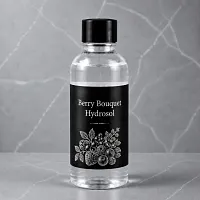
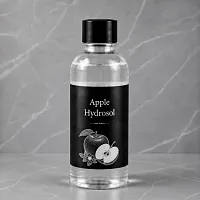
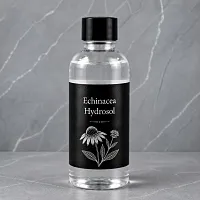
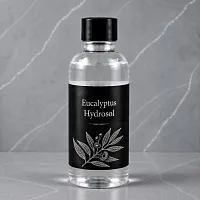

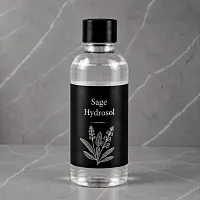
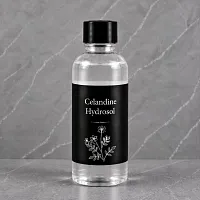
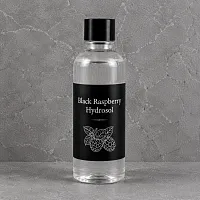
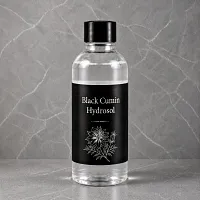
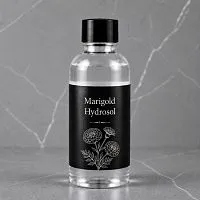
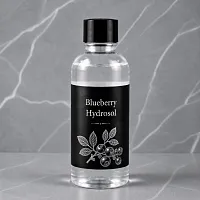
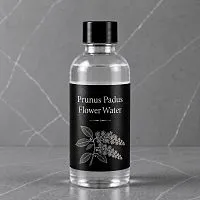
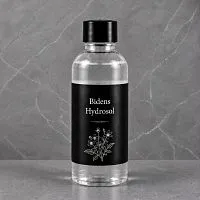
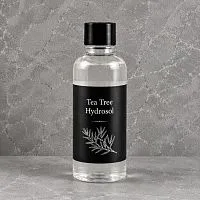
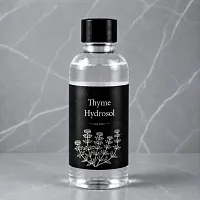
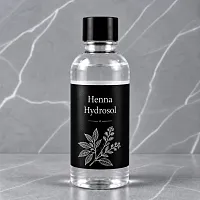
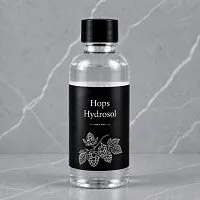
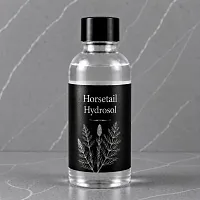
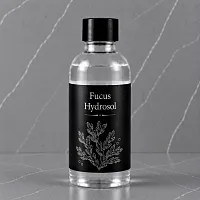
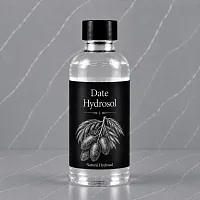
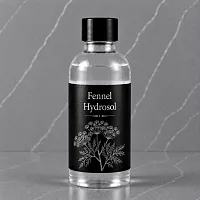
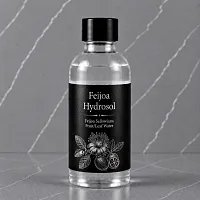
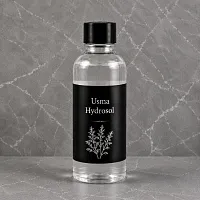
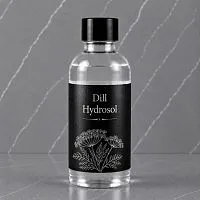

Floral and herbal waters as a base for formulas
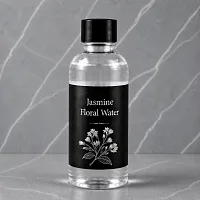
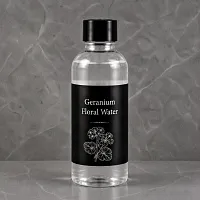
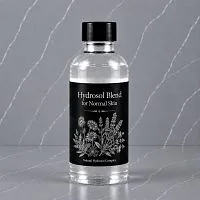
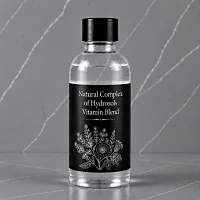
This section brings together hydrosols, the aqueous by-products of steam distillation, supplied in bulk for cosmetic manufacturing. Each hydrosol carries trace amounts of water-soluble plant compounds along with a light aromatic note, making it a gentle carrier for finished formulas. The range covers rose, lavender, chamomile, mint, witch hazel and other botanical waters sourced for consistent batch quality.
Formulators use hydrosols as the water phase in creams, lotions, toners and facial mists, where they replace plain distilled water while adding a mild botanical character to the final product. They also serve as a diluent for active complexes and as a carrier in spray formats, gel bases and after-sun preparations. For manufacturers building out a wider raw material list, hydrosols pair naturally with items from Functional Components and sit alongside the broader Cosmetic Ingredients Wholesale catalog when sourcing a full formulation kit.
Varieties within the range and how they differ
Not every hydrosol behaves the same way in a formula, even though all of them start from the same steam distillation process. Floral waters such as Rose Hydrosol 1 L tend to carry a soft, rounded scent and are often chosen for facial toners and light emulsions where a delicate top note matters. Herbal waters like St. John's Wort Hydrosol 1 L or Yarrow Hydrosol, 1 L lean toward a greener, more herbaceous profile and are usually picked for formulas aimed at combination or oily-leaning skin types.
Fruit-derived options such as Lime Hydrosol 1 L and Raspberry Hydrosol 1 L bring a brighter, fresher note that works well in spray mists and summer-oriented lotions. Spice and root waters, including Cinnamon Hydrosol 1 L and Ginseng Hydrosol 1 L, sit at the more distinctive end of the range and are typically dosed carefully due to their stronger character. Meadow and field waters such as Clover Hydrosol 1 L and Cornflower Hydrosol 1 L round out the catalog with a lighter, more neutral base suited to multi-ingredient blends.
Choosing a hydrosol and building a formula around it
Selection usually starts with the intended finished product rather than the plant itself. A toner or facial mist calls for a hydrosol with a pleasant standalone scent, which is why floral options are common there, while a cream or lotion base can carry a stronger herbal water such as Wormwood Hydrosol 1 L or Chamomile Hydrosol 1 L without the scent dominating the final texture.
In practice, a hydrosol is rarely the only water-soluble ingredient in a formula. It is frequently paired with humectants, water-soluble actives and preservative systems already present in the water phase, and it can sit alongside oil-based ingredients from the Bulk Waxes for Cosmetics line when a formula needs both an aqueous and a lipid component. Because hydrosols are far more dilute than essential oils, they also work well as a gentler carrier when a formulator wants to soften the intensity of a more concentrated ingredient without changing the overall water content of the batch.
Origin and storage
The hydrosols in this catalog are sourced from a mix of origins, including Ukraine, France, England, Poland, the United States, Germany and Thailand, which allows manufacturers to compare batches and choose a supply line that fits their existing formulation standards. Since these are water-based liquids without added stabilizers beyond what is naturally present, they are best kept in a cool, dark place away from direct heat and light, and containers should be closed promptly after each use to limit evaporation and contamination. Buyers working with larger production volumes typically check incoming batches for consistency before committing them to a full formula run.
FAQ
What is the difference between a hydrosol and an essential oil from the same plant?
A hydrosol is the water-soluble fraction collected during steam distillation, containing only trace plant compounds and a light aromatic note. Essential oil is the concentrated lipid-soluble fraction. Hydrosols are far gentler and are used directly in the water phase, unlike oils, which need emulsifying.
Which hydrosol works best as a water phase replacement in a cream or lotion?
Rose, chamomile and lavender waters are commonly chosen for creams and lotions because their aromatic profile is mild and blends well with other actives. Witch hazel is often preferred for toners and after-sun gels due to its lighter, astringent character.
Can hydrosols replace distilled water entirely in a formula?
Yes, most formulators substitute part or all of the distilled water with a hydrosol to add a botanical character. It is worth checking the pH of the specific batch, since this can shift the overall formula stability slightly compared to plain water.
How should floral and herbal waters be stored before use?
Hydrosols should be kept in a cool, dark place, tightly sealed, away from direct sunlight and heat sources. Once opened, use within the manufacturer's suggested timeframe, as microbial growth can occur faster than in preserved finished products.
Do hydrosols need an additional preservative when used in a formula?
Yes, a hydrosol on its own is not preserved to the same standard as a finished cosmetic, so a compatible preservative system should still be included in the final formula to protect against microbial contamination during shelf life.
Recommendations
When choosing a hydrosol for a new batch, match the botanical profile to the formula's purpose: lighter waters such as chamomile or witch hazel suit toners and mists, while rose or lavender waters bring a fuller character to creams and lotions. Check the intended dilution rate and confirm the water phase percentage in your recipe before ordering larger volumes. It is also worth requesting a small sample first to assess scent strength and clarity, since natural variation between batches is normal for distilled botanical waters. To place an order or ask about a specific hydrosol in the range, reach out by email and our team will help confirm availability and batch details.


