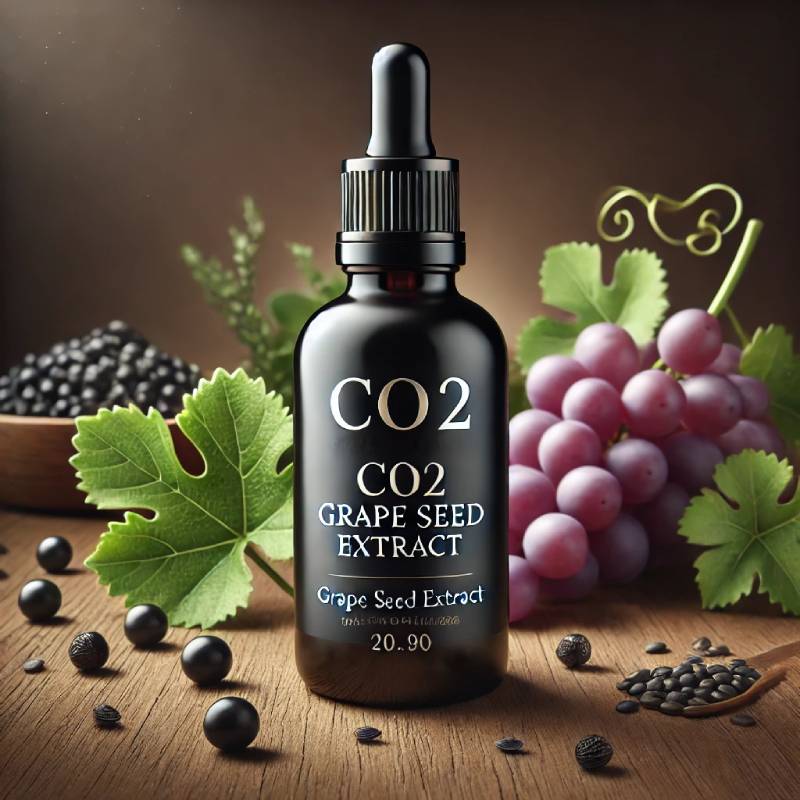
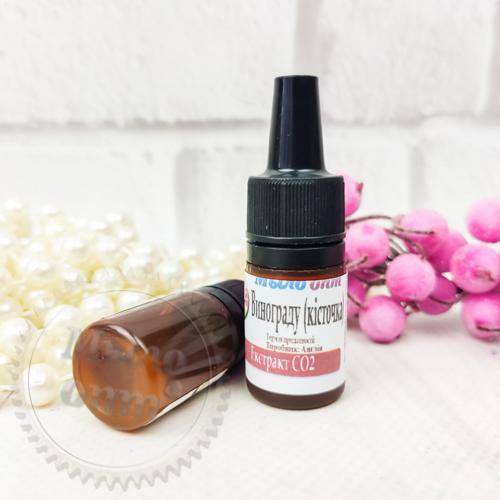
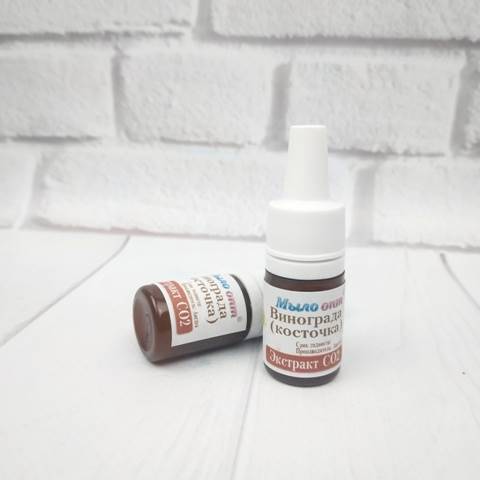
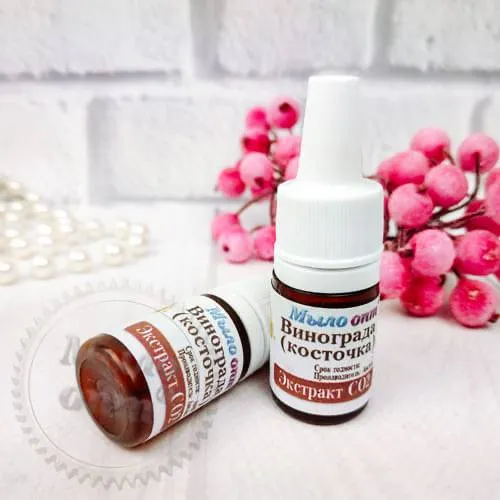
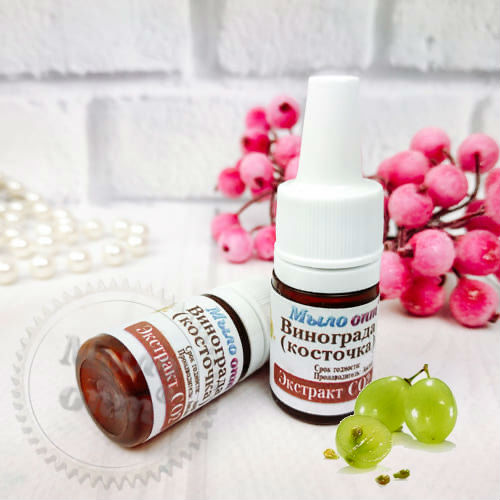
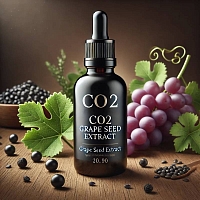
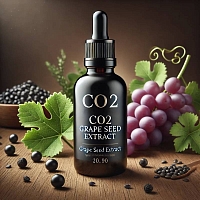
Grape Seed CO2 Extract for cosmetic and personal care formulations
Grape Seed CO2 Extract is a concentrated botanical ingredient developed for cosmetic formulations where antioxidant-focused positioning, lipid nourishment, elegant sensory performance, and a naturally inspired product concept are essential. It is widely incorporated into creams, facial serums, oil blends, balms, massage products, body care, post-cleansing treatments, hair care formulations, and professional SPA cosmetics.
The supercritical CO2 extraction process allows valuable lipophilic plant constituents to be obtained without intensive thermal treatment. This gentle extraction technology makes Grape Seed CO2 Extract an excellent choice for premium cosmetic formulations designed for skin, hair, and body care while emphasizing botanical origin and formulation quality.
The ingredient is highly valued by cosmetic manufacturers because of its versatility. It is suitable for premium facial oils, emulsions, nourishing balms, hand creams, cuticle treatments, body care products, hair masks, and leave-in conditioning formulations.
Purpose in cosmetic formulations
Grape Seed CO2 Extract is incorporated into formulations designed to improve skin conditioning, enrich the lipid phase, support emollient performance, and enhance the overall sensory profile of cosmetic products. It is particularly suitable for formulations where vegetable oils, cosmetic butters, and modern emollients create the foundation of the product.
In creams and emulsions, the extract strengthens the botanical identity of the formulation while complementing the oil phase. In facial oil serums, it becomes part of a carefully balanced lipid complex. In balms and body butters, it contributes to a richer texture and a more sophisticated cosmetic concept.
Hair care products frequently include the extract in masks, conditioners, oil treatments, finishing serums, and leave-in products developed for dry hair ends. It supports formulations designed to improve softness, smoothness, and the cosmetic appearance of the hair fiber.
Applications across cosmetic industries
In skin care, Grape Seed CO2 Extract is suitable for facial creams, overnight formulations, facial oils, nourishing balms, neck and décolleté treatments, and products designed for dry or mature-looking skin. It combines effectively with vegetable oils, squalane, tocopherol, cosmetic waxes, butters, and lightweight emollients.
In body care, the ingredient is incorporated into massage oils, body creams, body butters, after-shower balms, hand creams, and foot care products. These formulations benefit from a richer texture and a premium botanical profile.
In hair care, the extract is widely used in conditioning masks, oil complexes, leave-in conditioners, finishing fluids, and products developed for dry, porous, color-treated, or environmentally stressed hair.
Professional SPA products often include Grape Seed CO2 Extract in massage oils, body wraps, botanical treatment blends, and luxury wellness rituals centered around naturally derived cosmetic ingredients.
Compatibility with cosmetic ingredients
Grape Seed CO2 Extract blends well with Grape Seed Oil, Sweet Almond Oil, Jojoba Oil, Squalane, Macadamia Oil, Shea Butter, Cocoa Butter, Mango Butter, Tocopherol, Phytosterols, vegetable waxes, and a broad range of modern cosmetic emollients.
In emulsions, the extract may be incorporated into the oil phase or introduced during the cooling stage depending on the formulation process and the thermal stability of the selected ingredients. In anhydrous formulations, it integrates easily into lipid-based systems.
To strengthen antioxidant-oriented product concepts, the extract may be combined with Vitamin E, Rosemary CO2 Extract, Coenzyme Q10, unsaturated vegetable oils, and other compatible lipid ingredients.
SPA formulations frequently combine the extract with fruit-inspired, grape, woody, vanilla, herbal, and sophisticated botanical fragrance compositions. During product development, the natural aroma and color of the extract should be considered to maintain a balanced sensory profile.
How to use Grape Seed CO2 Extract
The incorporation method depends on the finished cosmetic product. In anhydrous oil formulations, the extract is added directly to the prepared lipid phase and mixed until completely uniform.
In creams and emulsions, the ingredient should be incorporated according to the selected manufacturing process. When formulations contain temperature-sensitive botanical materials, excessive heating should be avoided, and part of the active lipid phase may be added during the cooling stage.
In balms, body butters, and massage bars, the extract is introduced after waxes and butters have completely melted and the mixture has become homogeneous while avoiding unnecessary overheating. This approach helps preserve ingredient quality and ensures even distribution throughout the formulation.
Hair care formulations may include the extract within the oil phase of masks, conditioners, serums, and leave-in treatments. For lightweight leave-in products, the total lipid content should remain carefully balanced to preserve pleasant sensory characteristics.
Example facial oil serum formulation
Squalane 400 g
Grape Seed Oil 250 g
Jojoba Oil 180 g
Sweet Almond Oil 120 g
Grape Seed CO2 Extract 20 g
Vitamin E 10 g
Coenzyme Q10 5 g
Fragrance Composition 5 g
Lightweight Emollient 10 g
Total Batch Weight 1000 g
Combine the Squalane, Grape Seed Oil, Jojoba Oil, and Sweet Almond Oil until a completely homogeneous lipid phase is obtained.
If required by the selected raw materials, pre-disperse the Coenzyme Q10 in part of the oil phase. Add the Grape Seed CO2 Extract, Vitamin E, Lightweight Emollient, and Fragrance Composition while mixing continuously.
Mix the finished serum thoroughly until completely uniform and package into clean, dry containers. Evaluate the formulation for appearance, clarity or homogeneity, fragrance profile, color consistency, storage stability, and sensory performance.
This formulation serves as an example of product development and may require adjustment depending on the selected oils, emollients, botanical ingredients, fragrance composition, and desired product texture.
Quality control and formulation stability
Products containing CO2 botanical extracts should be evaluated for lipid phase quality, color stability, fragrance consistency, and the absence of unwanted sediment. Oil-based formulations should also be monitored for oxidative stability, with an appropriate antioxidant strategy selected for the complete formulation.
For emulsions, compatibility with emulsifiers, vegetable oils, waxes, preservation systems, and fragrance compositions should be confirmed during laboratory development. Finished products should be assessed immediately after production and throughout stability testing.
Professional cosmetic manufacturers are encouraged to document processing temperatures, ingredient addition sequence, mixing procedures, and batch parameters to maintain consistent product quality during production scale-up.
Grape Seed CO2 Extract is an excellent ingredient for natural cosmetics, professional skin care, premium SPA formulations, hair care, and lipid-rich botanical products where plant origin, antioxidant-focused positioning, refined sensory performance, and modern cosmetic formulation principles are key development priorities.