Sourcing and specification details
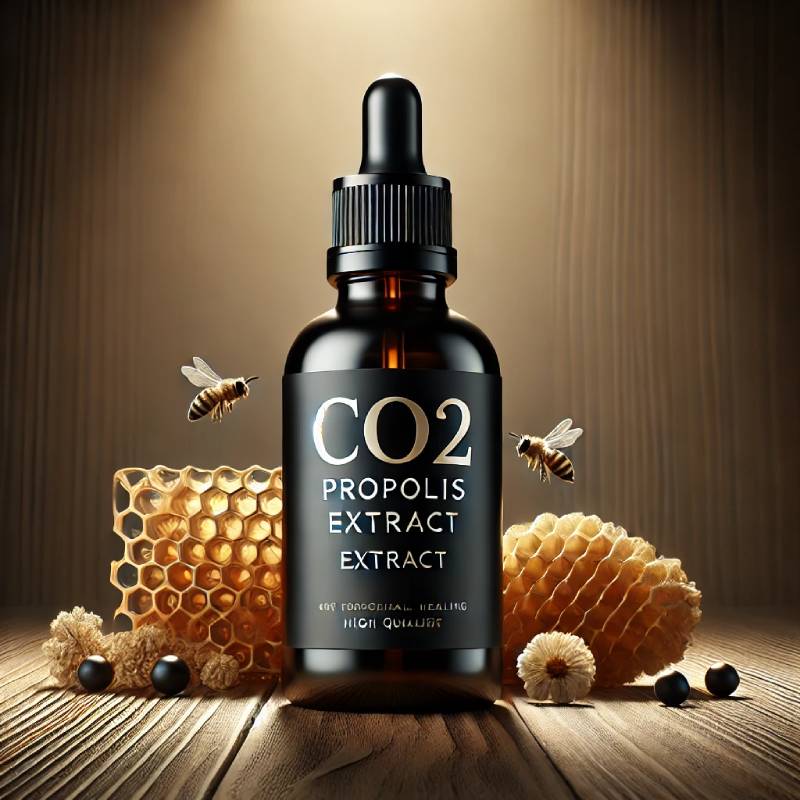
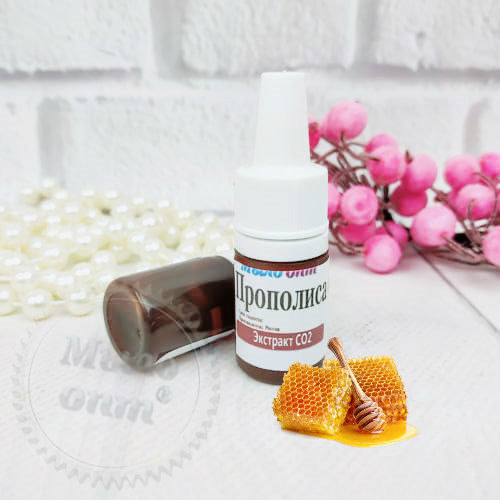
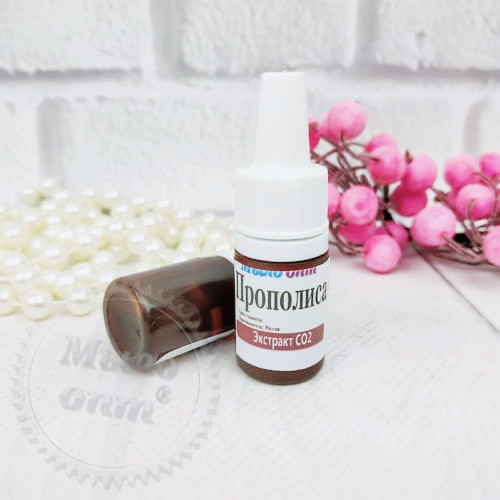
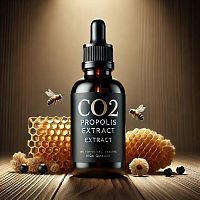
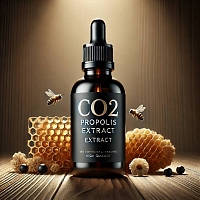
Propolis CO2 extract originates from Ukraine and arrives as an oily liquid with INCI propolim. The 1 kg packaging suits both pilot batches and larger production runs. The composition contains resinous acids and alcohols, artepillin, phenols, tannins, wax, essential oils and flavonoids. Buyers in supplement and food manufacturing review these parameters first when selecting botanical inputs. CO2 Extracts Wholesale provides direct access to bulk options.
Technical parameters for formulation
The extract dissolves in oils and lipids, allowing addition at levels from 0.01 to 2 percent. Recommended processing temperature stays below 40 degrees Celsius to preserve volatile fractions. Shelf life reaches 11.2028 when stored in closed containers in a cool, light-protected area.
Integration in cosmetic laboratories
Cosmetic labs incorporate the material into creams, serums and body products during the lipid phase. It supports development of toners and masks where lipid solubility is required. Propolis CO2 Extract 100 g serves as an entry quantity for compatibility testing.
Example hair tonic formulation
A sample scalp tonic for 500 g batch uses 480 g distilled water, 15 g glycerin, 3 g emulsifier and 2 g propolis CO2 extract. The extract is premixed with the emulsifier, added after cooling to 35 degrees and stirred until uniform. The finished tonic is filled into spray bottles for application.
Role in dietary supplements and food production
Supplement manufacturers and food industry factories purchase this extract as botanical raw material for functional blends, beverages and confectionery items. Private formulators and wholesale customers worldwide order retail and bulk quantities to build their own food-grade compositions. Extracts Wholesale supports planning of recurring supply for international clients.
Storage recommendations
Keep containers sealed and away from light in a cool environment. The product maintains its properties for at least two years under these conditions, matching the printed best-before date.
Frequently asked questions
What phase is used for addition?
The extract enters the lipid phase after the emulsion cools below 40 degrees Celsius to retain its characteristic profile.
Is the material suitable for clear formulations?
Due to its oily nature, it works best in opaque or emulsified systems rather than fully transparent solutions.
Can it be combined with other botanical extracts?
Yes, it blends with most lipid-soluble CO2 extracts within the stated dosage range without affecting stability.