Product Description
Sourcing and specification details
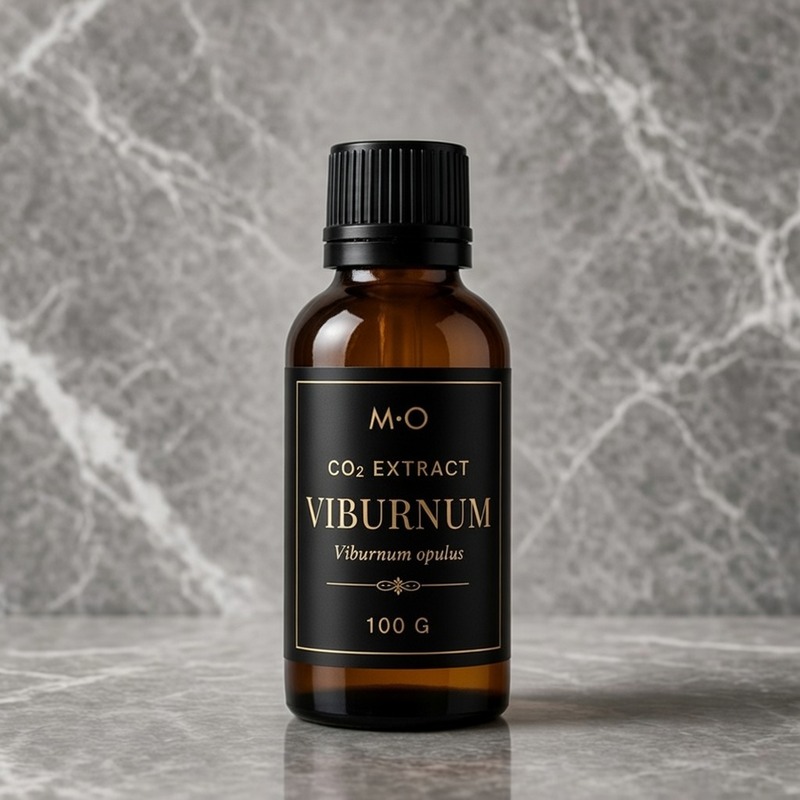
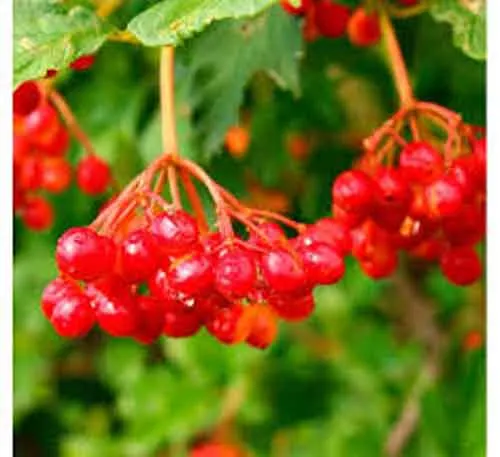
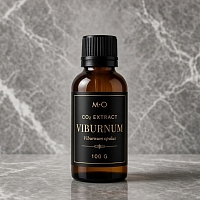
CO2 Viburnum Extract 100 g is produced from fruits of Viburnum opulus L. grown in Ukraine. The supercritical CO2 process yields an oily yellow mass with a light yellowish-orange tint containing flavonoids, carotenoids, phytosterols and fatty acids. The material is fully fat-soluble and packed in transport containers. CO2 Extracts Wholesale supplies this ingredient to cosmetic labs and supplement manufacturers worldwide.
Technical parameters for formulation
Recommended input level is 0.5-3 % added to the oil phase below 40 °C. The extract integrates easily into emulsions and anhydrous systems without sedimentation. Shelf life reaches at least two years when stored sealed, cool and protected from light. Supplement and food factories source it as botanical raw material for dietary supplements and functional foods such as beverages and confectionery.
Use in cosmetic laboratories
Formulators incorporate the extract into creams, serums, toners and hair masks to refresh and tone the skin. It supports texture and sensory profile in bath products. Extracts Wholesale supports consistent supply for international production lines.
Role in dietary supplement and food production
Supplement and confectionery manufacturers purchase the extract as a botanical raw material for functional beverages, dry blends and confectionery items. It contributes carotenoids and fatty acids to the final composition while remaining strictly a food-grade ingredient without health claims.
Example laboratory blend for capsules
Combine 2 % extract with 25 % pumpkin seed oil, 45 % rosehip powder and 28 % sunflower lecithin. Homogenize at room temperature and fill into capsules or sachets. Dosage in the finished product follows internal specifications of the manufacturer.
Storage conditions and stability
Keep in original sealed packaging in a dry cool place. Best before December 2028. After opening, consume within twelve months under proper storage.
Frequently asked questions
Is the extract compatible with water-based systems?
Only when an emulsifier is present; direct addition to aqueous phases is not recommended.
What documentation accompanies bulk orders?
Current documents for this product are listed in the «Documents» block of the product card.
Can the material be used above 40 °C?
No, elevated temperatures may affect the carotenoid profile.