-
 Absolutes
-
 Active Complexes
-
 Actives & Peptides
-
 Amino Acids & Proteins
-
 Food Flavors
-
 Ayurvedic Ingredients & Herbs
-
 Vitamins & Coenzymes
-
 Chocolate Making Supplies
-
 Thickeners & Gelling Agents
-
 Hydrosols & Floral Waters
-
 Hydrolyzed Proteins
-
 Fragrance Ingredients
-
 Nutraceutical Ingredients
-
 Acids, Salts, Alcohols & Alkalis
-
 Preservatives & Antioxidants
-
 Cosmetic Ingredients
-
 Colorants, Micas & Glitters
-
 Masks, Scrubs & Botanicals
-
 Oils & Butters
-
 Candle Making Supplies
-
 Melt and Pour Soap Bases
-
 Cream, Lotion & Hair Care Bases
-
 Fragrance Oils & Industrial Aromatics
-
 Cleansing Agents & Surfactants
-
 Peeling Actives & Acids
-
 Cosmetic Powders
-
 Solvents & Humectants
-
 Silicones & Conditioning Agents
-
 Bottles, Jars & Vials
-
 Silicone & Plastic Molds, Tools
-
 Botanical Extracts
-
 Cosmetic Emollients
-
 Emulsifiers
-
 Essential Oils


New Zealand card Latvia wholesale
 Add to cart
 Subscribe


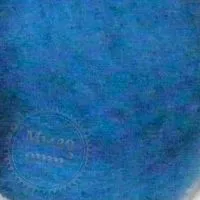

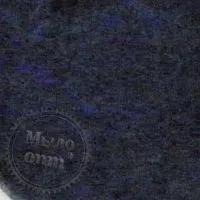
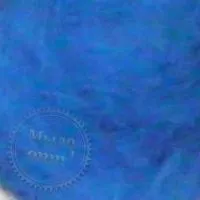

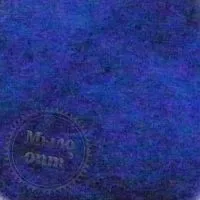
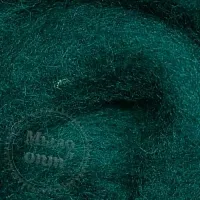
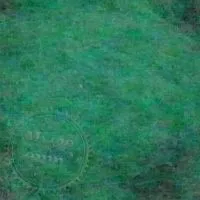
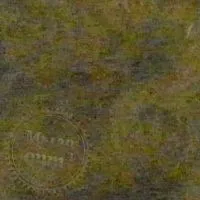

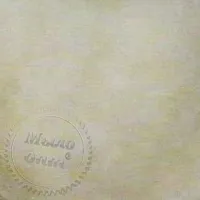
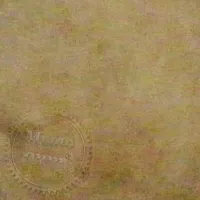
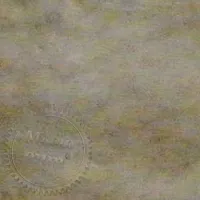
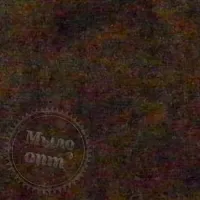
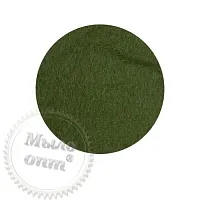
Carded fiber for felting projects and craft production
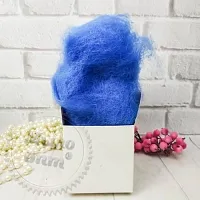
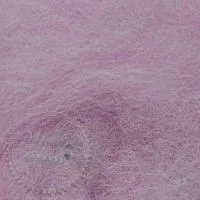
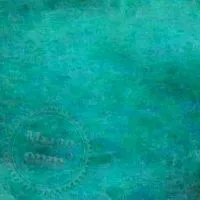
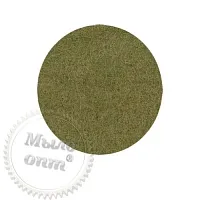
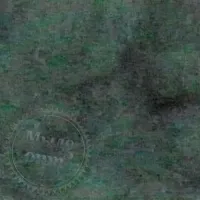
This section offers New Zealand wool carded and distributed through Latvia, supplied as loose, aligned fiber ready for felting work. The carding process opens and straightens the fibers into a soft, airy batt, making it easier to layer, blend colors and build shapes without extra preparation. Buyers can choose from various dyed and natural shades suited to different textile and craft techniques.
Carded wool like this is used far beyond a single technique. It works for wet felting flat panels, needle felting three dimensional figures, wrapping cores for beads or ornaments, and blending fiber for spinning or mixed media art. Many buyers also combine it with other fiber types, such as merino carded wool 19 microns for softer surface layers or Bergschaf wool for firmer structural cores, depending on the density and texture a project calls for.
Grades and micron differences
Carded fiber batts are not all the same weight or hand feel. Finer grades produce a smoother, denser surface once felted, while coarser wool holds its shape better and felts faster under a needle. Within this category, buyers can move between a soft, fine option like merino card 18 micron wholesale and firmer batts depending on whether the project needs a smooth outer layer or a sturdy base.
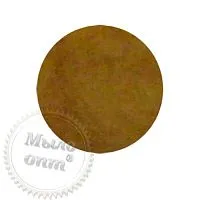
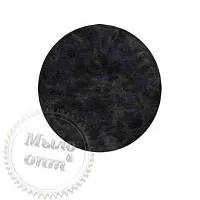
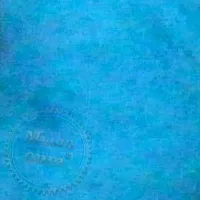
Color range matters just as much as fiber grade. Natural, undyed batts suit projects where a raw, organic look is wanted, while dyed lots let buyers plan multi-color layering in advance rather than dyeing fiber themselves after carding. Two ready examples from current stock, New Zealand Card 006, 1 kg and New Zealand Card 211, 1 kg, show how the same base fiber comes packaged in different shades for direct use.
Choosing a grade and pairing fibers in a project
Selection usually comes down to three things: the technique, the desired surface, and how much structure the finished piece needs. Wet felting flat pieces or fabric benefits from an even, well opened batt that shrinks uniformly, while sculptural needle felting often needs a firmer core wrapped in a softer outer layer for detail work.
Layering fiber types is common practice rather than an exception. A dense, coarser wool can form the internal shape of a figure or bead, then a top layer of finer carded fiber smooths the visible surface and takes color and detail better. Buyers building a supply list often look at the full carded wool wholesale range together, mixing grades and colors from one order instead of sourcing each separately.
Origin and storage
The wool in this section originates from New Zealand and is carded and distributed through Latvia, giving a consistent, pre-processed fiber ready to use without additional carding equipment on the buyer's side.
Loose carded fiber should be kept dry and away from direct sunlight, which can fade dyed batts over time. Storing it in sealed bags or containers also protects the open fiber structure from compacting or picking up dust before it reaches a workbench.
FAQ
What is carded wool used for
Carded wool is a versatile fiber base for wet felting, needle felting, spinning, and mixed media crafts. Its opened, aligned structure makes it easy to layer for flat panels, sculpt into three dimensional figures, wrap around cores for beads and ornaments, or blend with other fibers for custom textures and colors.
What is the difference between carded wool and roving
Carded wool is processed into a loose, airy batt with fibers running in mixed directions, giving it a soft, workable texture ideal for felting and blending. Roving has fibers combed into a parallel alignment, making it smoother and better suited for spinning fine, even yarn.
Can different wool grades be mixed together
Yes, blending grades is common practice. Finer, softer fiber can form smooth outer layers while coarser wool builds a firmer core or base shape underneath. Combining textures this way lets makers control both the surface finish and the structural strength of a finished felted piece.
How should carded wool batts be stored
Keep carded wool batts dry, away from direct sunlight, and stored loosely in breathable bags or boxes rather than compressed containers. Avoiding moisture and tight packing helps preserve the fiber's loft and prevents premature matting before it reaches the felting or spinning stage.
Recommendations
Choosing the right batt comes down to matching fiber grade to the task at hand: finer, softer wool suits smooth outer surfaces and delicate detailing, while coarser fiber holds shape and speeds up needle felting for bases and cores. Consider color range, batt weight, and how the fiber will be layered or blended with other materials before settling on a quantity. For guidance on selecting grades or planning a larger order, reach out by email and our team will help match the fiber to your production needs.


