-
 Absolutes
-
 Active Complexes
-
 Actives & Peptides
-
 Amino Acids & Proteins
-
 Food Flavors
-
 Ayurvedic Ingredients & Herbs
-
 Vitamins & Coenzymes
-
 Chocolate Making Supplies
-
 Thickeners & Gelling Agents
-
 Hydrosols & Floral Waters
-
 Hydrolyzed Proteins
-
 Fragrance Ingredients
-
 Nutraceutical Ingredients
-
 Acids, Salts, Alcohols & Alkalis
-
 Preservatives & Antioxidants
-
 Cosmetic Ingredients
-
 Colorants, Micas & Glitters
-
 Masks, Scrubs & Botanicals
-
 Oils & Butters
-
 Candle Making Supplies
-
 Melt and Pour Soap Bases
-
 Cream, Lotion & Hair Care Bases
-
 Fragrance Oils & Industrial Aromatics
-
 Cleansing Agents & Surfactants
-
 Peeling Actives & Acids
-
 Cosmetic Powders
-
 Solvents & Humectants
-
 Silicones & Conditioning Agents
-
 Bottles, Jars & Vials
-
 Silicone & Plastic Molds, Tools
-
 Botanical Extracts
-
 Cosmetic Emollients
-
 Emulsifiers
-
 Essential Oils


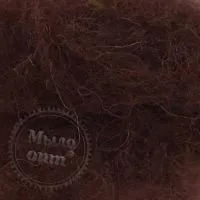
Merino card 18 micron wholesale
 Subscribe

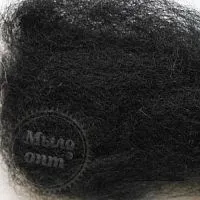




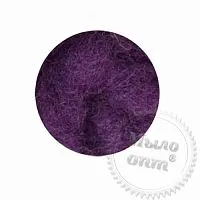


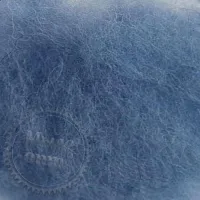

Fine carded fiber for felting and textile crafts
This section covers carded merino wool with a fiber diameter of 18 microns, a fine and soft grade prepared for needle felting, wet felting and mixed textile projects. The carding process opens and aligns the fibers into a light, airy batt that is easy to pull apart and layer, making it a practical base material for both hand crafting and small workshop production.
The fine micron count gives this wool a notably soft handle compared to coarser carded fibers, which is why it suits detailed surface work such as shaping figures, blending color layers, or building smooth outer coats on felted objects. Workshops producing decorative items, toys, or textile accessories often keep this grade on hand alongside slightly coarser options like merino carded wool 19 microns, choosing between the two depending on how much surface definition a piece needs. For projects where wool origin and staple character matter, some buyers compare this batch against New Zealand card from Latvia before settling on a final material list.
Grades and how they differ
Carded wool for feltmaking is sorted primarily by fiber diameter, and that number changes how a batt behaves in the hand. This 18 micron grade sits on the finer end of the carded range, giving a soft, almost downy feel that pulls apart into thin, even layers rather than clumping into thick tufts. Coarser batches, such as Bergschaf carded wool, hold their shape more firmly and resist needle penetration differently, which makes them better suited to structural cores rather than fine surface detail.
Within the broader wholesale carded wool range, buyers usually keep a few micron grades in stock at once. A finer batt like this one is chosen for blending subtle color gradients or finishing a smooth outer layer, while a firmer batt gives a project its underlying bulk. Seeing the full spread of options side by side in the wholesale carded wool section makes it easier to plan a stock list that covers both roles without over-ordering a single grade.
Choosing a grade and building a material set
The main criterion for choosing carded wool is how much fiber definition the finished surface needs. Fine, low-micron batts pull thin and layer smoothly, so they work well wherever a soft, blended finish matters, whether that is a felted decorative object, a textile accessory, or a small figure with rounded contours. A slightly coarser batt is picked when the piece needs more structure or when fibers need to felt down quickly into a firm base.
Buyers producing on a workshop scale often combine this fine carded wool with a coarser grade in the same order, using one for the core and the other for the visible layer. Because carding leaves the fiber loose and open, both grades are easy to tear into consistent amounts, which matters for anyone repeating the same design across a batch of items rather than making one piece at a time.
Storage and sourcing notes
Carded batts should be kept dry and away from direct sunlight, loosely packed so the fiber does not compress into a dense mat before use. Compression makes the wool harder to pull apart evenly later, which slows down layering work regardless of the micron grade. As with other carded wool grades in this catalog, no specific country of origin is listed for this batch, so buyers comparing sourcing details across grades should check each product listing individually rather than assume a shared origin across the section.
FAQ
What is 18 micron carded wool used for
This fine carded batt suits needle felting, wet felting and mixed textile projects that call for a soft handle and smooth surface finish. Crafters use it for figures, decorative pieces, toys and layered color work where fine detail and gentle drape matter more than bulk.
How is 18 micron wool different from coarser carded grades
Lower micron numbers mean thinner, softer fibers with a smoother feel, while coarser batts hold shape better and show more texture on the surface. Many workshops keep both on hand, using the finer grade for outer layers and detail work and a coarser one for structure underneath.
How should carded wool batts be stored
Keep carded wool in a dry space away from direct sunlight and moisture, loosely packed rather than compressed, to preserve its lofty structure. Sealed bags or bins with a few cedar blocks or lavender sachets help deter moths during longer storage periods.
Can different wool origins or batches be blended in one project
Yes, blending batches with similar micron counts is common practice and lets crafters fine tune color, softness and coverage for a specific piece. Slight variations between batches in handle or shade are normal for a natural fiber and rarely affect the felting result.
Recommendations
When choosing a carded wool batt, match the micron count to the level of surface detail your project needs, finer grades for smooth outer layers and softer handle, coarser grades where more structure is useful. Check batt density and how easily it pulls apart, since overly compressed fiber can be harder to layer evenly. For larger workshop orders, request a sample batch first to confirm handle and color consistency before committing to a full order by email.


