-
 Absolutes
-
 Active Complexes
-
 Actives & Peptides
-
 Amino Acids & Proteins
-
 Food Flavors
-
 Ayurvedic Ingredients & Herbs
-
 Vitamins & Coenzymes
-
 Chocolate Making Supplies
-
 Thickeners & Gelling Agents
-
 Hydrosols & Floral Waters
-
 Hydrolyzed Proteins
-
 Fragrance Ingredients
-
 Nutraceutical Ingredients
-
 Acids, Salts, Alcohols & Alkalis
-
 Preservatives & Antioxidants
-
 Cosmetic Ingredients
-
 Colorants, Micas & Glitters
-
 Masks, Scrubs & Botanicals
-
 Oils & Butters
-
 Candle Making Supplies
-
 Melt and Pour Soap Bases
-
 Cream, Lotion & Hair Care Bases
-
 Fragrance Oils & Industrial Aromatics
-
 Cleansing Agents & Surfactants
-
 Peeling Actives & Acids
-
 Cosmetic Powders
-
 Solvents & Humectants
-
 Silicones & Conditioning Agents
-
 Bottles, Jars & Vials
-
 Silicone & Plastic Molds, Tools
-
 Botanical Extracts
-
 Cosmetic Emollients
-
 Emulsifiers
-
 Essential Oils


Polymer clay Fimo Soft

 Subscribe


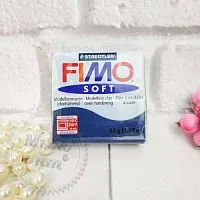





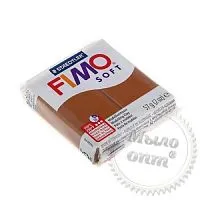
Soft oven bake clay for figures decor and mixed media work
Fimo Soft is an oven bake polymer clay valued for its pliable texture straight out of the pack, which means less time spent warming and kneading before a project can start. This section covers the Fimo Soft range in various colors and pack sizes, suited to figurines, jewelry components, decorative embellishments, and mixed media surface work. It stays workable in cooler workshop conditions where firmer clays tend to crack or resist blending.
Crafters use this clay for miniature sculpting, charm making, home decor accents, and layered color effects achieved by blending two or more shades together. Because it softens easily by hand, it also suits classroom and workshop settings where quick setup matters. For projects that call for a slightly firmer, more structured clay instead, the Fimo Effect polymer clay range offers textured and metallic finishes, while Fimo Air Natural clay is a good option for pieces that need to air dry without an oven at all.
Range differences within the Fimo Soft lineup
The Fimo Soft range spans single color blocks and mixed sets, so the main difference between items is pigment saturation and the way a shade behaves once blended. Bright pastels and translucent tones tend to soften a touch faster than deep saturated colors, which matters when a piece calls for fine detail work rather than broad shaping.
Pack size is the other variable worth checking before ordering. Smaller blocks suit sampling a new color or topping up a single shade that ran low, while a Fimo Soft set gives a ready color spread for a workshop or a first-time buyer who has not settled on a favorite palette yet.
Choosing between clay types and building a workflow
Selection usually comes down to how much working time a project needs and whether the piece will go into an oven at all. Fimo Soft is the pick when a maker wants immediate pliability and smooth color blending straight from the block, without extra conditioning steps.
For pieces built on firmer, denser clay with a longer working session, the Fimo Classic polymer clay line or a Fimo Classic set is worth comparing against Soft before ordering. Studio and production settings that need consistent batch behavior across many blocks often look at the Fimo Professional line instead, since it is built for repeatable results across larger runs of figures or components.
When a project needs to skip the oven step entirely, whether for time constraints or a classroom without baking equipment, Fimo Air clay air dries on its own, and a Fimo Air Microwave option or its matching Fimo Air Microwave set speeds that curing time further. Makers focused on doll and figure work sometimes prefer the tone range built into the Fimo Puppen line, since its shades are matched for skin tone blending rather than general decor colors.
Storage and handling notes
Unbaked clay should stay away from direct heat and prolonged sun exposure, since warmth accelerates softening well past a workable state and can affect color stability in lighter shades. Keeping blocks wrapped and stored flat helps prevent shape distortion between sessions.
Mixed color scraps are worth keeping in labeled containers rather than combined loosely, since remelting unclear blends later makes matching an original shade difficult. This applies whether the clay is destined for jewelry components, decorative figures, or accent pieces meant for candles, soap toppers, or other craft surfaces alongside the main project.
FAQ
Is Fimo Soft clay suitable for beginners
Yes. Its ready to use texture requires minimal kneading, so first time crafters get workable clay faster than with firmer polymer clay lines. This makes it a common choice for classroom projects, first attempts at figurines, and quick charm making sessions where setup time matters.
Can different Fimo Soft colors be mixed together
Yes. Blending two or more blocks is a common way to build custom shades, gradient effects, and marbled patterns. Since the clay stays soft and pliable, colors combine evenly by hand without needing extra heat or conditioning tools.
How should oven bake polymer clay be stored between projects
Keep unused clay wrapped or in a sealed container, away from direct heat and sunlight, and separated from PVC surfaces such as some plastic bags or trays, which can cause discoloration over time. Cool, stable conditions help preserve its soft texture longest.
What is the difference between Fimo Soft and Fimo Effect clay
Fimo Soft has a smoother, more pliable base suited to detailed sculpting and easy blending, while Fimo Effect includes textured, metallic, or glittery finishes for surface interest. Many crafters combine both ranges within a single decorative piece.
Recommendations
Choose pack size based on project scale: single color blocks work well for small figurines or charms, while mixed sets suit projects that call for several shades or blended tones. Check pigment saturation against your intended finish, since lighter colors often need more layering to reach full opacity. For bulk orders or questions about available colors and pack quantities, reach out by email and our team will help match the right selection to your workshop needs.


