-
 Absolutes
-
 Active Complexes
-
 Actives & Peptides
-
 Amino Acids & Proteins
-
 Food Flavors
-
 Ayurvedic Ingredients & Herbs
-
 Vitamins & Coenzymes
-
 Chocolate Making Supplies
-
 Thickeners & Gelling Agents
-
 Hydrosols & Floral Waters
-
 Hydrolyzed Proteins
-
 Fragrance Ingredients
-
 Nutraceutical Ingredients
-
 Acids, Salts, Alcohols & Alkalis
-
 Preservatives & Antioxidants
-
 Cosmetic Ingredients
-
 Colorants, Micas & Glitters
-
 Masks, Scrubs & Botanicals
-
 Oils & Butters
-
 Candle Making Supplies
-
 Melt and Pour Soap Bases
-
 Cream, Lotion & Hair Care Bases
-
 Fragrance Oils & Industrial Aromatics
-
 Cleansing Agents & Surfactants
-
 Peeling Actives & Acids
-
 Cosmetic Powders
-
 Solvents & Humectants
-
 Silicones & Conditioning Agents
-
 Bottles, Jars & Vials
-
 Silicone & Plastic Molds, Tools
-
 Botanical Extracts
-
 Cosmetic Emollients
-
 Emulsifiers
-
 Essential Oils
- Water-Soluble Oils Wholesale 25
- Bulk Liquid Oils 297
- Natural Oil Complexes Wholesale 58
- Bulk Oils 27
- Herbal Oil Extracts and Infusions Wholesale 16
- Massage Oils Wholesale 17
- Macerated Oils Wholesale 30
- Carrier Oil Blends Wholesale 71
- Solid Oils and Butters Wholesale 78
- Solid Oils and Butters Bulk Wholesale 10
- Fermented Oils Wholesale 8
- Natural Essential Oils Wholesale 769


Natural Essential Oils Wholesale

 Add to cart


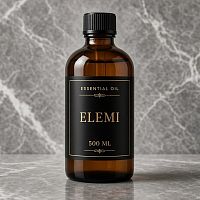

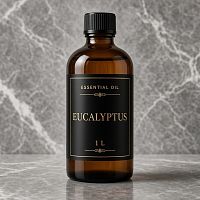


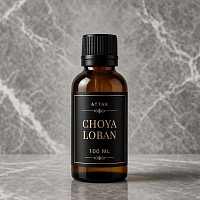


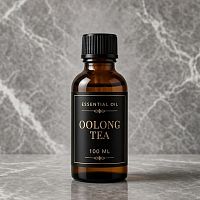




Aromatic and functional ingredients for finished formulas
This section brings together concentrated plant extracts steam distilled or cold pressed from leaves, flowers, peels, resins and seeds. Each oil carries its own aromatic profile and a mix of volatile compounds that formulators rely on for scent, texture behavior and shelf stability across a wide range of finished products.
Formulators use these oils across an unusually broad range of formats, from facial serums and body oils to shampoo bars, lotions, balms and clay masks. Some are chosen for their scent alone, others for how they interact with carrier oils or support the sensory feel of an emulsion. Alongside them, our Vegetable Oils Wholesale range and Solid Oils and Butters Wholesale selection are commonly blended with essential oils to build a complete base for a cream, balm or body care product.
Because each botanical source behaves differently under heat, light and oxygen, the right storage and dosage vary a lot from one oil to the next, which is exactly what the sections below walk through in detail.
Citrus, floral and woody profiles compared
Citrus oils such as Grapefruit Essential Oil 1 L, Lemon Essential Oil 1 L, Mandarin Essential Oil 1 L and Orange Essential Oil 1 L are cold pressed from peel and tend to oxidize faster than distilled oils, so formulators usually add them close to the cooling stage of a batch. Floral extracts like Rose Damask Essential Oil 50 ml are produced in far smaller volumes per plant, which explains why they are typically packaged in 50 ml sizes rather than liters.
Woody and herbaceous oils behave differently again. Cedar Essential Oil 1 L and Rosewood essential oil, 1 L carry heavier, more stable molecules that hold their scent longer in a finished balm, while Peppermint Essential Oil ,1 L and Myrtle Essential Oil 500 ml bring a sharper, cooling top note that fades faster and is usually paired with a fixative oil underneath it.
Matching an oil to a formula and building a blend
The starting point is always the function you need: a top note for immediate scent impact, a middle note that carries the blend, or a base note that anchors everything else once the lighter fractions evaporate. Lemongrass Essential Oil 1 L and Litsea Cubeba Essential Oil 1 L (also available as Litsea Cubeba Essential Oil 500 ml) share a similar lemony brightness but differ in intensity, which matters when a formulator is dosing by weight rather than by drops.
Because these oils are concentrated, they are almost never used on their own. Most rely on a carrier from our Base Oil Blends Wholesale range to dilute the aromatic load and adjust how a serum or body oil spreads on skin. Some formulators prefer working from a gentler intermediate instead of the pure distillate, and our Macerates Wholesale selection covers exactly that middle step for recipes that need a softer aromatic presence.
Origin, packaging and storage
Depending on the botanical source, oils in this range come from suppliers based in Germany, Italy, India, the United Kingdom, Indonesia, Mexico, Egypt and China, reflecting where each plant grows and is processed most efficiently. Neroli Essential Oil 500ml and Lavender Essential Oil 500 ml illustrate the two common package sizes stocked here, 500 ml for steady production runs and 1 liter for higher volume manufacturing.
All of these extracts are sensitive to heat, direct light and prolonged air exposure, which gradually change their chemical profile and weaken the scent. Sealed containers stored in a cool, dark place keep the aromatic compounds intact far longer than bottles left near a window or a heat source, a detail worth building into any storage routine for a working lab or production floor.
FAQ
What are essential oils used for in cosmetic formulas
They add fragrance and can influence texture, preservation and sensory feel in creams, balms, serums, shampoo bars and clay masks. Each botanical extract brings its own volatile compound profile, so formulators choose oils based on scent character and how they behave in a given base.
How much essential oil should be added to a cosmetic base
Dosage depends on the oil and the finished product type, typically ranging from a fraction of a percent to a few percent of total formula weight. Citrus and floral oils are usually more potent and used sparingly, while some woody oils allow slightly higher concentrations.
Can essential oils be mixed with carrier oils and butters
Yes, blending with vegetable oils or solid butters is a common way to dilute concentrated extracts and build a stable base for balms, body oils and lotions. The carrier choice affects absorption speed and the overall sensory finish of the product.
How should essential oils be stored to keep their quality
Keep bottles tightly closed, away from direct light and heat, ideally in a cool and dry place. Citrus oils oxidize faster than resins or woody extracts, so smaller working bottles and shorter open exposure help preserve their aromatic profile longer.
Do citrus and floral essential oils behave differently in formulas
Yes, citrus oils tend to be lighter, more volatile and prone to faster oxidation, while floral and woody oils are often more stable and linger longer in a finished scent. This affects both dosage and how each oil is layered within a blend.
Can essential oils be combined with each other in one formula
Combining oils from different families, such as citrus with woody or floral notes, is common practice to build a more complex and balanced scent profile. Testing small blends first helps confirm how the combined aromatic compounds interact before scaling up a batch.
Recommendations
When choosing an essential oil for a specific formula, start with the finished product type: lighter citrus and floral notes tend to suit serums, lotions and body oils, while denser woody and resinous oils often hold up better in balms and solid formats. Check how the oil is meant to be paired, since many blends rely on a carrier oil or butter to balance concentration and improve spreadability. Bottle size matters too, smaller volumes reduce oxidation risk for oils that degrade faster once opened. If you are working on a new batch and want guidance on picking the right profile or volume for your production scale, reach out by email and our team will help match a suitable option to your formula.



