A comprehensive technical formulation guide dedicated to managing rheology in cosmetics using the natural polysaccharide AMIGEL (Sclerotium Gum). This article explores the physical mechanisms of polymer hydration and network formation for structuring clear gels, light emulsions, and particle-suspending fluids. It covers pre-dispersion in polyols, electrolyte stability, shear rate handling, incompatibility limits, thermal limits, and precise pH controls. Features three complete DIY recipes with step-by-step compounding instructions and cold storage standards.
A comprehensive technical formulation guide dedicated to utilizing the bio-based film former Natpure Film AP (derived from sugar cane) in color cosmetics and hair care. This article breaks down the physical mechanics of flexible film creation, moisture resistance, and pigment adhesion enhancement. It covers aqueous dissolution protocols, compatibility with natural polymers and gums, thermal boundaries, and precise pH controls. Features three complete DIY recipes with step-by-step compounding instructions and storage standards.
A comprehensive technical formulation guide to designing skin barrier restoration creams and liposomal fluids using ViableCare LipoCare 8. This article breaks down the physiological mechanism of ceramide integration into stratum corneum lipids to stop transepidermal water loss. It details exact processing protocols to protect liposomal structures, low-shear cooling phase entry below thirty degrees Celsius, emulsifier compatibility, and pH boundaries. Features three complete DIY recipes with step-by-step compounding instructions and cold storage standards.
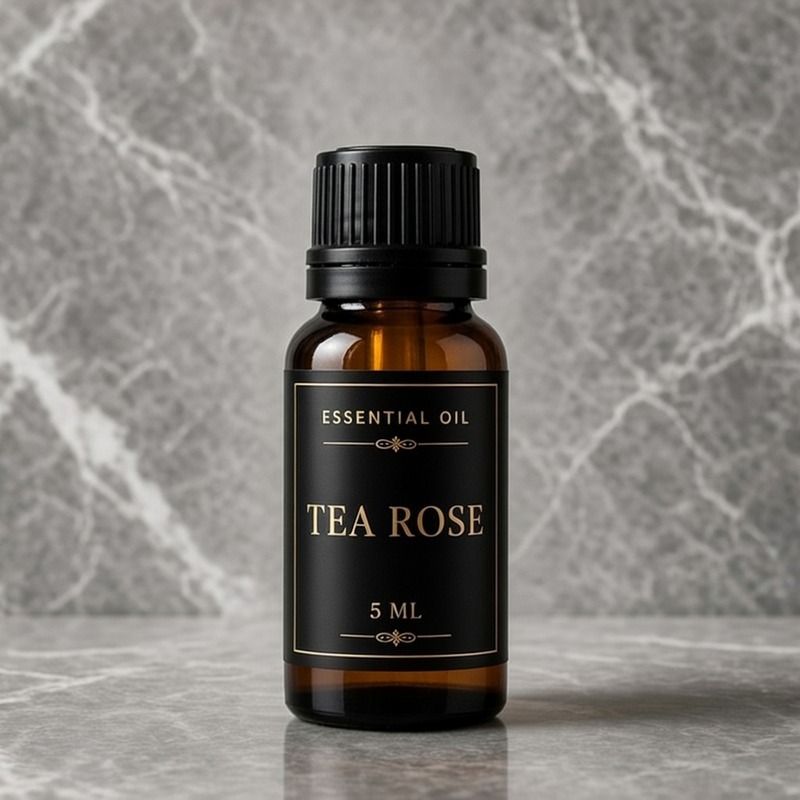
Tea Rose Essential Oil: The Delicate Bloom for Radiant Beauty
Immerse yourself in the sweet, romantic, and subtly spicy aroma of our exquisite Tea Rose Essential Oil. Steam-distilled from the delicate petals of select rose cultivars, this precious essential oil captures the very essence of a blooming tea rose garden. Its complex fragrance, with its light floral top notes and warm, honey-like undertones, makes it a cherished ingredient in perfumery and skincare, offering both aromatic pleasure and potential therapeutic benefits for the skin and mind.
Versatile Applications and Areas of Use in Cosmetics:
Tea Rose Essential Oil's captivating fragrance and gentle properties make it a versatile addition to a wide range of cosmetic formulations:
Fine Perfumery: Use as a beautiful heart note in perfumes, eau de toilettes, and solid perfumes to create elegant, romantic, and uplifting floral bouquets. Its nuanced aroma adds depth and sophistication.
Facial Serums and Oils: Incorporate into facial serums and oils for its delicate fragrance and potential skin-soothing and hydrating properties. Its mild astringent qualities may also help to tone the skin.
Body Lotions and Creams: Add to body lotions, hand creams, and moisturizers to impart a lingering, sweet floral scent that evokes feelings of luxury and well-being.
Massage Oils: Blend with carrier oils like sweet almond or jojoba oil for a relaxing and aromatically uplifting massage experience. The gentle fragrance can help to reduce stress and promote emotional balance.
Bath Products: Infuse bath bombs, bath salts, and bubble baths for a luxurious and fragrant bathing ritual, creating a spa-like atmosphere and promoting relaxation.
Hair Care Products: Add to shampoos, conditioners, and hair mists to impart a delicate floral scent to the hair, leaving it smelling fresh and lovely.
Facial Toners and Mists: Incorporate into facial toners and mists for its gentle astringent properties and delicate floral aroma, helping to refresh and tone the skin.
Lip Balms and Treatments: Add a subtle, sweet floral aroma to lip balms and treatments, enhancing their sensory appeal.
DIY Cosmetic Formulations: Use to naturally fragrance homemade soaps, lotions, and other personal care products, adding a touch of natural elegance.
Key Advantages for Cosmetic Formulations:
Exquisite and Complex Aroma: Offers a sweet, floral, and slightly spicy fragrance with warm undertones, providing a sophisticated sensory experience.
Promotes Relaxation and Well-being: The delicate floral scent is known for its uplifting and stress-reducing properties.
Potential Skin-Soothing and Hydrating Benefits: May help to calm and moisturize the skin, contributing to a healthy and radiant complexion.
Mild Astringent Properties: Can help to tone and refine the skin's appearance.
Versatile Blending: Pairs well with other floral, citrus, and woody essential oils to create harmonious and unique fragrance compositions.
Natural and Appealing: Offers a natural fragrance alternative for consumers seeking botanical ingredients in their cosmetics.
Worldwide Shipping: Our online store provides convenient delivery to customers across the globe.
Cosmetic Recipe: Tea Rose Hydrating Facial Serum
Ingredient
Quantity (by volume)
Rosehip Seed Oil
15 ml
Jojoba Oil
10 ml
Argan Oil
5 ml
Tea Rose Essential Oil
5 drops
Vitamin E Oil
3 drops
Instructions:
In a clean glass dropper bottle, carefully measure and combine the Rosehip Seed Oil, Jojoba Oil, and Argan Oil.
Add the Tea Rose Essential Oil to the blend.
Incorporate the Vitamin E Oil and gently swirl the bottle to ensure all ingredients are thoroughly mixed.
Secure the bottle with the dropper cap.
Application Recommendations:
After cleansing and toning your face, dispense 2-3 drops of the Tea Rose Hydrating Facial Serum onto your fingertips.
Gently warm the serum between your fingertips and then lightly press and massage it onto your face and neck in upward circular motions.
Allow the serum to absorb fully before applying your moisturizer or makeup.
Use morning and night for optimal hydration and a delicate floral fragrance.
Store the serum in a cool, dark place away from direct sunlight to preserve its quality and aroma.
Perform a patch test on a small area of skin before widespread use to check for any potential sensitivity to the essential oil.
Adjust the number of Tea Rose Essential Oil drops to your preference for fragrance intensity, starting with a lower concentration if you have sensitive skin.
Characteristics:
INCI
Rosa Odorata Flower Essential Oil
Other
Application
Cosmetics: in creams, serums, masks, balms for the face and décolleté area Aromatherapy: for stress, apathy, fatigue, to create an atmosphere of comfort Perfumery: as a heart note in floral, oriental and powdery compositions Body care: in massage oils, lotions, intimate cosmetics Massage: in mixtures for relaxation, harmony, restoration Soap and candles: in romantic and floral lines Spa and wellness: in baths, aroma sachets, relaxing practices
Aroma
Rich, sophisticated, floral with soft fruity-honey notes, typical of tea roses. The aroma is highly persistent, revealing itself in many layers: from fresh petals and greenery to creamy powderiness. Ideally combined with oils of neroli, ylang-ylang, lavender, sandalwood, cedar, vanilla, patchouli, geranium.
Aroma lamp, diffuser: 3–5 drops Face cosmetics: 0.2–0.5% Body cosmetics: up to 1% Serums and essences: 0.3–0.7% Massage oils: 3–5 drops per 10 ml base Perfumes: 1–5% Soap, candles: up to 1% Baths: 4–6 drops per salt or emulsifier It is recommended to conduct a sensitivity test before use. Do not use in pure form on the skin.
Features
All information presented on the site is for reference only
Tea Rose essential oil is used in perfumery, cosmetology, aromatherapy, spa and wellness practices. Due to its luxurious and soft aroma, it is included in women's and niche fragrances, creams, serums, lotions and intimate cosmetics. In cosmetics, it is valued for its ability to smooth the skin, eliminate dryness, irritation and stimulate cell renewal. Suitable for mature, dry and sensitive skin. In aromatherapy, it relieves nervous tension, stabilizes the emotional state, promotes deep relaxation. It is also used in romantic compositions, baths, massages.