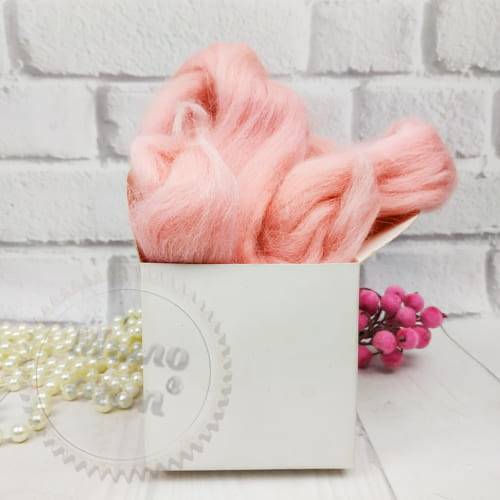
Australian Merino Wool 24 Micron Soft Pink for Premium Textile Art and Felting Projects
The Australian Merino sheep breed is globally recognized for producing the finest, softest, and most resilient natural fibers available to textile artisans and industrial manufacturers. This specific 24-micron grade, dyed in a delicate soft pink hue, represents the perfect equilibrium between structural integrity and tactile comfort. Unlike coarser wool varieties, the 24-micron fiber diameter is refined enough to be used directly against the skin in garment creation, yet robust enough to maintain shape and durability in structured felted projects. The natural crimp and elasticity of merino fibers ensure that creations possess a sophisticated drape and a high resistance to pilling. By sourcing this premium wool, crafters and textile designers gain access to a material that is not only naturally biodegradable and renewable but also possesses an inherent ability to regulate temperature and moisture, making it an exceptional choice for high-end fashion and artisanal home decor.
Properties and Versatility in Textile Manufacturing
The mechanical properties of Australian Merino wool are dictated by its complex protein structure, primarily composed of the fibrous protein keratin. This chemical composition provides the fiber with a natural memory effect, allowing garments and felted items to spring back into their original shape after being stretched or manipulated. The 24-micron diameter is a strategic choice for creators; it is fine enough to felt efficiently, creating dense and uniform surfaces for bags, hats, and sculptural art, while remaining thick enough to provide significant structural support. The soft pink color is achieved through professional, colorfast dyeing processes that penetrate the fiber cortex deeply, ensuring that the vibrancy of the hue remains intact even after repeated washing or exposure to environmental stressors.
Application in Artisanal Crafts and Industrial Design
The applications for this premium wool are as diverse as the creative projects they support. In the realm of wet felting and needle felting, this wool allows artists to achieve fine detail and intricate color blending that would be impossible with coarser, lower-quality fibers. Fashion designers frequently utilize this specific micron count for creating luxurious knitwear, scarves, and delicate shawls that prioritize skin-friendly softness. Furthermore, the material is highly sought after in the production of interior design elements, such as textured wall hangings, decorative pillows, and cozy blankets where both aesthetic appeal and tactile comfort are paramount. Beyond artistic endeavors, industrial manufacturers use this grade for high-quality upholstery fabrics and acoustic panels, leveraging the wool's natural ability to dampen sound and resist flame propagation.
Professional textile studios and small-batch manufacturers favor this material for its consistency. The uniformity of the fiber diameter across the entire batch allows for predictable shrinking rates during the felting process, which is essential for scaling production and ensuring that every piece created meets the same high-quality standards. Whether used in traditional spinning to create soft, durable yarns or in complex 3D felting projects, this merino wool offers a reliable foundation for high-value textile manufacturing.
Creation of Sculptural Felted Home Decor
To demonstrate the versatility of this 24-micron merino wool, this recipe outlines the process for creating a structured felted bowl, suitable for holding delicate items or serving as a standalone decorative piece.
Fine Australian Merino wool 24 micron 100 grams Pure castile soap liquid 10 ml Warm filtered water 500 ml Bamboo rolling mat for structure 1 piece Bubble wrap for agitation 1 piece
To prepare the piece, start by laying the wool fibers in thin, crisscrossing layers over a circular template to ensure uniform density and strength. Once the desired thickness is achieved, gently drizzle the warm soapy water solution over the fibers, ensuring they are fully saturated without causing them to shift from the template. Using a piece of bubble wrap, apply firm, rhythmic pressure across the surface to begin the agitation process. Gradually increase the pressure and frequency of agitation as the fibers begin to lock together and the felt surface stabilizes. After the material reaches the desired density, carefully rinse the object in clean water, reshape it into the final bowl form, and allow it to air dry in a well-ventilated area away from direct heat sources.
The resulting felted bowl features a dense, velvety surface with a soft pink aesthetic that highlights the natural luster of the merino fibers. The material remains firm yet flexible, providing a lightweight and durable storage solution that brings organic warmth and professional craftsmanship to any interior space. Proper maintenance requires only occasional dusting or a gentle hand wash with a wool-specific detergent to ensure the longevity of the structure and the vibrancy of the color.
Recommendations for Preservation and Material Longevity
Maintaining the pristine condition of Australian Merino wool requires an understanding of its natural protein-based structure. It is essential to store the fiber in a cool, dry place, ideally within breathable cotton or linen storage bags. Plastic containers should be avoided as they trap moisture, which can lead to fiber degradation and the development of unpleasant odors over time. Keeping the wool protected from light exposure will help preserve the intensity of the soft pink dye. If creating finished goods for commercial sale, it is recommended to include care instructions that specify hand washing in cool water with mild, wool-safe detergent, as aggressive mechanical washing can cause unwanted shrinkage and damage the delicate fiber texture. By following these storage and care guidelines, the quality and aesthetic appeal of the merino wool remain consistent, ensuring satisfaction for both the creator and the final consumer.