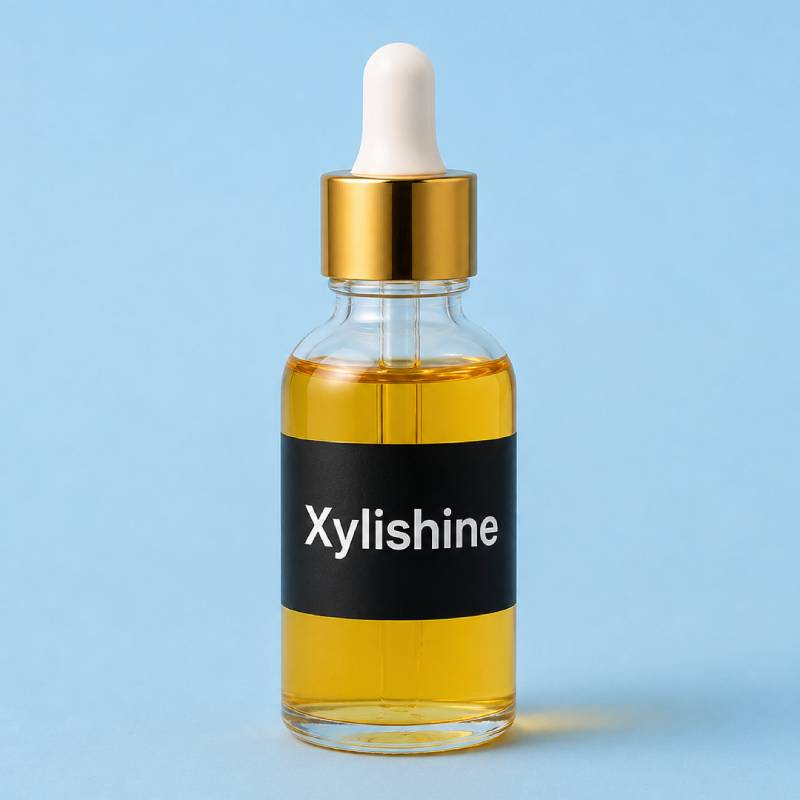
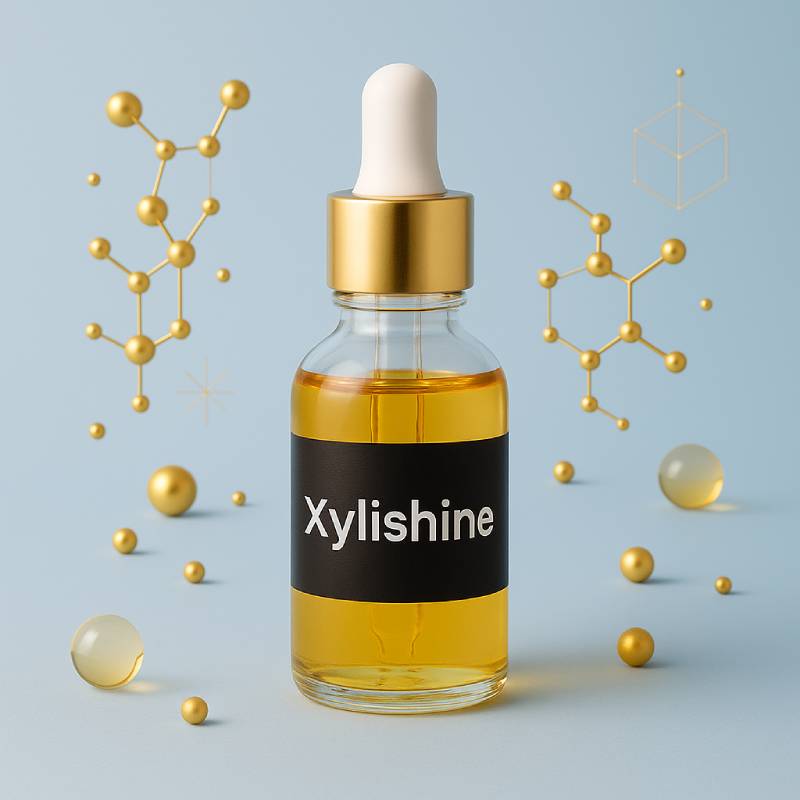
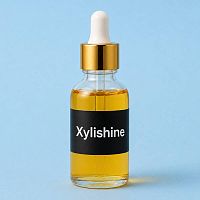
Xylishine hair shine complex for shampoos masks and leave-in care
Xylishine is a specialized cosmetic active complex developed for modern hair care formulations. Its composition combines Xylitylglucoside, Anhydroxylitol, Maltitol, Xylitol, Pelvetia canaliculata Extract, Phenoxyethanol, Sodium Benzoate, and Ethylhexylglycerin.
The combination of sugar-derived materials, polyols, and brown algae extract makes Xylishine particularly relevant for shampoos, conditioners, masks, leave-in sprays, hair creams, length serums, and professional salon products.
The ingredient can be incorporated into product concepts for dull-looking, porous, color-treated, and dry-feel hair. It can be used in a single hero product or across a coordinated hair care collection containing cleansing, conditioning, intensive, and leave-in steps.
Shine shampoo concepts
Xylishine can be incorporated into gentle cleansing formulas and shampoos designed around shine and smooth appearance concepts.
Potential formulation partners include mild surfactant systems, Betaine, amino acid complexes, and Hydrolyzed Proteins.
When developing a shampoo, the complete water-soluble active system should be considered because additional ingredients may influence viscosity and clarity.
In salt-thickened systems, final viscosity adjustment is best evaluated after the active ingredients have been incorporated.
The finished shampoo should be checked for appearance, viscosity, odor, color, foam characteristics, and storage stability.
Daily conditioner development
Xylishine can be used in lightweight daily conditioners and richer conditioning emulsions.
It may be combined with cationic conditioning materials, fatty alcohols, lightweight emollients, amino acid systems, and selected hydrolyzed proteins.
For fine hair concepts, keep the total lipid load moderate. Lightweight emulsion structures are generally more appropriate for products intended for frequent use.
For porous and dry-feel hair, a richer conditioning base can be developed with additional emollients.
After production, evaluate application properties, rinse behavior, viscosity, uniformity, and physical stability.
Intensive hair masks
Xylishine is suitable for cream masks and intensive conditioning products.
In these formulations, the active can be combined with a conditioning base, Hydrolyzed Oat Protein, Hydrolyzed Rice Protein, amino acids, Jojoba Oil, Squalane, and selected emollients.
The lipid phase should be adapted to the intended hair type. Fine hair products generally require a lighter structure, while richer masks may be developed for porous hair concepts.
A balanced formulation is preferable to an unnecessarily long list of overlapping actives. Each material should have a clear technological and product-development role.
Leave-in shine sprays
Xylishine can be incorporated into lightweight water-based sprays for hair lengths.
Potential formulation partners include Betaine, amino acids, low levels of Hydrolyzed Protein, and compatible conditioning polymers.
Spray formulas require particular attention to physical stability and packaging performance. The product should remain uniform and pass through the spray mechanism consistently.
If oils or fragrance materials are included, an appropriate solubilization or dispersion strategy should be developed and tested.
The finished spray should be evaluated for sediment formation, appearance changes, odor, and storage stability.
Hair length serums
Xylishine can be used in water-based and emulsion serum formats.
A lightweight aqueous serum may combine the active with Betaine, amino acids, and selected conditioning materials.
An emulsion serum can include a small lipid phase with lightweight emollients.
For leave-in products, sensory balance is essential. Excessive levels of oils, film formers, and conditioning polymers may create a heavy feel on fine hair.
The formula should be tested on different hair types and with realistic application amounts.
Color-treated hair products
Xylishine can be incorporated into shampoo, conditioner, mask, and leave-in product concepts for color-treated hair.
A coordinated routine may include a gentle shampoo, daily conditioner, richer weekly mask, and lightweight finishing spray.
In masks, Xylishine may be combined with amino acid systems and Hydrolyzed Proteins.
In leave-in products, a lightweight sensory profile and even distribution through the hair length should remain key formulation goals.
Each product in the collection should have its own optimized base rather than repeating the same formula across several formats.
Sugar-derived component system
Xylitylglucoside, Anhydroxylitol, Maltitol, and Xylitol form the sugar-derived and polyol portion of the Xylishine composition.
These materials are combined with Pelvetia canaliculata Extract in the complete commercial complex.
When formulating with Xylishine, the complete ingredient composition should be considered, including Phenoxyethanol, Sodium Benzoate, and Ethylhexylglycerin.
The preservation materials present in the active complex do not automatically preserve the entire finished cosmetic product. The complete formula requires an appropriately designed preservation strategy and suitable testing.
Pelvetia canaliculata Extract
Pelvetia canaliculata is a brown algae species and provides the marine botanical component of the Xylishine complex.
This allows the ingredient to fit naturally into marine hair care and algae-inspired cosmetic concepts.
A modern collection can combine Xylishine with lightweight sprays, transparent or translucent serums, conditioning emulsions, and cream masks.
For professional product presentation, the same ingredient concept can be used across several textures while each formulation remains technically optimized for its specific function.
Formulation combinations
In shampoos, Xylishine can be combined with mild surfactants, Betaine, amino acid systems, and Hydrolyzed Proteins.
In conditioners and masks, potential partners include conditioning materials, Cetyl Alcohol, lightweight emollients, Jojoba Oil, and Squalane.
In leave-in products, the complex may be combined with compatible conditioning polymers and amino acid systems.
For professional ranges, Xylishine can be used across multi-step systems consisting of shampoo, mask, and finishing leave-in care.
Every combination should be evaluated in the complete formulation because active complexes may influence viscosity, clarity, color, pH, and physical stability.
How to formulate with Xylishine
The incorporation method depends on the product format and the processing requirements of the complete formula.
In shampoos, add Xylishine under moderate mixing while avoiding unnecessary foam generation.
In conditioners and masks, introduce the active at a processing stage compatible with the temperature requirements of the raw material.
In sprays and aqueous serums, distribute the ingredient evenly throughout the prepared base.
Before scale-up, prepare a laboratory batch and evaluate pH, appearance, viscosity, odor, packaging compatibility, and storage stability.
Example lightweight Xylishine leave-in cream
Purified Water 785 ml
Xylishine 50 g
Lightweight Conditioning Base 45 g
Squalane 25 g
Jojoba Oil 20 g
Glycerin 20 g
Betaine 15 g
Hydrolyzed Rice Protein 15 g
Cetyl Alcohol 10 g
Preservative System 8 g
Fragrance Composition 2 g
Total Batch Weight 995 g
Adjust Purified Water to 790 ml for a final batch weight of exactly 1000 g.
Dissolve Betaine in Purified Water and add Glycerin.
Prepare the conditioning and lipid phase with Lightweight Conditioning Base, Squalane, Jojoba Oil, and Cetyl Alcohol according to the processing requirements of the selected conditioning system.
Combine the phases and process until a uniform lightweight emulsion is formed.
During cooling, add Xylishine and Hydrolyzed Rice Protein. Add the Preservative System and Fragrance Composition at the appropriate processing stage.
Evaluate the finished leave-in cream for pH, viscosity, appearance, odor, stability, spreading properties, and performance on different hair types.
Xylishine is a versatile specialized active complex for shampoos, conditioners, masks, hair serums, and leave-in products. Its combination of sugar-derived materials, polyols, and Pelvetia canaliculata Extract supports modern hair care concepts focused on visible shine, smooth appearance, and a polished look across multiple product formats.