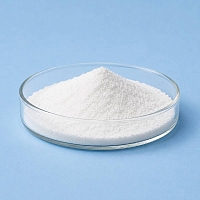
Vitamin B1 Thiamine for Hair Care, Scalp Formulations and Professional Vitamin Systems
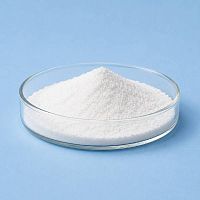
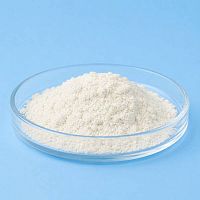
Vitamin B1 thiamine is a water-soluble vitamin ingredient used in cosmetic manufacturing for hair care, scalp care, facial skincare, body care and professional multi-active formulations. It is incorporated into shampoos, conditioners, hair masks, scalp tonics, leave-on lotions, sprays, cosmetic serums, gels, facial masks and specialized vitamin concentrates.
For cosmetic formulators, thiamine is particularly interesting as part of the water-soluble active phase. It can be combined with amino acids, hydrolyzed proteins, humectants, botanical extracts and other compatible functional ingredients. Modern formulations rarely rely on Vitamin B1 as an isolated cosmetic concept. Its strongest formulation potential is found in carefully designed systems where each component has a defined technological and cosmetic function.
What is Vitamin B1 thiamine and why is it used in cosmetic manufacturing
Thiamine is the common professional name for Vitamin B1, a member of the water-soluble B vitamin group. Thiamine derivatives participate in fundamental biochemical pathways related to cellular energy metabolism. In cosmetic development, this biochemical background is used to support the formulation of sophisticated vitamin-based concepts without transferring pharmaceutical claims to finished cosmetic products.
From a manufacturing perspective, Vitamin B1 is suitable for creating aqueous active phases for hair care, scalp care and skincare formulations. Depending on the exact raw material form, it can be incorporated into tonics, lotions, serums, masks, shampoos and emulsions.
The technical behavior of thiamine depends on its specific commercial form, active content and formulation environment. Manufacturers should therefore consider supplier specifications, recommended processing conditions and compatibility testing when developing commercial products.
Thiamine in professional hair care formulations
Hair care is an important application area for Vitamin B1. The ingredient can be included in shampoos, conditioners, masks, leave-on sprays, scalp tonics and professional cosmetic concentrates.
In rinse-off products, thiamine is most appropriately used as part of a broader active system. It can be combined with hydrolyzed wheat, oat, corn or soy proteins, selected amino acids, humectants and botanical extracts.
When developing shampoos, formulators should consider the influence of the active solution on viscosity. Additional water-soluble ingredients may change the rheological behavior of surfactant systems, particularly formulas thickened with electrolytes. The cleansing base should normally be established first, followed by the addition of the active phase and final viscosity adjustment.
Vitamin B1 in modern scalp care products
Scalp care has developed into an independent cosmetic category that includes tonics, lotions, sprays, ampoules and lightweight leave-on serums. These formats are particularly suitable for complex water-soluble active systems.
Vitamin B1 can be combined with amino acids, protein hydrolysates and selected botanical extracts to create lightweight professional formulations. For spray products, low viscosity is essential to maintain reliable atomization. Applicator lotions can have a slightly richer consistency while remaining easy to distribute across the scalp.
Manufacturers should evaluate clarity, sediment formation, odor stability, color changes and pH throughout the intended storage period. These factors are particularly important for transparent or lightly colored products packaged in clear containers.
Application in facial and body skincare
In skincare, thiamine is primarily used as part of complex vitamin formulations. It can be incorporated into aqueous serums, facial toners, gels, masks, lightweight emulsions and professional cosmetic concentrates.
Vitamin B1 is particularly suitable for multi-component skincare concepts where vitamins are combined with humectants, polysaccharides, botanical extracts and amino acid systems. This approach allows formulators to build a balanced active phase rather than relying on a single ingredient.
In aqueous products, thiamine is usually introduced through a prepared water solution. In emulsions, it is generally added during the cooling stage when this approach corresponds to the processing recommendations for the specific raw material.
Why thiamine is used in multi-vitamin cosmetic complexes
Modern cosmetic products increasingly combine several functional ingredient groups within one active system. Vitamins may be formulated alongside amino acids, hydrolyzed proteins, polysaccharides, botanical extracts and moisture-binding agents.
Vitamin B1 is suitable for such systems because of its water solubility and compatibility with many aqueous formulation formats. However, combining multiple vitamins without technical evaluation is not recommended. Ingredients belonging to the same vitamin group may have different stability requirements.
For each multi-active formulation, manufacturers should evaluate pH, temperature exposure, light sensitivity, interaction with other raw materials and long-term storage behavior. A technically balanced complex with fewer compatible ingredients may provide better formulation stability than an overloaded active phase.
How to incorporate Vitamin B1 into cosmetic formulations
Thiamine is commonly pre-dissolved in a small portion of purified water at room temperature. After complete dissolution, the prepared solution is gradually incorporated into the cosmetic base under moderate mixing.
Prolonged heating should be avoided unless the technical documentation for the specific commercial form states otherwise. In hot-process emulsions, the main structure of the product is formed first. Temperature-sensitive components are then added during the cooling stage according to the formulation process.
After incorporation, the finished product should be checked for pH, clarity, color and odor. Transparent tonics and lotions should also be monitored for possible precipitation, haze formation or color development during stability testing.
Compatibility with cosmetic raw materials
Vitamin B1 thiamine can be formulated with many common water-phase ingredients, selected amino acids, hydrolyzed wheat, oat, corn and soy proteins, polysaccharides and compatible botanical extracts.
In shampoo formulations, compatibility should be evaluated within the specific surfactant system. Formulas containing high electrolyte levels, organic acids, concentrated botanical materials or several vitamins require complete formulation testing because the stability of a finished cosmetic product depends on the interaction of the entire ingredient matrix.
Professional stability evaluation should include observation of pH, color, odor, clarity, sediment formation and viscosity over time.
Industrial and professional applications
Vitamin B1 thiamine is used in shampoos, conditioners, hair masks, scalp tonics, leave-on lotions, cosmetic sprays, facial serums, gels, masks, SPA products and professional concentrates.
For contract manufacturing, the ingredient provides flexibility for developing several product formats around a vitamin-focused concept. A water-soluble active system containing thiamine can be adapted for a lightweight tonic, scalp serum, cosmetic mask or hair care product by changing the formulation base and supporting functional ingredients.
Private label manufacturers can use Vitamin B1 in hair care and scalp care collections where recognizable vitamin terminology is combined with technically structured multi-component formulations.
Recommended use levels for Vitamin B1
Shampoos 0.05-0.5%
Conditioners 0.05-0.5%
Hair masks 0.1-1%
Scalp tonics 0.1-1%
Leave-on sprays 0.05-0.5%
Facial serums 0.05-0.5%
Facial toners 0.05-0.3%
Cosmetic masks 0.1-0.5%
Professional multi-active complexes according to the developed formulation
The final working concentration should be selected according to the specific form of the raw material, active content, supplier documentation and characteristics of the finished product.
Lightweight thiamine scalp serum formulation
Purified water 88 ml
Propanediol 4 ml
Betaine 2 g
Sodium lactate 2 ml
Vitamin B1 thiamine 0.3 g
Hydrolyzed wheat protein 1.5 ml
Green tea extract 1 ml
Preservative 1 ml
Citric acid solution for final pH adjustment
Pre-dissolve Vitamin B1 thiamine in a small portion of purified water at room temperature. Add betaine to the remaining water and mix until completely dissolved. Introduce sodium lactate and propanediol with moderate stirring.
Add hydrolyzed wheat protein and green tea extract to the aqueous base. Introduce the prepared thiamine solution slowly while maintaining gentle agitation. Add the preservative system, check the final pH and adjust it according to the requirements of the complete formulation and selected preservative.
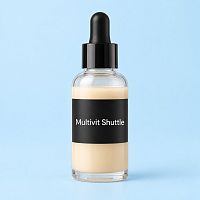
The finished scalp serum has a lightweight, fluid texture with low viscosity. It is suitable for packaging in a spray bottle, narrow applicator bottle or dropper container. The product spreads easily without creating a heavy oily film. Depending on the botanical extract used, its appearance may range from clear to slightly tinted or mildly opalescent. The sensory profile is light, non-greasy and suitable for leave-on scalp care.
Stability testing and quality control
Cosmetic formulations containing Vitamin B1 should be evaluated not only immediately after production but also throughout the intended storage period. Each new formula requires monitoring of pH, color, odor, clarity, precipitation and viscosity.
Multi-vitamin and multi-active systems require particular attention. A high number of ingredients does not automatically create a technically advanced product. For professional manufacturing, compatibility, processing conditions and predictable stability are more important than simply increasing the number of active ingredients.
Packaging should correspond to the viscosity and application method of the finished formulation. Spray bottles and narrow applicators are suitable for fluid scalp products, while pump dispensers can be used for lightweight serums. Professional concentrates benefit from well-sealed packaging that limits unnecessary exposure to the external environment.
Vitamin B1 thiamine is a versatile water-soluble ingredient for hair care, scalp care, skincare, SPA products and professional vitamin systems. Its most relevant formulation potential is found in technically balanced combinations with amino acids, hydrolyzed proteins, botanical extracts and other compatible functional ingredients. This approach enables cosmetic manufacturers, laboratories, contract manufacturers and private label brands to develop modern shampoos, masks, conditioners, lotions, sprays, serums and professional cosmetic concentrates with a clearly structured active phase.