Worldwide delivery  |  Free delivery in all Ukraine from 1899 UAH
Product catalog
Master classes, recipes, tips
AMIGEL rheology guide: Sclerotium Gum in gels emulsions and suspensions
A comprehensive technical formulation guide dedicated to managing rheology in cosmetics using the natural polysaccharide AMIGEL (Sclerotium Gum). This article explores the physical mechanisms of polymer hydration and network formation for structuring clear gels, light emulsions, and particle-suspending fluids. It covers pre-dispersion in polyols, electrolyte stability, shear rate handling, incompatibility limits, thermal limits, and precise pH controls. Features three complete DIY recipes with step-by-step compounding instructions and cold storage standards.
Natpure Film AP: natural film-forming technology for skin color cosmetics and hair
A comprehensive technical formulation guide dedicated to utilizing the bio-based film former Natpure Film AP (derived from sugar cane) in color cosmetics and hair care. This article breaks down the physical mechanics of flexible film creation, moisture resistance, and pigment adhesion enhancement. It covers aqueous dissolution protocols, compatibility with natural polymers and gums, thermal boundaries, and precise pH controls. Features three complete DIY recipes with step-by-step compounding instructions and storage standards.
ViableCare LipoCare 8: integrating a liposomal ceramide complex into barrier-care formulas
A comprehensive technical formulation guide to designing skin barrier restoration creams and liposomal fluids using ViableCare LipoCare 8. This article breaks down the physiological mechanism of ceramide integration into stratum corneum lipids to stop transepidermal water loss. It details exact processing protocols to protect liposomal structures, low-shear cooling phase entry below thirty degrees Celsius, emulsifier compatibility, and pH boundaries. Features three complete DIY recipes with step-by-step compounding instructions and cold storage standards.
Product Description

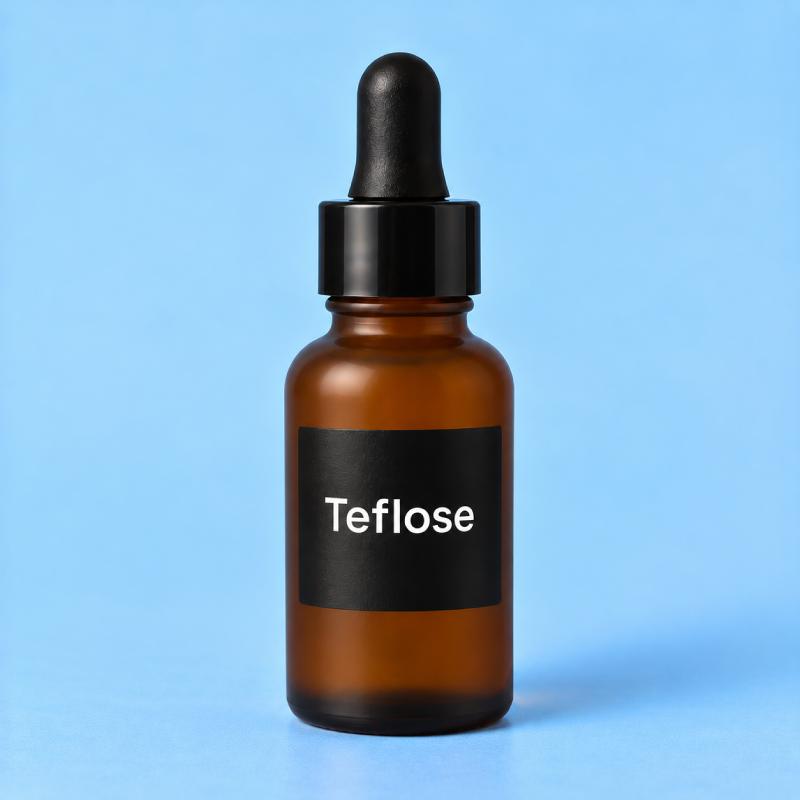
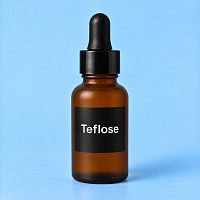
Teflose - advanced microbiological shield and soothing cosmetic active for skin equilibrium

Advanced skincare engineering increasingly focuses on microbiome protection and anti-adhesive strategies to maintain healthy cutaneous microflora without disrupting natural defenses. Teflose is an innovative, high-purity active ingredient designed to create a protective, biofilm-modulating barrier on the skin surface. Produced via specialized bacterial fermentation, this unique branched anionic polysaccharide is exceptionally rich in rhamnose, glucose, and glucuronic acid. By functioning as a sophisticated defense shield, it prevents the adhesion and hyperproliferation of undesirable or pathogenic microbial strains responsible for skin dysbiosis, localized inflammation, and unpleasant body odors. It integrates active molecules, targeted functional additives, and deep soothing agents directly into modern cosmetic matrices, offering formulators an exceptional tool for advanced dermocosmetic products.

Global market demand for microbiome-friendly and anti-pollution cosmetics continues to accelerate as consumers seek targeted solutions for reactive, acne-prone, and sensitive skin types. Formulators and brand developers prioritize raw materials that offer dual-action benefits: pathogen exclusion combined with direct anti-inflammatory relief. Within professional laboratories and home manufacturing settings, this active serves as an essential component for high-efficacy formulations, ranging from specialized anti-acne treatments and deodorizing hygiene lines to protective barrier creams designed for urban environments. Its high purity and stability make it globally sought after for premium cosmetic collections.

The application scope of this specialized ingredient spans diverse categories across the personal care industry. In facial care manufacturing, it is incorporated into anti-blemish serums, soothing gels for irritated skin, and mattifying lotions targeting oily or combination complexions. In body care and hygiene production, it is widely utilized in advanced deodorant formulations, foot care sprays, and gentle intimate washes to control odor-causing bacteria without altering saprophytic flora. Within professional and domestic production environments, formulators value its water solubility and compatibility with complex emulsion systems. Although it is not applied in candle making, food processing, or direct perfumery, its role in pharmaceutical-grade dermo-cosmetics designed for atopic and hyper-reactive skin management is invaluable.

Formulators and cosmetic chemists benefit greatly from the physiological compatibility and targeted mechanism of this raw material. It operates by physically inhibiting bacterial adhesion and virulence, acting much like a protective non-stick shield on the epidermis, which effectively reduces the inflammatory cascade triggered by environmental stressors. The ingredient works efficiently at low inclusion rates in professional recipes, ensuring optimal cost-performance ratios while meeting stringent safety and efficacy requirements demanded by modern regulatory standards.

Microbiome balancing facial soothing serum

This targeted professional formulation is designed to calm irritated skin, reduce redness, and support a healthy cutaneous microbiome balance.

Rose floral water - 65 grams

Glycerin - 3 grams

Hydroxyethylcellulose - 1 gram

Teflose - 3 grams

Niacinamide - 4 grams

Panthenol - 2 grams

Sodium hyaluronate solution - 10 grams

Cosmetic preservative - 1 gram

To prepare this serum, weigh the rose floral water into a clean sanitized beaker and slowly disperse the hydroxyethylcellulose under constant agitation until fully hydrated and smooth. Introduce the vegetable glycerin, niacinamide, and panthenol into the main water phase, stirring gently until all components are completely dissolved. In a separate vessel, mix the Teflose active with the sodium hyaluronate solution, then pour this combination into the primary batch while mixing thoroughly to ensure uniform distribution. Monitor the overall balance of the formulation to confirm it meets physiological parameters for sensitive skin. Finally, add the cosmetic preservative, blend the mixture for several minutes until completely homogeneous, and transfer the finished product into a sterile dropper bottle.

The resulting serum features a lightweight, non-tacky fluid texture that glides smoothly across the skin and absorbs instantly without leaving any heavy film. It delivers an immediate cooling and comforting sensation, visibly diminishing redness and irritation while leaving the complexion deeply hydrated, balanced, and protected against external stressors.

Characteristics:
INCI Propanediol, Water, Rhamnose, Glucose, Glucuronic Acid
Other
Application Cosmetics Skin Care Microbiome Care Postbiotic Care Anti-Blemish Care Acne-Prone Skin Care Oily Skin Care Sensitive Skin Care Dermo-Cosmetics Deodorant Care Personal Hygiene Face Care Body Care Foot Care After Shave Creams Serums Emulsions Gels Lotions Problem Skin Care Problem Skin Care Problem Skin Care Sensitive Skin Care Acne-Prone Skin Care Deodorants Underarm Care Foot Care After Shave Care Odor Control
Att brand France
Color product Colorless to light yellow
Dosage Serums: 0.1-1% Creams: 0.1-1% Emulsions: 0.1-1% Gels: 0.1-1% Anti-Blemish Care: 0.1-1% Microbiome Care: 0.1-1% Sensitive Skin: 0.1-1% Deodorants: 0.1-1% After Shave: 0.1-1% Foot Care: 0.1-1% Most Researched Range: 0.1-1% Typical Working Concentration: 0.5-1%
Features All information presented on the site is for reference only
Name Teflose 100 ml
Other names Rhamnose Polysaccharide Rhamnose-Rich Polysaccharide Bacterial Anti-Adhesion Active Microbiome Balancing Active Postbiotic Polysaccharide Anti-Biofilm Active / Teflose Teflose PS291 PS291 Rhamnose Polysaccharide Rhamnose-Rich Polysaccharide Fermented Polysaccharide Postbiotic Polysaccharide Bacterial Anti-Adhesion Polysaccharide Microbiome Active Anti-Biofilm Active
Packaging container for transportation
Properties Prevents the attachment of unwanted bacteria Reduces bacterial adhesion Reduces biofilm formation Influences bacterial virulence Maintains microbiome balance Prevents hyperproliferation of individual bacteria Postbiotic action Soothing action Anti-inflammatory action Reduces skin discomfort Supports sensitive skin Supports problematic skin Supports oily skin Supports blemish-prone skin Odor control Supports underarm and foot hygiene Supports skin after shaving
Purpose Skin Microbiome Balance Postbiotic Care Bacterial Adhesion Protection Biofilm Control Problem Skin Care Oily Skin Care Acne-Prone Skin Care Soothing Care Reduced Skin Reactivity Sensitive Skin Care Odor Control Underarm Care Foot Care Post-Shave Care
Solubility in the water
Type Postbiotic polysaccharide active against bacterial adhesion and biofilms
View liquid
Valid until 10.2028
Add a review
Your score:
Send feedback
Error

Close window
Product added to cart
Total:
Request the price of the product
Fill in the details for the price request
Request a price Request a price