What marsh cudweed is
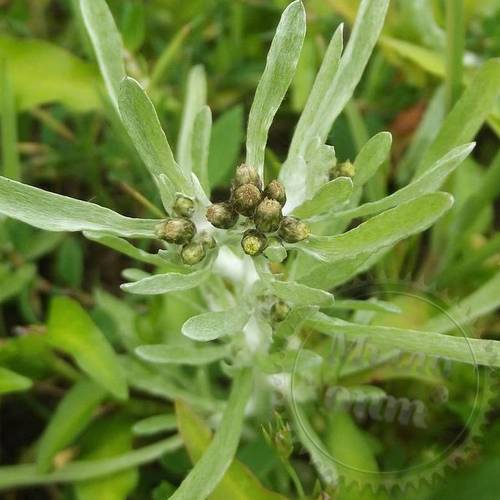
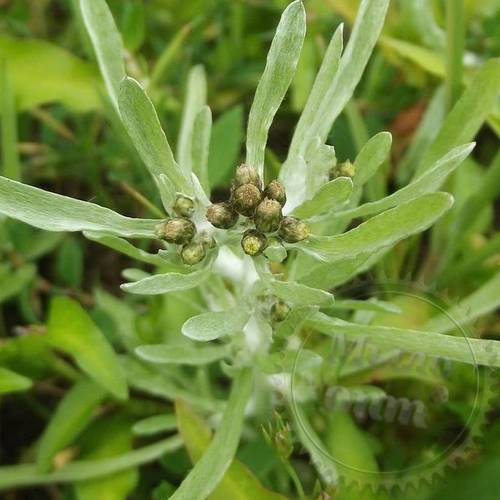
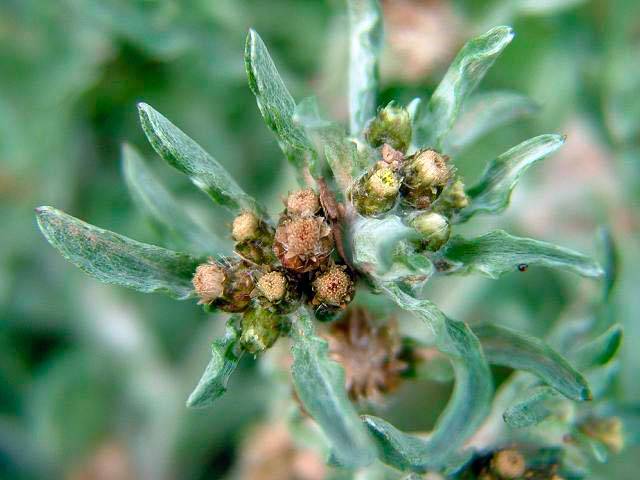
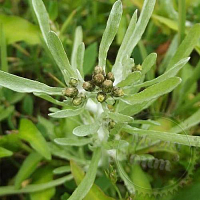
Marsh cudweed, Gnaphalium uliginosum, is a small annual plant of the aster family that grows on damp soil, on the banks of ponds and in fields. Its stems and leaves are covered with silvery felt-like hairs, so the dry herb looks greyish green. Synonyms listed on the card include Russian cudweed, toad herb and wound herb.
This listing is dry herb in a 1 kg pack. According to the card the country of origin is Ukraine, quality 100% natural, odour characteristic, shelf life until 12.2041. The item is in the dried flowers in bulk section.
Key properties
The plant is described as containing flavonoids, carotenoids, tannins, phytosterols and traces of essential oil. For a cosmetic chemist it is above all a botanical raw material for extracts with a soft herbal scent and a light tint. The hairy structure makes the herb light and bulky, so 1 kg takes up a noticeable volume.
Uses
Oil extracts and balms
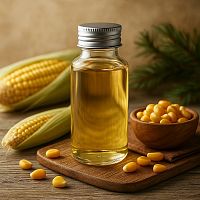
Cudweed is steeped in vegetable oils, and the resulting extract goes into balms, hand creams and massage blends. If you cannot make the extract yourself, choose ready-made macerated oils.
Scrubs, masks and ubtans
Ground herb suits dry blends and scrubs where a natural botanical component matters.
Hair care and salon use
The herb infusion is used for hair rinses. The card also lists use in beauty salons, home cosmetics, tea and decoctions.
How to use
For an oil extract, chop the herb, cover it with oil and keep it at moderate heat. Hold the temperature at 40-50 °C so the oil does not oxidise. Stable liquid oils make a good base, for example high-oleic sunflower oil or grape seed oil. After steeping, press out the herb and filter the oil through several layers of gauze or a paper filter.
Compatibility and processing notes
An oil extract contains no water, so it needs no preservative, but it does need an antioxidant, usually tocopherol. Residual moisture in the herb lowers stability, so the material must be dry before steeping. The fine plant hairs pass easily through a coarse sieve, so careful filtration keeps the finished oil clear. In water-based products a cudweed infusion needs a preservative and a short use period.
Appearance and specifications
Form: dry herb. Botanical name Gnaphalium uliginosum, the same name is in the INCI field. Colour per card: typical; odour characteristic. Pack size 1 kg, packed in a transport container.
Example: hand balm with cudweed oil extract
First make the extract: cover 30 g of chopped herb with 300 ml of sunflower oil, keep in a water bath at 40-50 °C for 3 hours, strain and add 1.5 g of tocopherol.
For 100 g of balm, melt 14 g of beeswax and 20 g of shea butter in a water bath, then add 64 g of the cudweed extract. Remove from heat; when it cools to 45 °C, add 1 g of tocopherol and 1 g of lavender essential oil, stir and pour into jars. Suitable waxes are in the waxes for cosmetics section. The balm sets within a few hours.
Storage
According to the card, store the herb protected from light and moisture in a tightly closed container. Keep the finished extract in dark glass in a cool place.
FAQ
Why is the dry herb silvery?
The stems and leaves of cudweed are covered with felt-like hairs, which give the greyish silver tone.
What is the country of origin?
According to the product card, Ukraine.
Does the oil extract need a preservative?
No, because it contains no water, but adding tocopherol as an antioxidant is worthwhile.
How much extract is in the balm recipe?
64 g of cudweed extract per 100 g of balm.