A comprehensive technical formulation guide dedicated to managing rheology in cosmetics using the natural polysaccharide AMIGEL (Sclerotium Gum). This article explores the physical mechanisms of polymer hydration and network formation for structuring clear gels, light emulsions, and particle-suspending fluids. It covers pre-dispersion in polyols, electrolyte stability, shear rate handling, incompatibility limits, thermal limits, and precise pH controls. Features three complete DIY recipes with step-by-step compounding instructions and cold storage standards.
A comprehensive technical formulation guide dedicated to utilizing the bio-based film former Natpure Film AP (derived from sugar cane) in color cosmetics and hair care. This article breaks down the physical mechanics of flexible film creation, moisture resistance, and pigment adhesion enhancement. It covers aqueous dissolution protocols, compatibility with natural polymers and gums, thermal boundaries, and precise pH controls. Features three complete DIY recipes with step-by-step compounding instructions and storage standards.
A comprehensive technical formulation guide to designing skin barrier restoration creams and liposomal fluids using ViableCare LipoCare 8. This article breaks down the physiological mechanism of ceramide integration into stratum corneum lipids to stop transepidermal water loss. It details exact processing protocols to protect liposomal structures, low-shear cooling phase entry below thirty degrees Celsius, emulsifier compatibility, and pH boundaries. Features three complete DIY recipes with step-by-step compounding instructions and cold storage standards.
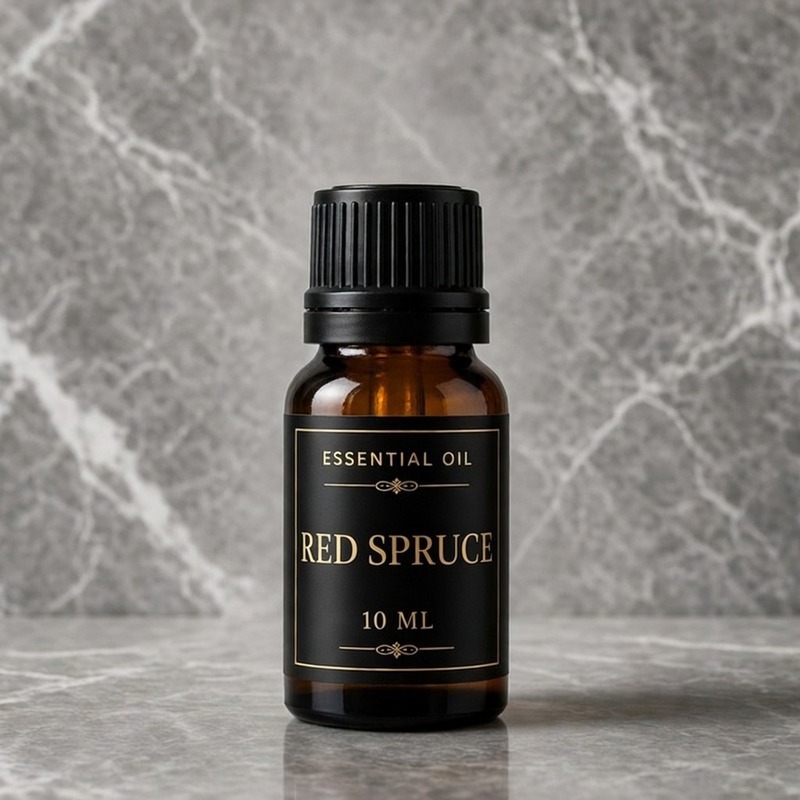
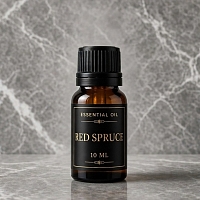
Picea Rubens Essential Oil: The Crisp, Woodsy Essence of Red Spruce
Immerse yourself in the invigorating and grounding aroma of Picea Rubens Essential Oil, a premium essential oil steam-distilled from the needles of the Red Spruce tree (Picea rubens). Native to northeastern North America, the Red Spruce boasts a fresh, crisp, and distinctly woody scent with resinous undertones, reminiscent of a pristine evergreen forest. This essential oil offers a unique olfactory profile that can enhance a variety of cosmetic formulations, providing a refreshing and revitalizing sensory experience while also offering potential skin benefits.
Versatile Applications and Areas of Use in Cosmetics:
Picea Rubens Essential Oil's refreshing aroma and potential therapeutic properties make it a versatile ingredient for various cosmetic applications:
Fragrance Component in Personal Care: Utilize as a refreshing top or middle note in perfumes, colognes, and natural deodorants to impart a clean, woodsy, and slightly balsamic aroma.
Invigorating Bath Products: Add to bath salts, bath bombs, and shower gels for an energizing and refreshing bathing experience, evoking the crispness of a forest.
Massage Oils and Body Rubs: Blend with carrier oils for invigorating massage oils and body rubs, particularly beneficial after physical activity to soothe muscles and promote a sense of well-being. Its aroma can also be uplifting.
Hair and Scalp Treatments: Incorporate into shampoos, conditioners, and scalp treatments for its potentially stimulating and clarifying properties on the scalp, as well as its refreshing scent.
Facial Toners and Mists: Add in small amounts to facial toners and mists for a refreshing and astringent effect, potentially helping to tighten pores and balance oily skin.
Soaps and Hand Washes: Enhance the cleansing experience of bar soaps and liquid hand washes with its clean and invigorating aroma.
Foot Care Products: Include in foot soaks, scrubs, and balms for its deodorizing and refreshing properties, helping to soothe tired feet.
Aromatherapy Inhalers and Diffusers (for personal use, not product application): While not a cosmetic application, its aroma can be used in personal aromatherapy to promote focus, energy, and a sense of grounding. This highlights its aromatic benefits that can inspire cosmetic product development focused on these feelings.
Key Advantages for Cosmetic Formulations:
Fresh and Invigorating Aroma: Offers a clean, crisp, and woodsy scent with resinous undertones, providing a refreshing and revitalizing sensory experience.
Potential Scalp Benefits: May help to stimulate circulation and clarify the scalp.
Deodorizing Properties: Can help to mask and neutralize odors, making it suitable for natural deodorants and foot care products.
Astringent Qualities: May help to tighten pores and balance oily skin when used in facial toners.
Natural and Appealing: Offers a natural fragrance alternative that resonates with consumers seeking woodsy and refreshing scents.
Worldwide Shipping: Our online store provides convenient delivery to customers across the globe.
In a clean beaker, combine the distilled water and glycerin. Stir gently.
Slowly add the Cocamidopropyl Betaine and Decyl Glucoside, gently stirring to avoid excessive foaming.
In a separate small container, combine the Picea Rubens Essential Oil with a small amount of one of the surfactants (e.g., Cocamidopropyl Betaine) to help it disperse.
Add the essential oil mixture to the main mixture and stir gently.
Incorporate the Panthenol and preservative, stirring until well combined.
Check the pH of the mixture using pH strips or a meter and adjust it to the desired range (5.5-6.0) using small amounts of lactic acid if necessary.
Carefully pour the body wash into a clean bottle.
Application Recommendations:
Apply a small amount of the Refreshing Red Spruce Body Wash onto a wet sponge or loofah.
Lather gently over the body, avoiding the eye area.
Rinse thoroughly with water.
For external use only.
Store in a cool, dry place away from direct sunlight.
Perform a patch test on a small area of skin before widespread use to check for any potential sensitivity to the essential oil.
Adjust the amount of Picea Rubens Essential Oil to your preference for fragrance intensity, starting with the recommended percentage.
Characteristics:
INCI
Picea Rubens Leaf Essential Oil
Other
Application
Aromatherapy — for apathy, depression, colds, fatigue Inhalation — for sinusitis, cough, bronchitis Body care — in products for swelling, varicose veins, muscle pain Cosmetics — in creams and lotions for skin toning Spa and massage — in mixtures for relaxation, recovery, anti-cellulite effect Bath and sauna — in aromatic water mixtures Perfumery — as a note of freshness and forest in woody compositions Soap making — natural coniferous fragrance
Aroma
Fresh, bright, woody-coniferous aroma with soft resinous and slightly sweet notes. Warmer and richer than white or blue spruce, with a stable natural trail. Combines well with oils of cedar, fir, juniper, eucalyptus, lavender, bergamot, sandalwood.
Aroma lamp, diffuser: 3–5 drops Massage oils: 4–6 drops per 10 ml of base Face cosmetics: 0.2–0.5 percent Body cosmetics: up to 1 percent Baths: 4–6 drops per 1 tbsp. of salt or milk Inhalations: 2–3 drops Soaps and gels: up to 1 percent Perfumes: 1–4 percent in the composition It is recommended to conduct a sensitivity test before use. Do not apply to the skin in its pure form.
Features
All information presented on the site is for reference only
Picea rubens essential oil is used in aromatherapy, skin care cosmetics, spa and perfumery. It is effective against fatigue, stress, muscle strain, colds and general loss of strength. In aromatherapy, it is used to create balance, restore after physical and mental stress, improve breathing. In cosmetics - in tonics, creams, anti-cellulite products, lotions and ointments for joints. Suitable for the men's line. In perfumery, it is used as a fresh woody note in men's and unisex compositions. It is widely used in air aromatization, soap, bath mixtures and scented candles.