Worldwide delivery  |  Free delivery in all Ukraine from 1899 UAH
Product catalog
Master classes, recipes, tips
AMIGEL rheology guide: Sclerotium Gum in gels emulsions and suspensions
A comprehensive technical formulation guide dedicated to managing rheology in cosmetics using the natural polysaccharide AMIGEL (Sclerotium Gum). This article explores the physical mechanisms of polymer hydration and network formation for structuring clear gels, light emulsions, and particle-suspending fluids. It covers pre-dispersion in polyols, electrolyte stability, shear rate handling, incompatibility limits, thermal limits, and precise pH controls. Features three complete DIY recipes with step-by-step compounding instructions and cold storage standards.
Natpure Film AP: natural film-forming technology for skin color cosmetics and hair
A comprehensive technical formulation guide dedicated to utilizing the bio-based film former Natpure Film AP (derived from sugar cane) in color cosmetics and hair care. This article breaks down the physical mechanics of flexible film creation, moisture resistance, and pigment adhesion enhancement. It covers aqueous dissolution protocols, compatibility with natural polymers and gums, thermal boundaries, and precise pH controls. Features three complete DIY recipes with step-by-step compounding instructions and storage standards.
ViableCare LipoCare 8: integrating a liposomal ceramide complex into barrier-care formulas
A comprehensive technical formulation guide to designing skin barrier restoration creams and liposomal fluids using ViableCare LipoCare 8. This article breaks down the physiological mechanism of ceramide integration into stratum corneum lipids to stop transepidermal water loss. It details exact processing protocols to protect liposomal structures, low-shear cooling phase entry below thirty degrees Celsius, emulsifier compatibility, and pH boundaries. Features three complete DIY recipes with step-by-step compounding instructions and cold storage standards.
Product Description

Phytosteryl Oleate: The Biomimetic Lipid for Enhanced Skin Barrier and Resilience

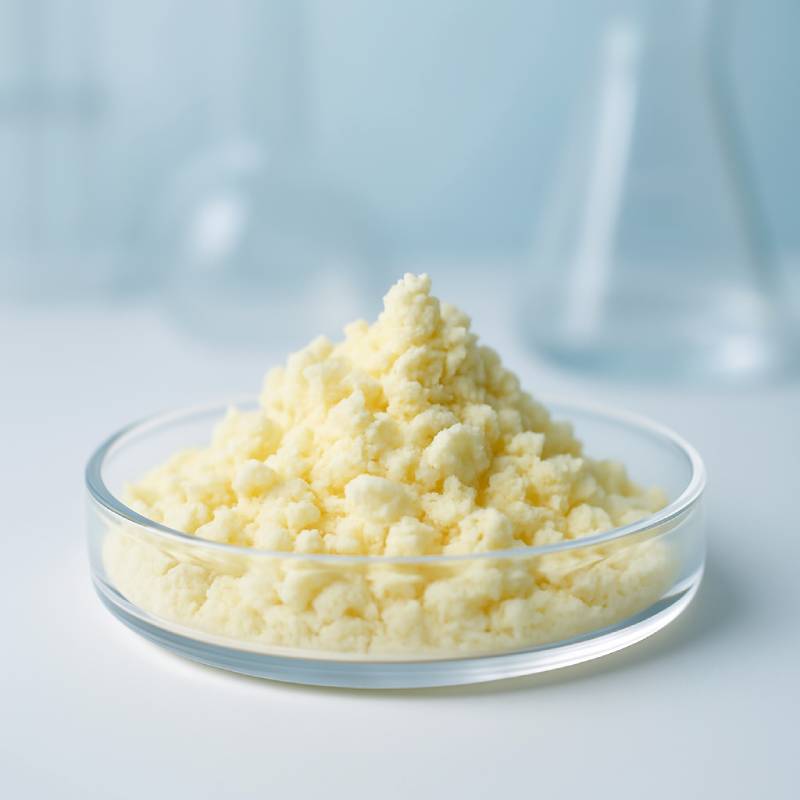
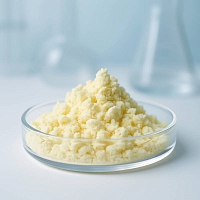
Unlock the secret to healthier, more resilient skin with Phytosteryl Oleate, a premium functional lipid expertly produced in Japan. This remarkable ingredient, appearing as a light yellow to yellowish-beige viscous oily substance that can solidify into a waxy mass at lower temperatures, is a powerhouse for skin barrier support. With its oil and fat solubility and a diverse range of applications, Phytosteryl Oleate is a must-have for formulators aiming to create truly effective and protective skincare solutions.

Description and Key Properties

Phytosteryl Oleate (INCI: Phytosteryl Oleate) is a sophisticated ester formed from phytosterols and oleic acid. As a biomimetic ingredient, it closely resembles the natural sterols found in human skin, allowing for seamless integration and optimal performance. It's also known by other names like Phytosteryl Oleate, Phytosterol Oleate Ester, Sterol Oleate, and Vegetable Waxy Ester.

Key properties that make Phytosteryl Oleate an exceptional ingredient:

  • Reduces Transepidermal Water Loss (TEWL): It significantly helps to minimize water evaporation from the skin, crucial for maintaining optimal hydration levels.
  • Strengthens Stratum Corneum Structure: By mimicking skin's natural lipids, it fortifies the skin's outermost layer, improving its integrity and function as a protective barrier.
  • Anti-inflammatory Action: It possesses soothing properties that help calm irritated skin and reduce redness.
  • Enhances Skin Softness and Resilience: Regular use leads to softer, smoother skin that is better equipped to withstand environmental aggressors.
  • Biomimetic to Skin Sterols: Its structural similarity to skin's natural sterols ensures high compatibility and efficacy, allowing it to integrate seamlessly into the skin's lipid matrix.
  • Oil and Fat Soluble: This characteristic makes it easy to incorporate into oil-based formulations, emulsions (creams, lotions), balms, and other anhydrous products. It is insoluble in water.

Versatile Applications and Usage Areas in Cosmetics and Beyond

Phytosteryl Oleate is a highly versatile and valuable ingredient for a wide array of cosmetic and dermatological applications, particularly where enhancing skin barrier function, providing deep moisturization, and promoting skin resilience are key.

  • Cosmetic Applications:
    • Creams for Dry and Aging Skin: Its ability to reduce TEWL and strengthen the skin barrier makes it excellent for intensely moisturizing and fortifying mature or chronically dry skin.
    • Emollient Emulsions: Enhances the emollient properties of lotions and creams, leaving skin feeling soft, smooth, and nourished.
    • Lip Balms: Provides deep conditioning and protection for delicate lip skin, preventing chapping and dryness. Its waxy consistency at lower temperatures can also contribute to balm structure.
    • Sunscreen Products: Helps to support the skin's barrier function, which can be compromised by UV exposure, and contributes to the overall protective effect. Typical dosage is 1-3%.
    • Sensitive Skin Care: Its anti-inflammatory and barrier-strengthening properties make it ideal for formulations designed for easily irritated or sensitive skin.
    • Restorative Formulas: Perfect for products aimed at repairing compromised skin barriers, such as after excessive exfoliation or environmental damage.
    • Hand and Body Care: Provides intensive moisture and protection for exposed skin on hands and body, improving softness and resilience.
  • Other Industries / Specialized Applications:
    • Dermatological Preparations: Utilized in formulations for various skin conditions where barrier repair and anti-inflammatory effects are crucial.
    • Post-Peel and Post-Invasive Procedure Cosmetics: Accelerates skin recovery and reduces irritation following chemical peels, microdermabrasion, or other aesthetic procedures by supporting the healing process and rebuilding the skin barrier.
    • Pharmacy Cosmetics (Dermocosmetics): Found in specialized skincare products sold in pharmacies, targeting specific skin concerns with a focus on efficacy and skin health.
    • Decorative Cosmetics:
      • Lip Balms (Tinted/Medicated): Enhances texture and provides long-lasting hydration in tinted or medicated lip products.
      • Primers: Can be incorporated into primers to create a smooth, protective base that helps to even out skin texture and potentially reduce makeup creasing.
      • BB/CC Creams: Contributes to the moisturizing and protective aspects of these multi-functional complexion products.

Dosage Recommendations:

  • Emulsions (Creams, Lotions): 0.5–5%
  • Balms: Up to 10%
  • Sunscreen Products: 1–3%

Phytosteryl Oleate is an essential ingredient for formulators seeking to create advanced skincare products that deliver superior barrier protection, profound hydration, and enhanced skin resilience, now available for worldwide delivery.

Cosmetic Recipe: "Barrier Boost" Restorative Facial Cream

Create a rich, nourishing facial cream designed to strengthen the skin barrier and provide deep hydration, ideal for dry, sensitive, or compromised skin. This recipe incorporates Phytosteryl Oleate for its biomimetic properties.

Ingredient Percentage (%) Function
Phase A (Water Phase)
Distilled Water Up to 100% (approx. 67%) Base of the cream
Glycerin 3% Humectant, draws moisture to the skin
Xanthan Gum (hydration grade) 0.2% Thickener, stabilizer
Phase B (Oil Phase)
Emulsifying Wax (e.g., Polawax) 5% Emulsifier, binds water and oil phases
Phytosteryl Oleate 3% Barrier repair, TEWL reduction, emollient
Shea Butter 5% Rich emollient, deeply nourishing
Jojoba Oil 7% Mimics skin's natural sebum, non-comedogenic
Cetyl Alcohol 2% Co-emulsifier, provides body and texture
Phase C (Cool Down Phase)
Preservative (e.g., Geogard 221) 1% Protects against microbial growth
Vitamin E (Tocopherol) 0.5% Antioxidant, skin conditioning
Fragrance/Essential Oil (optional) 0.2-0.5% Adds scent

Instructions for Cream Preparation:

  1. Sanitization: Thoroughly sanitize all your equipment (beakers, stirring rods, containers) using isopropyl alcohol and allow them to air dry completely.
  2. Prepare Phase A (Water Phase): In a heat-resistant beaker, combine distilled water and glycerin. Slowly sprinkle xanthan gum over the surface while constantly stirring or using a mini-mixer to prevent clumping. Mix well until the gum is fully hydrated and the solution is clear. Heat this phase to 70-75°C (158-167°F).
  3. Prepare Phase B (Oil Phase): In a separate heat-resistant beaker, combine emulsifying wax, Phytosteryl Oleate, shea butter, jojoba oil, and cetyl alcohol. Heat this phase to 70-75°C (158-167°F) until all solid ingredients are fully melted and a clear, uniform oil phase is achieved.
  4. Emulsification: Slowly pour the hot water phase (Phase A) into the hot oil phase (Phase B) while continuously mixing with a hand mixer or stick blender on low speed. Continue mixing until a stable, homogeneous emulsion forms. The mixture will start to thicken as it cools.
  5. Cooling and Stirring: Continue to mix intermittently as the cream cools. This helps to create a smooth texture and prevents separation. Stir until the cream reaches approximately 40°C (104°F) or below.
  6. Add Phase C (Cool Down Phase): Once the cream has cooled sufficiently, add the preservative, Vitamin E, and optional fragrance/essential oil. Mix thoroughly to ensure all ingredients are well-incorporated.
  7. pH Adjustment (Recommended): Check the pH of your finished cream. For facial creams, an ideal pH range is typically between 5.0-6.0. Adjust if necessary using a diluted solution of lactic acid (to lower pH) or sodium bicarbonate (to raise pH), adding drop by drop and retesting.
  8. Packaging: Transfer the finished cream into a clean, sterile jar or airless pump bottle.

Recommendations for Application and Use:

  • Dosage of Phytosteryl Oleate: A 3% concentration is effective for a restorative facial cream, providing significant barrier support and emollient properties. You can adjust this from 0.5% to 5% based on desired richness and targeted benefits.
  • Integration: Since Phytosteryl Oleate is oil-soluble, ensure it's added to your oil phase and heated sufficiently to melt completely and integrate into the emulsion.
  • Temperature Sensitivity: While Phytosteryl Oleate itself is stable at processing temperatures, ensure that heat-sensitive ingredients in your cool-down phase are added only after the emulsion has cooled to below 40°C.
  • Storage: Store the finished cream in a cool, dark place away from direct sunlight to maintain its stability and efficacy.
  • Patch Test: Always perform a patch test on a small area of skin (e.g., inner forearm) before applying the product to your entire face, especially if you have sensitive skin.
  • Frequency of Use: Apply the "Barrier Boost" cream to clean skin morning and night, or as needed, to support skin health and hydration.

Characteristics:
INCI Phytosteryl Oleate
Other
Application Application in cosmetics: creams for dry and aging skin, emollient emulsions, lip balms, sunscreens, sensitive skin care, restorative formulas, hand and body skin care Application in other industries: dermatological preparations, cosmetics after peelings and invasive procedures, pharmacy cosmetics, decorative cosmetics (balms, primers, BB creams)
Att brand Japan
Color product light yellow to yellowish beige
Dosage 0.5–5% in emulsions, up to 10% in balms, 1–3% in sunscreens
Features All information presented on the site is for reference only
Name Phytosteryl Oleate 100 g
Other names Phytosteryl oleate, ester of phytosterols and oleic acid, sterol oleate, plant waxy ester
Packaging container for transportation
Packing 100 g
Properties reduces transepidermal water loss (TEWL), strengthens the structure of the stratum corneum, has an anti-inflammatory effect, makes the skin softer and more resistant to external influences, is biomimetic to skin sterols
Purpose functional lipid to strengthen the skin's barrier function, replace animal sterols, increase elasticity and protect the epidermis
Solubility soluble in oils and fats, insoluble in water
View viscous oily substance, waxy mass at low temperature
Valid until 09.2028
Add a review
Your score:
Send feedback
Error

Close window
Product added to cart
Total:
Request the price of the product
Fill in the details for the price request
Request a price Request a price