Worldwide delivery  |  Free delivery in all Ukraine from 1899 UAH
Product catalog
Master classes, recipes, tips
AMIGEL rheology guide: Sclerotium Gum in gels emulsions and suspensions
A comprehensive technical formulation guide dedicated to managing rheology in cosmetics using the natural polysaccharide AMIGEL (Sclerotium Gum). This article explores the physical mechanisms of polymer hydration and network formation for structuring clear gels, light emulsions, and particle-suspending fluids. It covers pre-dispersion in polyols, electrolyte stability, shear rate handling, incompatibility limits, thermal limits, and precise pH controls. Features three complete DIY recipes with step-by-step compounding instructions and cold storage standards.
Natpure Film AP: natural film-forming technology for skin color cosmetics and hair
A comprehensive technical formulation guide dedicated to utilizing the bio-based film former Natpure Film AP (derived from sugar cane) in color cosmetics and hair care. This article breaks down the physical mechanics of flexible film creation, moisture resistance, and pigment adhesion enhancement. It covers aqueous dissolution protocols, compatibility with natural polymers and gums, thermal boundaries, and precise pH controls. Features three complete DIY recipes with step-by-step compounding instructions and storage standards.
ViableCare LipoCare 8: integrating a liposomal ceramide complex into barrier-care formulas
A comprehensive technical formulation guide to designing skin barrier restoration creams and liposomal fluids using ViableCare LipoCare 8. This article breaks down the physiological mechanism of ceramide integration into stratum corneum lipids to stop transepidermal water loss. It details exact processing protocols to protect liposomal structures, low-shear cooling phase entry below thirty degrees Celsius, emulsifier compatibility, and pH boundaries. Features three complete DIY recipes with step-by-step compounding instructions and cold storage standards.
Product Description

PDRN from Peony Extract as a Revolutionary Bioactive Component for Regenerative Skincare

PDRN, or polydeoxyribonucleotide, derived specifically from premium peony extracts, represents one of the most advanced breakthroughs in cellular-level cosmetic science. This bioactive ingredient leverages the power of regenerative molecules to stimulate deep tissue repair, accelerate cellular turnover, and restore the structural integrity of the skin. By utilizing the potent biological material found in peony cell cultures, this active ingredient provides a concentrated source of essential nucleotides and nucleosides that mirror the building blocks of human DNA. Modern skin care formulators prioritize this component for its exceptional ability to revitalize tired, mature, or environmentally damaged skin, effectively offering a non-invasive pathway to achieve clinical-grade results. As a foundational element in high-performance serums and restorative creams, PDRN from peony works systemically to harmonize the cellular environment, ensuring that the skin maintains its elasticity, density, and youthful vigor.

Structural Mechanics and Biological Efficacy

The core functional mechanism of peony-derived PDRN lies in its capacity to trigger the adenosine receptors, which initiates a profound signaling cascade within the fibroblasts. This action significantly boosts the metabolic activity of skin cells, encouraging the synthesis of collagen, elastin, and hyaluronic acid. Unlike traditional cosmetic actives that focus solely on surface-level hydration, this PDRN complex penetrates deeper into the dermal layers to support the fundamental architecture of the skin. The extraction process preserves a delicate balance of plant-based bioactive compounds, including rare flavonoids, potent polyphenols, and specific polysaccharides that shield cells from inflammatory triggers. These active substances work in synergy to modulate the skin’s immune response, reduce redness, and accelerate the healing of micro-injuries or post-procedural irritation. For developers, this means formulating products that go beyond cosmetic enhancement to provide true dermal rehabilitation.

Global Market Demand and Industrial Application Versatility

The demand for PDRN-based ingredients is surging across the global beauty market as consumers pivot toward medical-grade skincare solutions that promise tangible, measurable improvement. In professional aesthetic clinics, PDRN derived from peony is increasingly used in post-laser treatment protocols and intensive rejuvenation programs due to its remarkable tissue-healing properties. Cosmetic brands incorporate this active into daily anti-aging emulsions, targeted night recovery masks, and revitalizing neck and décolleté serums to fight the visible signs of chronological aging. Beyond facial care, the pharmaceutical-cosmetic crossover allows for its use in specialized preparations designed to treat compromised skin barriers, improve the appearance of scarring, and soothe chronic inflammatory skin conditions. Its versatility extends to both small-batch artisanal production and large-scale industrial manufacturing, as the active maintains high stability and retains its biological potency even when blended with complex emulsion matrices, functional humectants, and peptide boosters.

Recipe for a Cellular Renewal Night Recovery Serum

This formulation combines the regenerative potential of peony PDRN with ultra-hydrating components to foster a restorative environment for the skin during the overnight hours.

Purified demineralized water 75 ml Peony PDRN active solution 10 ml Low molecular weight hyaluronic acid 3 grams Panthenol pro-vitamin B5 3 grams Vegetable glycerin 4 ml Pentylene glycol 3 ml Broad spectrum eco-friendly preservative 1 ml Allantoin 1 gram

In a sanitized laboratory beaker, combine the demineralized water with the vegetable glycerin and panthenol. Slowly add the allantoin powder and stir until it reaches complete dissolution. Gradually introduce the low molecular weight hyaluronic acid while maintaining a steady mixing speed until the mixture achieves a smooth, viscous gel texture. Carefully incorporate the peony PDRN solution, ensuring the mixture remains uniform throughout the process. Finally, add the pentylene glycol and the preservative, stirring gently until the serum is perfectly clear and homogeneous.

The resulting serum features a luxurious, slightly viscous texture that is instantly absorbed by the skin, leaving a subtle, cooling sensation upon application. It provides an immediate surge of deep hydration while working continuously throughout the night to stimulate cellular renewal and strengthen the dermal barrier. Upon waking, the skin feels noticeably firmer, smoother, and revitalized, with a significant reduction in the appearance of fine lines and an overall improvement in skin tone and clarity that showcases the transformative power of this biotechnological active.

Characteristics:
INCI Paeonia Lactiflora Callus Extract, Sodium DNA
pH 5.0-7.0
Other
Application Serums Creams Essences Toners Ampoules Gels Masks Eye Creams Post-Care Products Regenerating Cosmetics Anti-Aging Cosmetics
Att brand South Korea
Color product Colorless or light yellow
Dosage Toners 0.1-1% Essences 0.1-2% Serums 0.5-2% Creams 0.5-2% Ampoules 0.5-2% Masks 0.5-2% Eye creams 0.1-1%
Features All information presented on the site is for reference only
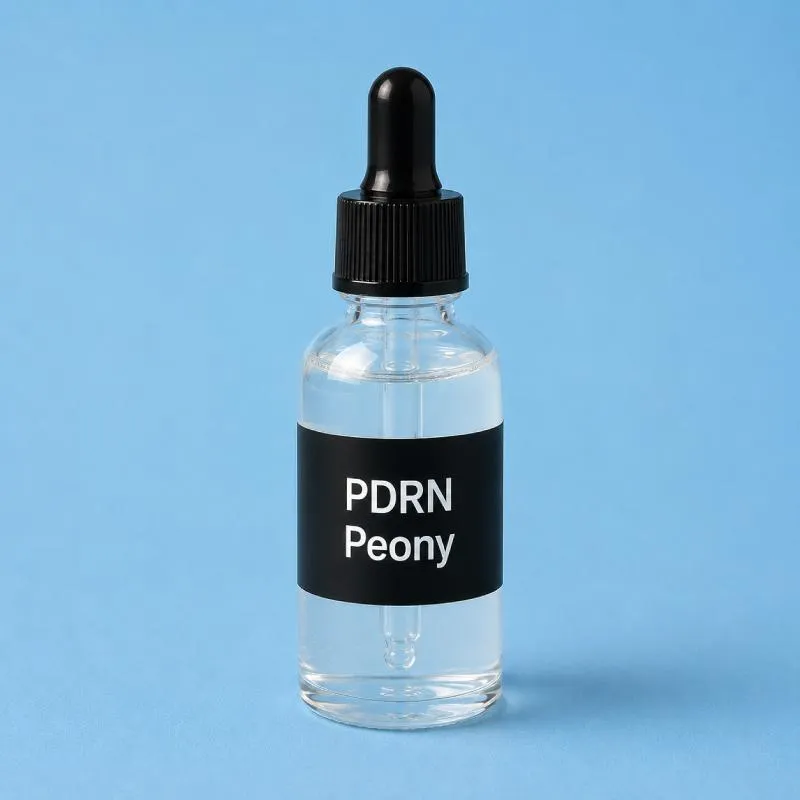
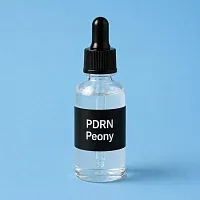
Name PDRN Peony 100 ml
Other names Peony PDRN Paeonia PDRN Plant PDRN Vegan PDRN Phyto PDRN Low Molecular Weight Peony PDRN / Peony PDRN Paeonia lactiflora PDRN Peony Polydeoxyribonucleotide Peony Polynucleotides PL-PN Plant Derived PDRN Phyto PDRN Vegan PDRN
Packaging container for transportation
Properties Supports skin barrier restoration Helps improve skin elasticity Maintains skin firmness Helps improve the appearance of mature skin Supports the synthesis of extracellular matrix components Helps increase procollagen levels Helps reduce signs of dehydration Supports natural skin renewal Suitable for anti-aging formulas Suitable for sensitive skin Suitable for vegan cosmetics Provides a plant-based alternative to salmon PDRN Suggestive for eye care
Purpose Anti-aging care Skin restoration Skin barrier support Increased elasticity Increased firmness Sensitive skin care Eye care Dry skin care Stress-related skin care
Solubility in the water
View Transparent or slightly opalescent liquid
Valid until 10.2028
Reviews (1) Add a review
Product rating:
  • Date:
    today
    Author:
    Наталія, Броди
    Reviews

    Раніше працювала з Aloe PDRN, а тепер захотілося спробувати варіант із півонією. Замовила разом із гіалуроновою кислотою та пантенолом. Зробила легкий гель для обличчя, текстура вийшла дуже приємна. Тепер цікаво порівняти обидва компоненти у схожих рецептах.

    Is the review useful? Yes (0) No (0)
Add a review
Your score:
Send feedback
Error

Close window
Product added to cart
Total:
Request the price of the product
Fill in the details for the price request
Request a price Request a price