Fast worldwide delivery
Product catalog
Master classes, recipes, tips
AMIGEL rheology guide: Sclerotium Gum in gels emulsions and suspensions
A comprehensive technical formulation guide dedicated to managing rheology in cosmetics using the natural polysaccharide AMIGEL (Sclerotium Gum). This article explores the physical mechanisms of polymer hydration and network formation for structuring clear gels, light emulsions, and particle-suspending fluids. It covers pre-dispersion in polyols, electrolyte stability, shear rate handling, incompatibility limits, thermal limits, and precise pH controls. Features three complete DIY recipes with step-by-step compounding instructions and cold storage standards.
Natpure Film AP: natural film-forming technology for skin color cosmetics and hair
A comprehensive technical formulation guide dedicated to utilizing the bio-based film former Natpure Film AP (derived from sugar cane) in color cosmetics and hair care. This article breaks down the physical mechanics of flexible film creation, moisture resistance, and pigment adhesion enhancement. It covers aqueous dissolution protocols, compatibility with natural polymers and gums, thermal boundaries, and precise pH controls. Features three complete DIY recipes with step-by-step compounding instructions and storage standards.
ViableCare LipoCare 8: integrating a liposomal ceramide complex into barrier-care formulas
A comprehensive technical formulation guide to designing skin barrier restoration creams and liposomal fluids using ViableCare LipoCare 8. This article breaks down the physiological mechanism of ceramide integration into stratum corneum lipids to stop transepidermal water loss. It details exact processing protocols to protect liposomal structures, low-shear cooling phase entry below thirty degrees Celsius, emulsifier compatibility, and pH boundaries. Features three complete DIY recipes with step-by-step compounding instructions and cold storage standards.
Product Description

Parsol ZX as a High Performance Broad Spectrum UV Filter for Advanced Sun Care Formulation

Parsol ZX represents a significant technological milestone in the field of photostability and sun protection. As a sophisticated, high purity zinc oxide dispersion, this ingredient is engineered to provide an exceptional shield against both UVA and UVB rays, addressing the growing demand for effective broad spectrum protection in modern cosmetics. In the global beauty market, formulators increasingly choose this active for its ability to offer superior light stability while maintaining a clean sensory profile. By integrating advanced micronization technology, it ensures that the physical barrier formed on the skin is both invisible and highly protective, overcoming the historical issues of whitening or heavy residual feel associated with traditional mineral filters. This makes it an essential asset for brands focusing on premium, skin-friendly, and transparent sun care solutions that cater to discerning consumers globally.

Functional Mechanics and Formulation Benefits of Zinc Oxide Dispersions

The efficacy of Parsol ZX lies in its carefully optimized particle size distribution, which maximizes the surface area for light scattering and absorption without compromising the aesthetic appeal of the final product. Zinc oxide, the primary active component of this dispersion, acts as a physical UV filter that reflects and absorbs harmful solar radiation before it can reach the deeper layers of the epidermis. Beyond its primary protective role, the ingredient contributes to the structural integrity of the cosmetic base. It is notably photostable, meaning it does not degrade rapidly under intense sun exposure, thereby maintaining a consistent level of protection throughout the day. For developers, the inclusion of this dispersion simplifies the formulation process, as it is pre-dispersed in a compatible carrier that prevents the clumping and settling common with dry powder pigments. This ensures a consistent SPF value and a smooth, even application for the end user.

Industrial Applications and Versatility in Modern Cosmetic Design

The utility of Parsol ZX extends well beyond basic sunscreen lotions. In the luxury skin care sector, it is incorporated into daily protective moisturizers, anti-aging creams, and foundations that offer built-in SPF protection. Its non-comedogenic nature makes it a popular choice for light daily fluids and BB creams intended for acne-prone or reactive skin. Within the hair care category, it is utilized in professional styling sprays designed to protect the hair fiber and scalp from the oxidative damage caused by solar radiation. Furthermore, in the niche of professional make-up, it serves as a reliable additive for high-coverage foundations and primers, providing a seamless finish while shielding the skin from environmental stressors. The global market demand for cleaner, more transparent sun protection labels continues to drive the adoption of this dispersion, as it aligns perfectly with the clean beauty standards that define contemporary product development.

Recipe for a Lightweight Broad Spectrum Daily Protective Fluid

This formulation is designed to provide high-level daily protection while maintaining a silky, non-greasy texture suitable for urban environments.

Purified demineralized water 65 ml Parsol ZX dispersion 20 ml Caprylic capric triglycerides 6 ml Polyglyceryl-3 diisostearate 3 grams Vegetable glycerin 3 ml Magnesium sulfate 1 gram Broad spectrum preservative 0.5 ml

To prepare this fluid, begin by combining the water, glycerin, and magnesium sulfate in a primary vessel, ensuring all salts are fully dissolved. In a secondary heat-resistant container, blend the caprylic capric triglycerides and the emulsifier. Slowly add the Parsol ZX dispersion to the oil phase, mixing thoroughly to ensure total homogenization of the pigment. Gradually add the water phase to the oil phase under high-shear mixing, continuing until a stable, light cream emulsion is achieved. Conclude the process by incorporating the preservative system. The resulting product is a fluid, low-viscosity emulsion that applies transparently, feels weightless on the skin, and provides a robust, invisible barrier against UV rays while leaving a matte, sophisticated finish.

The strategic integration of Parsol ZX into cosmetic portfolios allows manufacturers to deliver high-performance products that meet the rigorous safety and efficacy requirements of the modern international market. Its ease of handling, coupled with its reliable performance as a broad spectrum filter, makes it an ideal choice for brands looking to establish authority in the competitive sun care and protective skin care segments. By utilizing this advanced dispersion, developers can ensure their formulations remain at the forefront of the industry, offering both superior protection and an exceptional sensory experience to the consumer.

Characteristics:
INCI Zinc Oxide, Triethoxycaprylylsilane
Other
Application Sunscreens, sunscreen fluids, SPF serums, sunscreen lotions, sunscreen sticks, day creams with SPF, BB creams, CC creams, foundations with SPF, children's sunscreens Mineral makeup, compact powders, loose powders, foundations, cushions, primers, correctors, protective creams for sensitive skin, post-treatment products Professional sunscreens, sports cosmetics, waterproof sunscreens, natural cosmetics, dermatological cosmetics, cosmetics for everyday urban skin protection
Att brand Switzerland
Color product white
Dosage 1-5% in decorative cosmetics, 2-10% in day creams with SPF, 5-15% in sunscreens with a medium protection factor, 10-25% in sunscreens with a high protection factor, 15-25% in professional sunscreen formulas, 3-10% in children's cosmetics, 3-8% in BB and CC creams
Features All information presented on the site is for reference only
Name Parsol ZX 20 g
Other names Parsol ZX Micronized Zinc Oxide Micronized Zinc Oxide Coated Zinc Oxide Surface-treated Zinc Oxide UV Zinc Oxide Sunscreen Zinc Oxide / Parsol ZX Micronized Zinc Oxide Surface Treated Zinc Oxide Triethoxycaprylylsilane Coated Zinc Oxide Coated Zinc Oxide UV Zinc Oxide Micronized ZnO Cosmetic Zinc Oxide
Packaging container for transportation
Properties Broad-spectrum mineral UV filter Sunscreen ingredient High photostability High chemical stability Provides UVA and UVB protection Suitable for sensitive skin Suitable for children's cosmetics Suitable for daily sunscreens Compatible with organic UV filters Compatible with titanium dioxide Improves the stability of sunscreen formulations Does not alter the odor of the finished product Does not contain organic UV filters Distributes well after surface treatment Reduces the white cast compared to conventional zinc oxide Suitable for natural cosmetics Suitable for mineral makeup Suitable for waterproof formulations Ensures uniform distribution in the formulation
Purpose Mineral UV filter, sunscreen active ingredient, component for protecting skin from ultraviolet radiation, mineral pigment, component for increasing the photostability of cosmetics, component for protective cosmetics, component for decorative cosmetics, component for professional cosmetics, active ingredient for daily sunscreen cosmetics, active ingredient for children's cosmetics, component of mineral SPF systems
Solubility Insoluble in water Insoluble in oils Uniformly disperses in oils, silicones, and emulsion systems Compatible with most cosmetic oils, esters, silicones, and waxes Surface treatment with Triethoxycaprylylsilane significantly improves dispersion in the oil phase
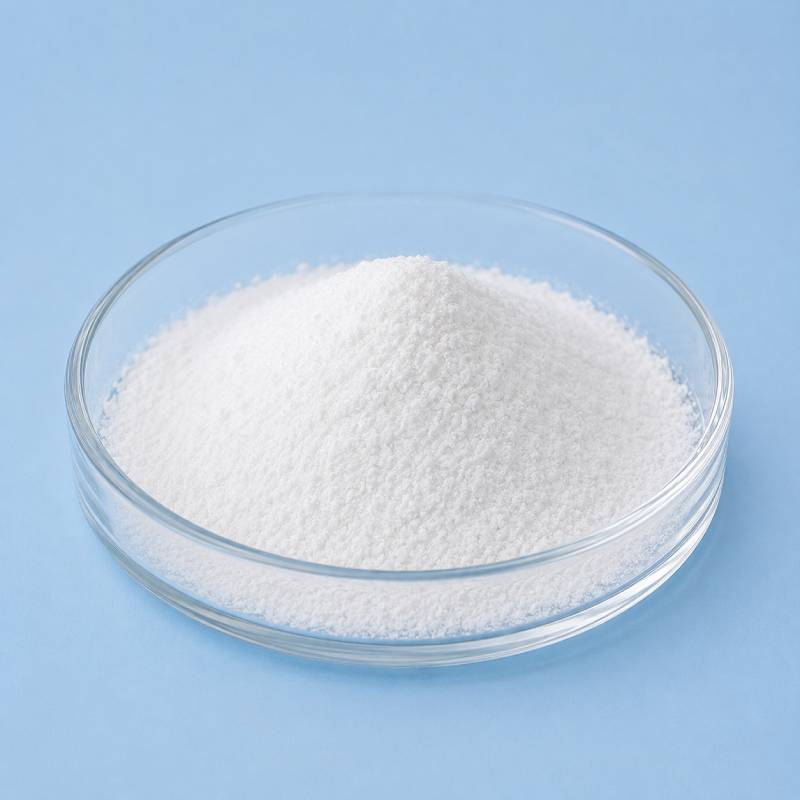
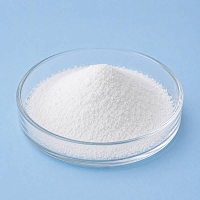
View Fine powder
Valid until 10.2027
Add a review
Your score:
Send feedback
Error

Close window
Product added to cart
Total:
Request the price of the product
Fill in the details for the price request
Request a price Request a price