Sodium Methylparaben: High-Efficiency Water-Soluble Preservative for Global Formulators
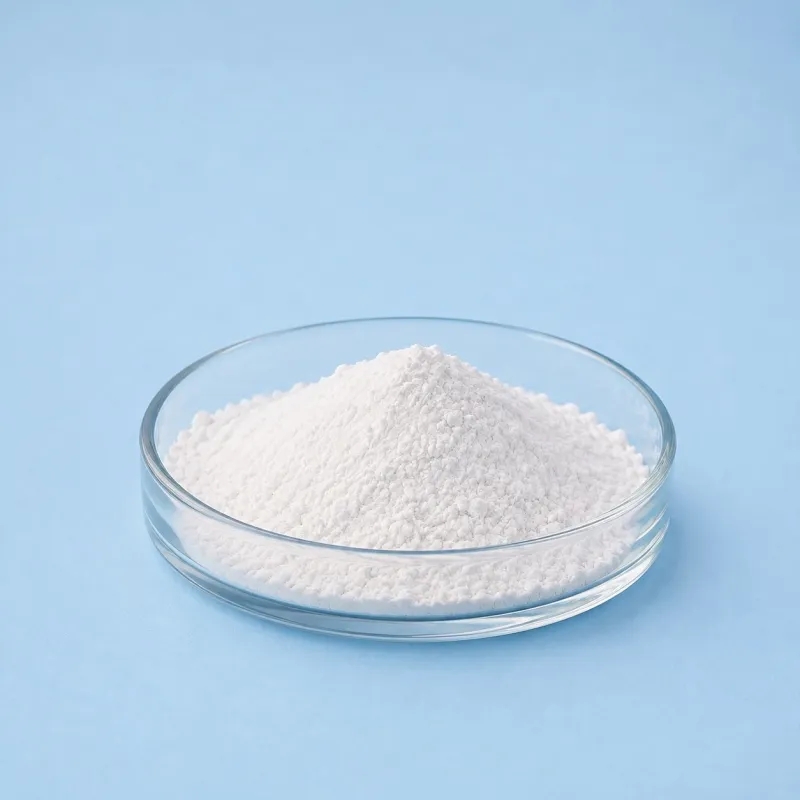
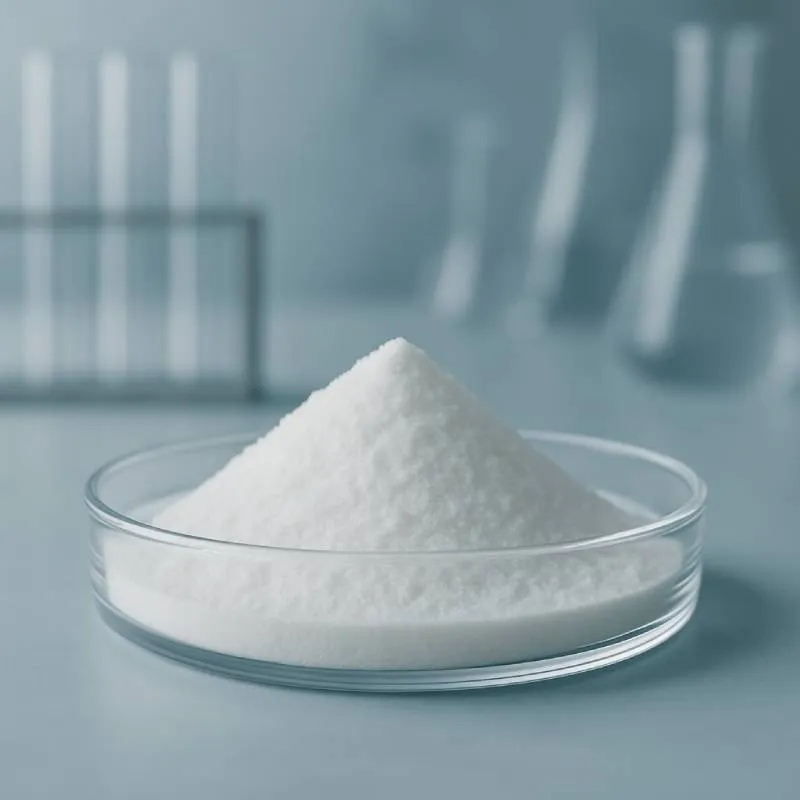
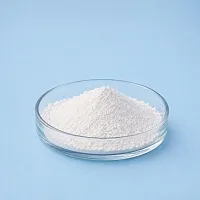
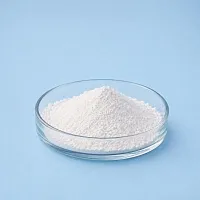
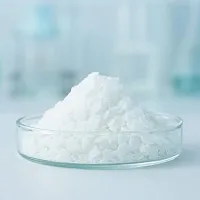
Sodium Methylparaben, also known as the sodium salt of methyl p-hydroxybenzoate, is a sophisticated antimicrobial agent widely utilized in the cosmetic, pharmaceutical, and industrial sectors. Unlike standard methylparaben, this sodium salt form is characterized by its excellent water solubility, making it an indispensable tool for formulators working with aqueous systems. It appears as a white, odorless crystalline powder that provides broad-spectrum protection against bacteria, yeasts, and molds. By effectively inhibiting microbial growth, Sodium Methylparaben ensures the safety, stability, and extended shelf life of various consumer products. As a globally recognized preservative, it meets rigorous quality standards, making it suitable for brands that distribute their products to international markets.
Technical Properties and Functional Benefits
The primary advantage of Sodium Methylparaben lies in its chemical versatility and ease of integration into modern manufacturing processes. It is particularly valued in cold-process formulations where heating is not an option.
Key functional characteristics include:
-
High Water Solubility: Dissolves instantly in water at room temperature, eliminating the need for heating or alcohol-based solvents during the mixing phase.
-
Broad-Spectrum Antimicrobial Activity: Highly effective against a wide range of gram-positive and gram-negative bacteria, as well as fungal contaminants.
-
Alkaline Stability: Operates effectively in a broad pH range, specifically maintaining its preservative power in formulations with a pH up to 9.5.
-
Low Toxicity Profile: When used within recommended concentrations, it is considered safe for topical applications in rinse-off and leave-on products.
-
Cost-Efficiency: Its high potency allows for very low usage rates, typically ranging from 0.1 percent to 0.3 percent of the total formulation weight.
Detailed Applications and Fields of Use
Sodium Methylparaben is a multifunctional preservative with diverse applications across multiple industries, supporting products shipped to customers worldwide.
Personal Care and Cosmetics: It is a staple in the production of shampoos, conditioners, hair gels, and liquid soaps. Its water solubility makes it perfect for clear formulations where transparency is vital. It is also used in water-based lotions, creams, and foundations to prevent spoilage.
Aqueous Pharmaceutical Preparations: Used as an excipient in liquid oral medications, topical ointments, and ophthalmic solutions (where permitted) to ensure sterility and patient safety during the product's use cycle.
Household and Industrial Products: Incorporated into liquid detergents, fabric softeners, and dishwashing liquids. It protects these formulations from microbial degradation that can occur due to water contamination during storage.
Veterinary Products: Applied in the formulation of animal care shampoos, ear cleaners, and topical treatments to maintain hygiene and product integrity.
Technical and Adhesion Fluids: Used in the production of water-based adhesives, glues, and coatings to prevent the growth of mold and bacteria that could compromise the bonding properties of the material.
Wet Wipe Manufacturing: A critical component in the liquid solution used to saturate cosmetic and hygiene wipes, ensuring they remain free from contamination after the package is opened.
Recipe: Professional Hydrating Rose Water Toner
This recipe demonstrates how to properly use Sodium Methylparaben to create a stable, professional-grade facial toner with a long shelf life.
Ingredients:
-
Ninety-five milliliters Rose Hydrosol or Distilled Water (Aqueous Base)
-
Three milliliters Vegetable Glycerin (Humectant)
-
One milliliter Panthenol Provitamin B5 (Skin Conditioning Active)
-
Zero point two grams Sodium Methylparaben (Preservative)
-
Zero point eight milliliters Polysorbate 20 (Solubilizer for fragrance)
Instructions for Preparation:
First Step — Preparation of the Aqueous Base: Pour the ninety-five milliliters of Rose Hydrosol or Distilled Water into a clean, sterilized glass beaker. Ensure the water is at room temperature.
Second Step — Dissolving the Preservative: Add exactly zero point two grams of Sodium Methylparaben to the water. Stir gently with a glass rod for approximately one to two minutes until the powder is completely dissolved and the liquid is perfectly clear.
Third Step — Adding Humectants and Actives: Introduce the three milliliters of Vegetable Glycerin and one milliliter of Panthenol into the solution. Stir well to ensure these skin-softening components are evenly distributed.
Fourth Step — Final Homogenization: If you choose to add an additional fragrance or essential oil, pre-mix it with the Polysorbate 20 before adding it to the beaker. Perform a final stir for one minute.
Fifth Step — Packaging: Transfer the finished toner into a bottle equipped with a fine mist sprayer or a simple cap. Store in a cool place away from direct sunlight.
Recommendations for Application and Storage:
-
pH Monitoring: Since Sodium Methylparaben can slightly increase the pH of a solution, always check the final pH of your toner. If necessary, use a small amount of citric acid solution to adjust the pH to a skin-friendly level of 5.0 to 5.5.
-
Dosage Precision: Always use a high-precision digital scale when weighing Sodium Methylparaben, as the required amounts are very small. The typical recommended concentration is 0.1 to 0.3 percent.
-
Compatibility: This preservative works exceptionally well in combination with Sodium Propylparaben to provide enhanced protection against a broader spectrum of fungi.
-
Storage of Raw Material: Keep the Sodium Methylparaben powder in its original airtight container in a dry, dark location to maintain its chemical potency for several years.