-
 Absolutes
-
 Active Complexes
-
 Actives & Peptides
-
 Amino Acids & Proteins
-
 Food Flavors
-
 Ayurvedic Ingredients & Herbs
-
 Vitamins & Coenzymes
-
 Chocolate Making Supplies
-
 Thickeners & Gelling Agents
-
 Hydrosols & Floral Waters
-
 Hydrolyzed Proteins
-
 Fragrance Ingredients
-
 Nutraceutical Ingredients
-
 Acids, Salts, Alcohols & Alkalis
-
 Preservatives & Antioxidants
-
 Cosmetic Ingredients
-
 Colorants, Micas & Glitters
-
 Masks, Scrubs & Botanicals
-
 Oils & Butters
-
 Candle Making Supplies
-
 Melt and Pour Soap Bases
-
 Cream, Lotion & Hair Care Bases
-
 Fragrance Oils & Industrial Aromatics
-
 Cleansing Agents & Surfactants
-
 Peeling Actives & Acids
-
 Cosmetic Powders
-
 Solvents & Humectants
-
 Silicones & Conditioning Agents
-
 Bottles, Jars & Vials
-
 Silicone & Plastic Molds, Tools
-
 Botanical Extracts
-
 Cosmetic Emollients
-
 Emulsifiers
-
 Essential Oils


Soap Base Ukraine

 Add to cart







 Subscribe

Glycerin and specialty bases for melt and pour projects
This section covers soap base supplied in Ukraine for melt and pour soap making, ranging from clear glycerin blocks to opaque white bases and specialty formulas enriched with shea, goat milk, or hemp components. Buyers can choose base type by transparency, hardness, lather quality, and how well it accepts colorants and fragrance additions.
Soap base of this kind serves both hobby crafters working in small home batches and production workshops that pour hundreds of bars per week. Because the base already contains the saponified structure, no lye handling is needed, which makes it a practical starting material for decorative bars, guest soaps, gift sets, and layered or embedded designs. Buyers scaling beyond occasional batches often move toward Melt and Pour Soap Bases Wholesale for steadier supply, while those comparing sourcing options sometimes look at Soap Base Germany alongside Ukrainian-supplied stock.
Types and How They Differ
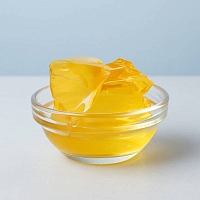
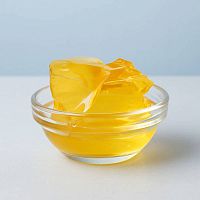
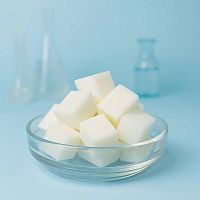
Clear glycerin bases are prized for their glass-like transparency, which makes them the natural choice for suspending decorative elements, layering colors, or showing off embedded objects inside a finished bar. A block like Neri Glassy Base Soap Base 1 kg stays translucent even after coloring, so pigment choice matters more than with opaque stock.
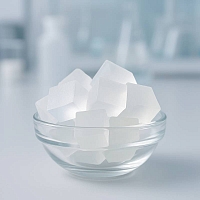
Opaque white bases behave differently. They read as solid and matte, hide any embedded texture, and give a cleaner canvas for opaque colorants or mica swirls. Neri White Base Soap Base 1 kg is typical of this category and works well when the goal is a uniform pastel or solid-color bar rather than transparency effects.
Olive-based formulas add a denser, richer lather profile and a slightly different feel on skin compared to standard glycerin stock. Neri Olive Soap Base 1 kg sits between clear and opaque bases in terms of finish, often used where a softer, more skin-conditioning bar is the goal.
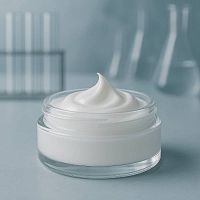
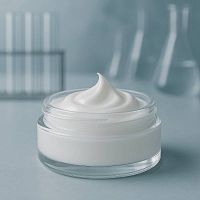
Cream bases form their own group, thicker and less pourable than glycerin blocks, better suited to piped textures, layered whipped effects, or bars with a denser body. They come in several pack sizes, from Neri Cream Soap Base 1 kg down to Neri Cream Soap Base 500 g and Neri Cream Soap Base 250 g, which lets smaller workshops trial the texture before committing to bulk volumes.
Choosing a Base and Pairing It With Other Materials
Selection usually starts with the finish you want on the shelf. Transparency calls for glycerin stock, a matte solid color calls for white base, and a denser skin feel calls for olive or cream formulas. From there, think about additive load: heavier inclusions like botanical bits or clay sit better in a firmer base, while liquid colorants and fragrance oils blend more evenly into a softer, more fluid melt.
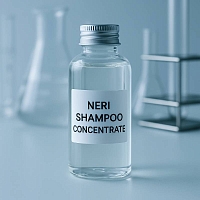
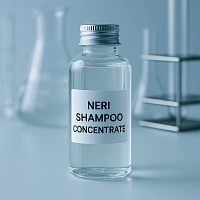
Beyond bar soap, liquid base concentrate extends the same category into pourable formats. Neri Shampoo Concentrate 500 ml is diluted rather than melted, giving workshops a way to produce liquid wash products alongside solid bars using a related base chemistry.
Origin and Storage
Stock in this section is supplied from Ukraine. Bases keep best sealed away from direct sunlight and heat sources, since prolonged warmth can soften blocks or cause sweating on the surface before melting even begins. Buyers comparing supply routes sometimes weigh this stock against Melt and Pour Soap Base England when planning orders that mix origins for cost or lead-time reasons.
FAQ
What is the difference between clear and white soap base
Clear base is transparent glycerin soap ideal for layering and embedding decorative elements, while white base contains opacifiers that give a creamy, dense finish. White base often produces richer lather and hides mica settling, whereas clear base shows every layer and inclusion clearly.
How do you add fragrance and color to melt and pour soap base
Melt the base gently, then stir in fragrance oil and colorant once the temperature drops slightly below boiling point to prevent evaporation or discoloration. Adding these at the right stage keeps scent strength consistent and prevents color from fading or seizing in the base.
How should soap base be stored before use
Keep blocks wrapped and stored in a cool, dry place away from direct sunlight and humidity, since moisture exposure can cause sweating or a sticky surface over time. Properly stored base remains stable for extended periods and melts evenly when needed.
Can shea or goat milk soap base be layered with clear glycerin base
Yes, layering opaque and clear bases is common for creating contrast and depth in finished bars, as long as each layer is cooled enough to hold shape before the next is poured. Matching melting temperatures between the two bases helps layers bond without separating later.
Recommendations
Choose your soap base by matching transparency, hardness, and lather behavior to the finished design you have planned, whether that is a layered bar, an embedded piece, or a simple molded shape. Order small trial quantities first if you are testing a new formula with fragrance or colorant before committing to a larger batch. For steady supply across production runs, reach out by email to discuss volumes and delivery timing.



