-
 Absolutes
-
 Active Complexes
-
 Actives & Peptides
-
 Amino Acids & Proteins
-
 Food Flavors
-
 Ayurvedic Ingredients & Herbs
-
 Vitamins & Coenzymes
-
 Chocolate Making Supplies
-
 Thickeners & Gelling Agents
-
 Hydrosols & Floral Waters
-
 Hydrolyzed Proteins
-
 Fragrance Ingredients
-
 Nutraceutical Ingredients
-
 Acids, Salts, Alcohols & Alkalis
-
 Preservatives & Antioxidants
-
 Cosmetic Ingredients
-
 Colorants, Micas & Glitters
-
 Masks, Scrubs & Botanicals
-
 Oils & Butters
-
 Candle Making Supplies
-
 Melt and Pour Soap Bases
-
 Cream, Lotion & Hair Care Bases
-
 Fragrance Oils & Industrial Aromatics
-
 Cleansing Agents & Surfactants
-
 Peeling Actives & Acids
-
 Cosmetic Powders
-
 Solvents & Humectants
-
 Silicones & Conditioning Agents
-
 Bottles, Jars & Vials
-
 Silicone & Plastic Molds, Tools
-
 Botanical Extracts
-
 Cosmetic Emollients
-
 Emulsifiers
-
 Essential Oils


Melt and Pour Soap Bases






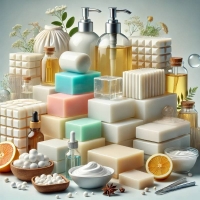
Ready to melt bases for handmade and commercial batches
Melt and pour soap bases are precut or block glycerin soap that only needs melting, coloring and pouring into molds. They skip the lye stage entirely, which makes them a practical starting point for makers who want reliable bars without handling caustic solutions. The range covers clear, opaque, goat milk, shea and hemp formulas suited to different skin feel and finish.
These bases are used across bath bars, guest soaps, specialty gift sets and small batch retail lines, since the finished bars set quickly and hold added botanicals or exfoliants without separating. Producers scaling beyond a hobby kitchen often move toward melt and pour soap bases wholesale to keep unit costs down on larger runs. Some formulators also compare local stock against imported options such as soap base Germany when a specific texture or clarity is required for a particular product line.
Clear, opaque and enriched formulas compared
Clarity is the first thing that separates one base from another. Fully transparent blocks show off suspended botanicals, layered colors or embedded objects, while opaque bases hide texture and give a softer, more matte bar. Enriched versions built around goat milk, shea butter or hemp oil sit somewhere between the two, usually with a creamy off white tone and a noticeably richer afterfeel on skin.
Detergent content is the second variable worth checking before ordering. Options labeled SLS Free Soap Base 12 kg or the larger SLS Free Soap Base 46 kg drop sodium lauryl sulfate from the formula, which changes lather density and is often requested for sensitive skin lines. A milder WSLS version is available as WSLS Free Soap Base 12 kg and in bulk as WSLS Free Soap Base 46 kg, giving makers a middle ground between a fully detergent free bar and a standard clear base.
Choosing a base and building the recipe around it
Pick clarity first if the design relies on visible layers, suspended petals or glitter particles, since anything opaque will mask that detail. For a softer bar aimed at facial or hand use, a formula closer to White Soap Base WST 12 kg gives a denser, more opaque structure that holds fine additives well without them sinking to the bottom of the mold.
Color and shimmer come from a separate part of the range, and dyes, mica and cosmetic glitter from Dyes, Pearlescents, and Glitters disperse cleanly into a melted base once it has cooled slightly below boiling. Dried botanicals, oat flakes and clay powders sourced from Face Masks, Scrubs, and Dried Flowers work as texture and exfoliation additions, while finished bars are unmolded, wrapped and displayed using the trays, cutters and packaging listed under Molds, Packaging, Tools. A honey based formula such as Soap base Honey soap base England, from 12 kg is chosen specifically when a warmer amber tone and a slightly different scent carrier is wanted in the finished bar.
Origin, packaging and storage
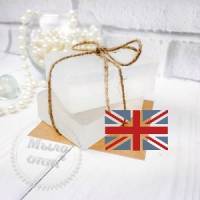
Stock in this range is sourced from established manufacturing regions including England, the United Kingdom, Germany, the United States, Poland, Belarus, India and France, and buyers comparing origins by supplier can browse blocks grouped under Melt and Pour Soap Base England, Soap Base Belarus or by manufacturer under Stephenson Soap Base.
Blocks are supplied in sealed packaging and keep best in a cool, dry space away from direct sunlight and strong odors, since the base can absorb ambient scent over long storage. Once opened, wrapping the remaining block tightly limits moisture loss and keeps the surface from developing a dull, sweaty film before the next melt.
FAQ
What is the difference between melt and pour soap base and cold process soap
Melt and pour base arrives precut and ready to melt, so there is no lye handling or curing wait. Cold process starts from raw oils and sodium hydroxide, needing weeks to cure. Melt and pour suits faster production runs and beginners avoiding caustic mixing.
How much melt and pour soap base do i need per bar
A standard bar mold usually takes about 80 to 120 grams of melted base, depending on cavity size and thickness. It helps to weigh one empty mold first, then calculate the full batch from that figure to avoid over ordering or running short mid pour.
Why does my melt and pour base sweat or develop droplets
Sweating happens when glycerin in the base draws moisture from humid air, forming small surface droplets. It is more common in glycerin rich clear bases stored in damp rooms. Wrapping finished bars and keeping storage areas dry and cool reduces the effect significantly.
Can melt and pour soap base be colored and scented at home
Yes, both liquid and micronized colorants along with skin safe fragrance or essential oils can be blended into the melted base before pouring. Adding them once the base has cooled slightly, rather than at full boil, helps preserve scent strength and color consistency in the finished bar.
How should melt and pour soap base be stored before use
Keep blocks wrapped in their original packaging, away from direct sunlight and heat sources, ideally below room temperature. Proper storage prevents premature sweating and keeps the base firm enough to cut cleanly when a batch is ready to be melted.
Recommendations
Choosing the right block often comes down to the finished bar you have in mind rather than the base alone. Clear formulas suit layered or embed designs where visual detail matters, while goat milk and shea variants work better for gift bars marketed on skin feel. For larger production runs, ordering full cases keeps melting sessions efficient and reduces packaging waste per bar. If you are unsure which formula fits your mold size or fragrance load, reach out by email with your project details and current batch volume, and we can help narrow down a suitable base and pack size for your next run.

This section is still empty
You can go back to the catalog page or use the navigation or search on the site.
Home page- Абсолюты
- Активные комплексы
- Активы и пептиды
- Аминокислоты
- Ароматизаторы пищевые
- Аюрведа
- Витамины
- Все для шоколада
- Гелеобразователи и загустители
- Гидролаты
- Гидролизаты протеинов
- Душистые и ароматические вещества
- Ингредиенты для нутрицевтики
- Кислоты, Соли, Спирты, Щелочи
- Консерванты и Антиоксиданты
- Косметические ингредиенты
- Красители, Перламутры и Глиттеры
- Маски для лица, скрабы, сухоцветы
- Масла и баттеры
- Материалы для свечей
- Мыльная основа
- Основа для косметики, крема, сыворотки, шампуня
- Отдушки
- ПАВы, поверхностно-активные вещества
- Пилинги
- Порошки и Пудры
- Растворители и увлажнители
- Силиконы и кондиционирующие ПАВы для волос
- Тара для косметики и парфюмерии
- Формы, упаковка, разное
- Экстракты
- Эмоленты
- Эмульгаторы
- Эфирные масла



