A comprehensive technical formulation guide dedicated to managing rheology in cosmetics using the natural polysaccharide AMIGEL (Sclerotium Gum). This article explores the physical mechanisms of polymer hydration and network formation for structuring clear gels, light emulsions, and particle-suspending fluids. It covers pre-dispersion in polyols, electrolyte stability, shear rate handling, incompatibility limits, thermal limits, and precise pH controls. Features three complete DIY recipes with step-by-step compounding instructions and cold storage standards.
A comprehensive technical formulation guide dedicated to utilizing the bio-based film former Natpure Film AP (derived from sugar cane) in color cosmetics and hair care. This article breaks down the physical mechanics of flexible film creation, moisture resistance, and pigment adhesion enhancement. It covers aqueous dissolution protocols, compatibility with natural polymers and gums, thermal boundaries, and precise pH controls. Features three complete DIY recipes with step-by-step compounding instructions and storage standards.
A comprehensive technical formulation guide to designing skin barrier restoration creams and liposomal fluids using ViableCare LipoCare 8. This article breaks down the physiological mechanism of ceramide integration into stratum corneum lipids to stop transepidermal water loss. It details exact processing protocols to protect liposomal structures, low-shear cooling phase entry below thirty degrees Celsius, emulsifier compatibility, and pH boundaries. Features three complete DIY recipes with step-by-step compounding instructions and cold storage standards.
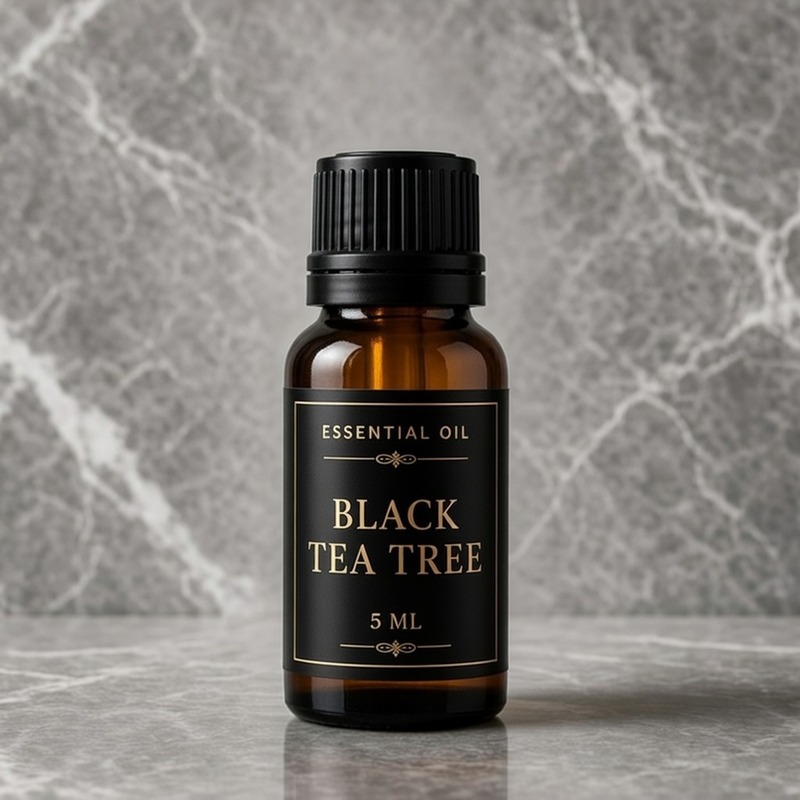
Melaleuca bracteata Essential Oil: The Gentle Power of Golden Tea Tree
Introducing Melaleuca bracteata Essential Oil, a unique and milder alternative to traditional Tea Tree Oil (Melaleuca alternifolia), steam-distilled from the leaves of the Golden Tea Tree. While sharing some of the beneficial properties of its more common relative, Melaleuca bracteata offers a typically gentler aroma, often described as sweeter, woodier, and less camphoraceous. This makes it an excellent choice for individuals with sensitive skin or those who find the scent of traditional Tea Tree Oil overpowering, while still providing valuable properties for various cosmetic applications.
Versatile Applications and Areas of Use in Cosmetics:
Melaleuca bracteata Essential Oil's gentler profile and beneficial properties make it a valuable addition to a range of cosmetic formulations:
Gentle Acne and Blemish Treatments: Its potential antimicrobial and anti-inflammatory properties can help address acne and blemishes without the harshness sometimes associated with traditional Tea Tree Oil. Ideal for sensitive or reactive skin types.
Soothing Scalp Treatments: Incorporate into shampoos, conditioners, and scalp serums to help soothe irritation, reduce dandruff, and promote a healthy scalp environment, with a milder and more pleasant aroma.
Gentle Cleansing Formulations: Add to facial cleansers and body washes for its potential cleansing and purifying properties, suitable for daily use even on sensitive skin.
Wound Care and Minor Skin Irritation Balms: Its traditional use suggests potential benefits for soothing minor cuts, scrapes, and insect bites, offering a gentler alternative for sensitive areas.
Foot Care Products: Include in foot soaks, scrubs, and balms for its potential antifungal and deodorizing properties, helping to maintain healthy and fresh-smelling feet without a strong medicinal scent.
Natural Deodorants: Its potential antibacterial properties can contribute to natural deodorant formulations, helping to neutralize odor-causing bacteria with a milder, woodier aroma.
Facial Toners and Mists: Add a diluted amount to facial toners and mists for its gentle purifying and refreshing properties, suitable for sensitive skin.
Hand Sanitizers (Cosmetic): Its potential antimicrobial properties can be utilized in cosmetic hand sanitizing formulations, offering a less pungent alternative to alcohol-based options (always ensure efficacy through proper testing).
Aromatherapy in Personal Care: Its milder, woodier aroma can provide a calming and grounding aromatherapy benefit when incorporated into personal care products.
Key Advantages for Cosmetic Formulations:
Gentler Alternative to Traditional Tea Tree Oil: Offers similar beneficial properties with a less intense and more pleasant aroma, suitable for sensitive skin.
Potential Antimicrobial Properties: May help to combat bacteria and fungi on the skin, beneficial for acne and scalp care.
Anti-Inflammatory Potential: Can help to soothe irritated and inflamed skin conditions.
Woody and Sweeter Aroma: Provides a unique and milder scent profile compared to the strong camphoraceous notes of Melaleuca alternifolia.
Versatile Application: Can be incorporated into a wide range of cosmetic and personal care products.
Worldwide Shipping: Our online store ensures reliable delivery to customers across the globe.
Cosmetic Recipe: Gentle Blemish Soothing Gel
Ingredient
Quantity (by weight)
Aloe Vera Gel
70%
Witch Hazel Hydrosol (Alcohol-Free)
20%
Glycerin
5%
Melaleuca bracteata Essential Oil
3%
Xanthan Gum
2%
Natural Preservative
As per manufacturer instructions
Instructions:
In a clean beaker, slowly whisk the Xanthan Gum into the Aloe Vera Gel until fully dispersed and a smooth gel consistency is achieved. Allow it to hydrate for about 15-20 minutes.
In a separate clean beaker, combine the Witch Hazel Hydrosol and Glycerin. Stir well.
Gently incorporate the Witch Hazel and Glycerin mixture into the Aloe Vera Gel, stirring continuously until well combined.
In a small, separate container, carefully measure the Melaleuca bracteata Essential Oil.
Add the essential oil to the gel mixture and stir thoroughly to ensure even distribution.
Finally, add the natural preservative according to the manufacturer's instructions and mix well.
Transfer the gel into a clean, airtight container.
Application Recommendations:
Apply a small amount of the Gentle Blemish Soothing Gel directly to blemishes and areas of skin irritation.
Use 1-2 times daily after cleansing the skin.
Avoid contact with the eyes and mucous membranes.
Perform a patch test on a small area of skin before widespread use to check for any potential sensitivity.
Store the gel in a cool, dark place.
For a more potent treatment, the concentration of Melaleuca bracteata Essential Oil can be slightly increased, but always start with a lower concentration, especially for sensitive skin.
Characteristics:
INCI
Melaleuca Bracteata Leaf Essential Oil
Other
Application
Cosmetics: in face washes, serums, masks, spot treatments for inflammation Aromatherapy: for colds, in antiseptic mixtures, for air purification Perfumery: as a green and woody note in unisex and niche compositions Soaps and shampoos: in antiseptic, tonic formulas Body care: in foot creams, deodorants, anti-irritation products Massage: for skin inflammation, for lymphatic drainage and cleansing Baths and spas: as a tonic and antiseptic
Aroma
Fresh, tart, spicy with light notes of eucalyptus, wood and caramelized greenery. Unlike classic tea tree oil, it has a softer, rounder and noble aroma, with honey and fruity-woody nuances. Pairs well with lavender, rosemary, tea tree, sage, basil, cedar, geranium and eucalyptus oils.
Aroma lamp, diffuser: 3–5 drops Face cosmetics: 0.2–0.5% Body cosmetics: up to 1% Serums and sprays: 0.3–0.7% Massage oils: 3–6 drops per 10 ml base Perfumes: 1–4% Soaps, shampoos, candles: up to 1% Baths: 4–6 drops per emulsifier or sea salt A sensitivity test is recommended before use. Do not use in pure form on the skin.
Features
All information presented on the site is for reference only
Melaleuca bracteata essential oil is used in cosmetics, aromatherapy, pharmaceutical formulas, spa practices and perfumery. Due to the high content of antioxidant and antiseptic components, this oil is especially effective in the care of oily, problematic and inflamed skin. It is used in acne, dandruff, fungal skin lesions, dermatitis products. It has a soft but stable effect, suitable for daily care. In aromatherapy, it is used to strengthen the immune system, cleanse the space and combat the viral load. In perfumery, it is used as a phyto-note of freshness, ideal for men's and functional fragrances.