-
 Absolutes
-
 Active Complexes
-
 Actives & Peptides
-
 Amino Acids & Proteins
-
 Food Flavors
-
 Ayurvedic Ingredients & Herbs
-
 Vitamins & Coenzymes
-
 Chocolate Making Supplies
-
 Thickeners & Gelling Agents
-
 Hydrosols & Floral Waters
-
 Hydrolyzed Proteins
-
 Fragrance Ingredients
-
 Nutraceutical Ingredients
-
 Acids, Salts, Alcohols & Alkalis
-
 Preservatives & Antioxidants
-
 Cosmetic Ingredients
-
 Colorants, Micas & Glitters
-
 Masks, Scrubs & Botanicals
-
 Oils & Butters
-
 Candle Making Supplies
-
 Melt and Pour Soap Bases
-
 Cream, Lotion & Hair Care Bases
-
 Fragrance Oils & Industrial Aromatics
-
 Cleansing Agents & Surfactants
-
 Peeling Actives & Acids
-
 Cosmetic Powders
-
 Solvents & Humectants
-
 Silicones & Conditioning Agents
-
 Bottles, Jars & Vials
-
 Silicone & Plastic Molds, Tools
-
 Botanical Extracts
-
 Cosmetic Emollients
-
 Emulsifiers
-
 Essential Oils


Decorative sprinkles

 Add to cart




 Subscribe


Texture and color accents for handmade and industrial batches
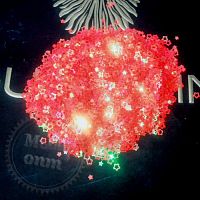
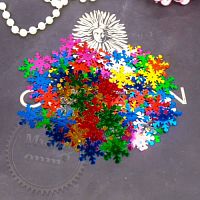
Decorative sprinkles are small pressed or cut particles used to add visual texture, color contrast, and a tactile finish to cosmetic and craft compositions. They come in various shapes, sizes, and colors, and are formulated to hold their form when mixed into a base rather than dissolving or bleeding color into it.
These particles work well in body scrubs, balms, bath products, and decorative craft blends, where a stable visual accent matters more than dissolving into the mixture. Formulators often pair sprinkles with other visual components such as glitter dust and sprinkles for layered shine, or combine them with lightweight fillers like foam balls to build volume and contrast within the same batch.
Because these particles are supplied as raw components, formulators choose them for a wide range of finished compositions, adjusting size and color combinations depending on the intended texture and visual effect of the final product.
Shapes and finishes within the range
Sprinkles are cut or pressed into distinct shapes, and this shape largely defines how they read visually once mixed into a base. Star cuts such as tiny gold hologram stars 2 mm or the silver version at the same 2 mm size sit flat and catch light differently than a rounded heart shape like the pink chameleon heart sequins, which shift tone depending on the viewing angle. A plain red star sequin gives a solid, high-contrast accent, while foil-cut pieces such as gold kamifubuki are thinner and scatter more loosely through a base, producing a lighter, confetti-like scatter rather than a dense cluster.
Particle size is the other main variable. Smaller pieces in the 2 mm range distribute evenly and read as fine speckling across the surface of a finished product, while larger sequins and hearts stay visible as individual accents and are better suited to compositions where distinct particles should remain identifiable rather than blend into an overall texture.
Selecting a variant and building a formula
Choosing between shapes, colors, and sizes comes down to the visual effect a batch needs and how the particles will behave once combined with the rest of the base. Formulators typically decide first whether they want a dense, uniform speckle or a scattering of larger, individually visible pieces, then match particle size and shape to that goal. Color contrast against the base is a second factor, since a chameleon or hologram finish reads very differently on a light background than a solid color does.
Because these particles are stable rather than dissolving, they are frequently combined with other visual raw materials to build layered effects within the same batch. For a broader range of shapes, colors, and finishes to mix and match, the slime additives section groups related decorative components, while fimo pieces offer a firmer, clay-based alternative for compositions that call for a more solid, dimensional accent alongside flat sequins and foil scatter.
Origin and storage
The sprinkles and sequins in this range are sourced from suppliers in China. Because the particles are dry and lightweight, they should be kept in sealed containers away from moisture and direct sunlight, which helps foil and hologram finishes retain their reflective quality over time and prevents smaller pieces from clumping or scattering during storage.
FAQ
What are decorative sprinkles made from and are they safe for cosmetic use?
Sprinkles are pressed or cut solid particles formulated to keep their shape and color when blended into a base. They are designed for cosmetic and craft compositions and do not dissolve or bleed color, making them suitable for scrubs, balms, and decorative blends.
Will sprinkles dissolve or lose color in a wet formulation?
No, these particles are specifically formulated to hold their structure and color when mixed into liquid or semi-solid bases. This stability is what separates them from soluble colorants and makes them reliable for layered visual effects in finished compositions.
What sizes and shapes of sprinkles are available for texture design?
The range includes multiple cut shapes and particle sizes, from fine textured pieces to larger star and shaped cuts. Choosing size and shape depends on whether you want subtle texture or a bold, visible accent in the final blend.
Can sprinkles be combined with other decorative fillers in one batch?
Yes, sprinkles are commonly layered with shimmer particles or lightweight fillers to build contrast and volume. Combining different shapes, sizes, and finishes in one composition is a standard way to create a more dynamic textured result.
Recommendations
When choosing a batch of sprinkles, match particle size and shape to the texture you want in the final composition, finer cuts blend more subtly while larger star shapes create a bold visual accent. Check color consistency across the batch if uniform tone matters for your line. For guidance on pairing shapes and finishes with your specific formulation, reach out to our team by email and we will help you select the right combination.



