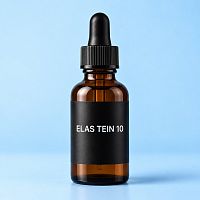
What Makes This Citrus CO2 Concentrate a Go-To for Toning Formulas
Grapefruit CO2 extract is obtained through supercritical extraction of the peel, which allows the concentrate to retain a rich profile of volatile aromatic compounds and active constituents without any trace of solvents. This ingredient belongs to the CO2 Extracts category, covering natural concentrates used across cosmetic, fragrance, food and pharmaceutical manufacturing. The 5 gram size is well suited for home formulators, hobbyists testing new recipes, and small trial batches before scaling up a formula for larger production runs.
The most common application of grapefruit CO2 extract is in skincare for oily and blemish-prone skin, as well as in anti-cellulite and body-toning products. Compounds such as naringin and limonene give it a refreshing effect on skin tone and a lively citrus scent that lifts the sensory profile of a finished formula. In creams, gels and serums it is typically added at 0.1 to 1 percent during the cool-down phase, once the base has dropped below roughly 35 to 40 degrees Celsius, to protect its volatile fraction from heat degradation. In massage oils and firming body blends the dosage can go up to around 2 percent depending on the desired scent strength and functional activity.
Beyond skincare, this extract is widely used as a top note in fine fragrance, in aromatherapy blends, home fragrance sprays and household cleaning products, thanks to its bright yet balanced citrus character. In the food industry, similar citrus CO2 extracts are used to flavor beverages and confectionery, though food-grade purity should always be confirmed separately before any edible application.
Grapefruit CO2 extract pairs well with other CO2 concentrates, allowing formulators to build more complex, functional blends. For calming formulas aimed at sensitive skin, it is often combined with Chamomile officinalis CO2 Extract 5 g, while relaxing evening blends benefit from a mix with Hop CO2 Extract 5 g. In figure-correcting and circulation-boosting products, it works particularly well alongside Artichoke CO2 Extract 5 g, which supports lipid metabolism and drainage effects. It can also be blended into carrier oils such as jojoba, grapeseed or sweet almond, which serve as a neutral base without masking the citrus aroma.
The extract should be stored in a tightly sealed dark glass container, kept refrigerated or in a cool place away from direct light, since terpene compounds are sensitive to oxidation and heat exposure. When storage conditions are respected, the product keeps its activity and scent throughout its stated shelf life. If the extract thickens at low temperature, warming the bottle briefly in your hands before use restores its usual fluidity.
Refreshing Grapefruit Body Toning Gel
Aloe vera gel 75 g
Rosemary hydrosol 15 g
Grapefruit CO2 extract 0.3 g
Cosmetic caffeine 1 g
Xanthan gum 0.5 g
Broad spectrum preservative 1 g
Disperse
the xanthan gum into the rosemary hydrosol until fully smooth, then blend in
the aloe vera gel until the mixture is uniform. Dissolve the caffeine in a
small amount of warm water and stir it into the base. Once the mixture has
cooled below 35 degrees Celsius, add the grapefruit CO2 extract and the
preservative, mix thoroughly, and transfer into a dark glass or opaque
container to protect the formula from light.