What makes glutamic acid a staple raw material across food, feed and personal care manufacturing
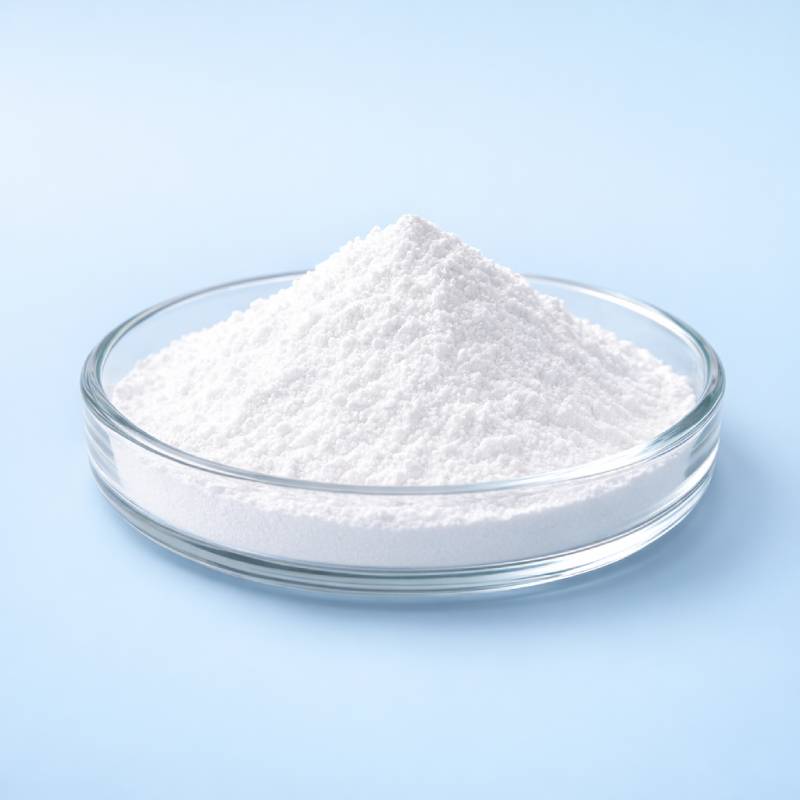
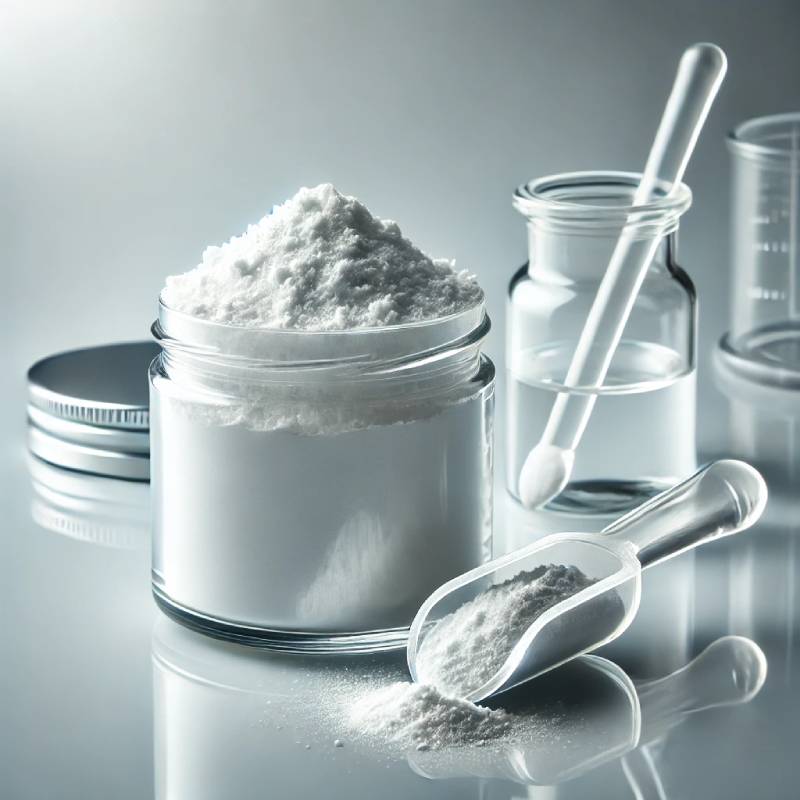
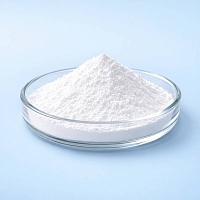
Glutamic acid is one of the most widely used amino acids in global industrial manufacturing, and the 1kg package is intended for serial and conveyor-line production where consistent supply and predictable batch-to-batch quality matter most. This ingredient belongs to the Amino Acids section, which brings together biochemically active substances used in food processing, skin care and specialized manufacturing processes. The largest share of global demand for glutamic acid comes from the food and animal feed industry: it is used to produce flavor enhancers, bouillon concentrates, seasoning blends and functional feed additives that improve protein digestibility and overall taste profile of finished products. The second major application area is pharmaceutical and biochemical research, where the substance serves as a reagent and a component of nutrient media. A third and smaller but steady application belongs to personal care manufacturing, where glutamic acid functions as a natural part of the skin's own moisturizing factor, helping the skin retain water and maintain elasticity.
In skin care formulations, glutamic acid is typically added to the water phase during the cooling stage of an emulsion, at a temperature not exceeding 40 degrees Celsius, to avoid breaking down the molecule's structure. Standard dosage in serums and creams ranges from 0.5 to 3 percent of the total formula weight, while in feed and food blends the exact percentage is calculated individually by a technologist based on the required flavor profile or amino acid balance. The substance dissolves well in aqueous systems under mild heating and combines reliably with other free amino acids and peptide complexes, which allows it to be paired with other active ingredients in a formulation. For instance, in products aimed at strengthening hair and nail structure, glutamic acid is often combined with L-Proline, while formulas targeting skin hormonal balance and antioxidant support are frequently paired with Soy Isoflavones. In sports nutrition blends, glutamic acid is commonly introduced alongside other proteinogenic amino acids, including D-Aspartic Acid, which reinforces the overall metabolic effect of the complex.
For conveyor-scale manufacturing, the 1kg pack size is convenient because it allows a technologist to calculate large batch formulations without frequent packaging changes or the risk of line downtime due to raw material shortage. The substance withstands storage at room temperature in a dry area protected from direct sunlight and high humidity, and resealing the container tightly after opening is essential since the compound is hygroscopic and may cake on contact with air. Under proper storage conditions, shelf life typically exceeds two years, which makes bulk purchasing economically reasonable for facilities with steady production volumes. When working with food or feed formulations, it is worth accounting for compatibility with mineral salts, as certain metal ions can affect the solubility and stability of the finished blend, so preliminary testing of small batches before scaling up to full production volume is recommended.
Barrier repair night cream for industrial small-batch production
Distilled water 700 ml
Glutamic acid 12 g
Shea butter 60 g
Cetyl alcohol 25 g
Emulsifying wax 30 g
Broad spectrum preservative 7 ml
Melt
shea butter, cetyl alcohol and emulsifying wax together in a heatproof
container over a water bath until fully liquid, keeping the temperature around
70 degrees Celsius. Separately heat the distilled water to the same
temperature, then slowly pour the oil phase into the water phase while stirring
continuously until a uniform emulsion forms. Cool the mixture down to 40
degrees Celsius, then dissolve glutamic acid directly into the cooling base,
stirring until no particles remain visible. Once the cream reaches room
temperature, blend in the preservative thoroughly for two to three minutes.
Transfer the finished cream into clean jars and allow it to rest for twenty
four hours before labeling or packaging for distribution.