Fast worldwide delivery
Product catalog
Master classes, recipes, tips
AMIGEL rheology guide: Sclerotium Gum in gels emulsions and suspensions
A comprehensive technical formulation guide dedicated to managing rheology in cosmetics using the natural polysaccharide AMIGEL (Sclerotium Gum). This article explores the physical mechanisms of polymer hydration and network formation for structuring clear gels, light emulsions, and particle-suspending fluids. It covers pre-dispersion in polyols, electrolyte stability, shear rate handling, incompatibility limits, thermal limits, and precise pH controls. Features three complete DIY recipes with step-by-step compounding instructions and cold storage standards.
Natpure Film AP: natural film-forming technology for skin color cosmetics and hair
A comprehensive technical formulation guide dedicated to utilizing the bio-based film former Natpure Film AP (derived from sugar cane) in color cosmetics and hair care. This article breaks down the physical mechanics of flexible film creation, moisture resistance, and pigment adhesion enhancement. It covers aqueous dissolution protocols, compatibility with natural polymers and gums, thermal boundaries, and precise pH controls. Features three complete DIY recipes with step-by-step compounding instructions and storage standards.
ViableCare LipoCare 8: integrating a liposomal ceramide complex into barrier-care formulas
A comprehensive technical formulation guide to designing skin barrier restoration creams and liposomal fluids using ViableCare LipoCare 8. This article breaks down the physiological mechanism of ceramide integration into stratum corneum lipids to stop transepidermal water loss. It details exact processing protocols to protect liposomal structures, low-shear cooling phase entry below thirty degrees Celsius, emulsifier compatibility, and pH boundaries. Features three complete DIY recipes with step-by-step compounding instructions and cold storage standards.
Product Description

Glucose Thickener functional properties and strategic value in modern surfactant systems

The global cosmetic and personal care manufacturing sectors increasingly prioritize green, bio-based raw materials that combine exceptional performance with environmental sustainability. Glucose Thickener stands out as a premium, plant-derived rheology modifier designed specifically to optimize the viscosity and sensory profiles of rinse-off formulations. This specialized ingredient, chemically anchored on a natural glucose backbone, functions as a highly efficient, non-ionic associative thickener. It is widely selected by formulations laboratories, contract manufacturers, and independent beauty brands because it eliminates the need for harsh, traditional salt-based thickening methods. By seamlessly integrating into liquid cleansing systems, this material ensures the physical stability of surfactant formulations while providing an elegant, honey-like rheological behavior that consumers associate with premium personal care products.

Structural mechanism and manufacturing advantages

The technical brilliance of Glucose Thickener lies in its unique macromolecular structure, which interacts synergistically with the micellar networks of primary and secondary surfactants. Unlike traditional polymer gums or synthetic polyacrylates that can leave a sticky residue or distort the clarity of solutions, this glucose-based derivative forms clean, reversible physical bonds within the cleansing matrix. It dramatically reduces the irritation potential of anionic surfactants, making it an indispensable functional additive for clean beauty projects, baby care formulations, and sensitive skin products. For process engineers and cosmetic chemists, this raw material offers remarkable processing flexibility as it operates effectively across a wide pH range, can be processed via cold or hot methods, and retains excellent transparency without clouding the final formulation. It works perfectly with standard amphoteric co-surfactants, alkyl polyglucosides, and traditional sulfates, helping manufacturers reduce the overall surfactant load without sacrificing viscosity or foam volume.

Industrial applications and market integration

The industrial demand for glucose-derived rheology modifiers spans across several key manufacturing sectors, highlighting its versatility in both large-scale commercial lines and boutique artisan workshops. In cosmetic manufacturing, it is a staple ingredient for clarifying face washes, premium body cleansers, and high-end facial cleansers where crystal-clear transparency is required. The hair care industry heavily relies on this compound to build rich textures in organic shampoos, deep-cleansing scalp treatments, and moisturizing hair washes, where it also contributes to improved combability and hair surface smoothness.

In the realm of professional soap making and specialized hand wash production, this ingredient elevates the sensory quality of liquid soaps, allowing developers to craft luxury products that do not dry out the skin barrier. The household chemical industry increasingly implements this non-ionic helper in eco-certified dishwashing liquids, fine fabric washes, and gentle surface cleaners to meet strict international green label criteria. Furthermore, the global wellness and professional spa markets integrate this compound into therapeutic bath gels, clarifying body muds, and professional hydro-cleansing protocols that require rich, non-dripping textures capable of carrying high concentrations of essential oils and specialized botanical extracts.

Global market demand and formulation development

As regulatory frameworks and search systems in 2026 place higher priority on ingredient transparency and consumer safety, Glucose Thickener has achieved significant prominence on the international B2B market. Its natural pedigree satisfies the requirements of eco-conscious product registries, making it a favorite for private label contract manufacturing aimed at demanding European, Asian, and American distribution channels. Developers choose this material because it acts as a reliable stabilizing agent, preventing phase separation in complex formulas containing high levels of fragrance oils, plant lipids, or delicate active components. It ensures a stable, uniform discharge from pump dispensers and bottles, elevating the overall consumer perception of product quality from the first use to the last drop.

Formulation Template Hydrating Botanical Body Wash

This blueprint demonstrates the physical compatibility and rheological efficiency of the plant-derived glucose modifier in a gentle, non-stripping daily cleansing wash.

Chamomile hydrosol 62 ml Coco glucoside 15 ml Cocamidopropyl betaine 12 ml Glucose Thickener 6 grams Vegetable glycerin 3 ml Euxyl K903 preservative 1 ml Natural fragrance blend 1 ml

The manufacturing sequence begins by warming the chamomile hydrosol slightly to approximately forty degrees Celsius to facilitate quicker dissolving, then adding the non-ionic Glucose Thickener under slow, steady agitation until a perfectly homogeneous, viscous fluid base is formed. Next, the primary and secondary surfactants, coco glucoside and cocamidopropyl betaine, are gently folded into the mixture, avoiding the incorporation of excess air or foam generation. Once the surfactant matrix is uniform, the vegetable glycerin, specific preservative system, and natural fragrance oil are introduced during the cooling phase.

The resulting product exhibits a pristine, water-white clarity with a luxurious, luxurious pouring speed and an ultra-mild, creamy lather that leaves the skin feeling supple and thoroughly hydrated.

The strategic inclusion of Glucose Thickener within industrial personal care portfolios represents a highly effective method for scaling premium, consumer-trusted product lines. By providing structural durability, exceptional skin mildness, and cross-industry applicability, this ingredient allows manufacturers to successfully address modern market mandates for sustainable, high-performance chemical architectures.

Characteristics:
INCI PEG-120 Methyl Glucose Dioleate
Other
Att brand USA
Features All information presented on the site is for reference only
Input percentage 0.5% - 5%
Name Glucose Thickener 1 kg
Packaging container for transportation
Type Gluconate thickener for shampoos.
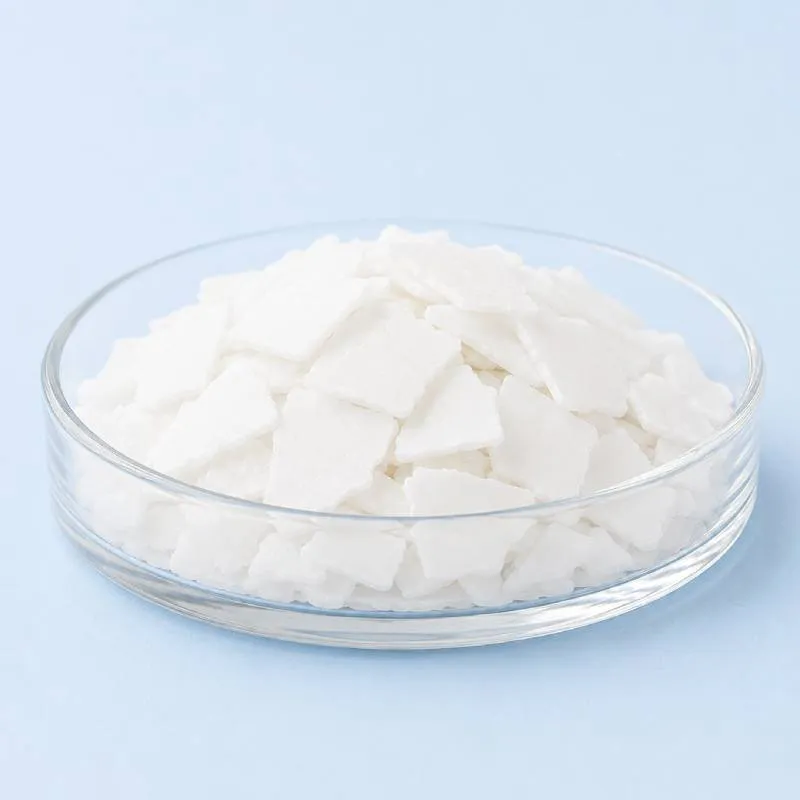
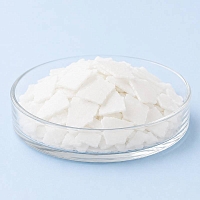
View powder, flakes
Valid until 04.2028
Add a review
Your score:
Send feedback
Error

Close window
Product added to cart
Total:
Request the price of the product
Fill in the details for the price request
Request a price Request a price