Worldwide delivery  |  Free delivery in all Ukraine from 1899 UAH
Product catalog
Master classes, recipes, tips
AMIGEL rheology guide: Sclerotium Gum in gels emulsions and suspensions
A comprehensive technical formulation guide dedicated to managing rheology in cosmetics using the natural polysaccharide AMIGEL (Sclerotium Gum). This article explores the physical mechanisms of polymer hydration and network formation for structuring clear gels, light emulsions, and particle-suspending fluids. It covers pre-dispersion in polyols, electrolyte stability, shear rate handling, incompatibility limits, thermal limits, and precise pH controls. Features three complete DIY recipes with step-by-step compounding instructions and cold storage standards.
Natpure Film AP: natural film-forming technology for skin color cosmetics and hair
A comprehensive technical formulation guide dedicated to utilizing the bio-based film former Natpure Film AP (derived from sugar cane) in color cosmetics and hair care. This article breaks down the physical mechanics of flexible film creation, moisture resistance, and pigment adhesion enhancement. It covers aqueous dissolution protocols, compatibility with natural polymers and gums, thermal boundaries, and precise pH controls. Features three complete DIY recipes with step-by-step compounding instructions and storage standards.
ViableCare LipoCare 8: integrating a liposomal ceramide complex into barrier-care formulas
A comprehensive technical formulation guide to designing skin barrier restoration creams and liposomal fluids using ViableCare LipoCare 8. This article breaks down the physiological mechanism of ceramide integration into stratum corneum lipids to stop transepidermal water loss. It details exact processing protocols to protect liposomal structures, low-shear cooling phase entry below thirty degrees Celsius, emulsifier compatibility, and pH boundaries. Features three complete DIY recipes with step-by-step compounding instructions and cold storage standards.
Product Description

Glycol Distearate for premium pearl appearance in shampoo wash and cleansing systems

Glycol Distearate, INCI Glycol Distearate, is a functional pearling, opacifying and texture-supporting ingredient used primarily in rinse-off surfactant products. It is relevant to shampoos, body washes, hand cleansers, bath products, creamy wash formats and professional cleansing systems. The material is selected when a formulator wants to move away from a fully transparent appearance and create a uniform pearly or milky presentation.

The ingredient should be understood within the architecture of the complete surfactant formula. Glycol Distearate does not replace the cleansing blend, preservative system, conditioning ingredients or viscosity control strategy. Its principal value is associated with visual structure and the physical character of a compatible cleansing base. The finished result depends on surfactant composition, processing temperature, cooling conditions, fragrance compatibility and final rheology adjustment.

Why pearl structure requires process control

A pearling ingredient is not simply a decorative powder mixed into a finished shampoo. The visual effect develops through controlled incorporation and structure formation.

The processing method influences crystal development and light reflection within the product. Poor distribution can lead to uneven appearance, while inconsistent cooling can produce batch variation.

For commercial production, the process should be documented carefully. Heating conditions, mixing speed, cooling profile and addition sequence should be repeatable.

This becomes especially important during scale-up. A production vessel does not heat and cool at the same rate as a laboratory beaker.

Shampoo formulation strategy

Shampoo is one of the most established applications for Glycol Distearate. The ingredient can be used in daily cleansing products, professional salon shampoos, family ranges, men's grooming concepts and other rinse-off hair products where a pearly appearance supports the product design.

The cleansing performance comes from the surfactant blend. Anionic surfactants may provide the primary cleansing function, while amphoteric and nonionic materials can be incorporated to modify the overall system.

A shampoo may also contain compatible conditioning polymers, humectants, hydrolyzed proteins and botanical materials. These additions should be selected for a clear formulation purpose.

Glycol Distearate itself should not be presented as the ingredient responsible for detangling or conditioning performance unless the complete finished formula has been designed and evaluated for those properties.

Creamy body wash concepts

In body cleansing products, Glycol Distearate can support the development of a visually rich cream wash format.

A pearly appearance does not automatically mean that the product is an emulsion. Many pearlized body washes remain surfactant systems rather than conventional oil in water creams.

This distinction matters when oils are added. A formulator should not assume that a pearlized wash can hold an unlimited amount of plant oil. Lipid incorporation requires a compatible formulation strategy.

For a straightforward body wash, humectants such as glycerin or betaine may be incorporated into the aqueous phase. Botanical extracts can be included when their supplied form and compatibility are understood.

Hand wash and hospitality products

Pearlized hand cleansers can be developed for retail, spa, salon and hospitality applications. In these categories, packaging performance is a significant part of product quality.

The cleanser should pass through the selected pump consistently. A product that appears suitable immediately after manufacturing may change in viscosity after equilibration.

For this reason, package testing should be carried out after the formula has developed its final structure.

Large-format professional packaging may require a different viscosity target from a small decorative pump bottle. The same formulation concept can therefore require controlled adjustment for different packaging systems.

Surfactant compatibility

Glycol Distearate can be used with different surfactant combinations, but the behavior of each system must be tested.

A traditional anionic and amphoteric blend may respond differently from a mild system containing a high proportion of glucosides. Changes in surfactant ratios can influence viscosity, pearling quality and processing behavior.

When a ready-made cleansing base is used, its complete INCI should be reviewed before modification. Adding Glycol Distearate to an unknown base without understanding the surfactant composition can lead to unpredictable results.

Fragrance as a structural variable

Fragrance is often treated only as a sensory ingredient, but in surfactant systems it can also influence viscosity and physical behavior.

A fragrance that performs well in one shampoo base may behave differently in another. The formula should therefore be evaluated after the final fragrance has been selected.

Final viscosity adjustment is best performed after ingredients with significant structural influence have been incorporated. Adjusting viscosity before fragrance addition can create unnecessary rework.

Fragrance stability should also be assessed during the product development program.

Electrolyte adjustment

Sodium chloride is commonly used to adjust the viscosity of selected surfactant systems. It should be added gradually rather than in one large addition.

The relationship between salt concentration and viscosity is not unlimited. After an optimum point, additional electrolyte may reduce viscosity.

For this reason, a production formula should define a controlled procedure rather than relying on approximate additions.

Other cleansing systems may require polymeric or associative thickeners instead of salt. The rheology strategy should be selected for the actual surfactant composition.

Botanical extracts and proteins

Water-soluble botanical extracts and hydrolyzed proteins can be incorporated into suitable pearlized products.

The supplied format of each raw material should be reviewed. A dry extract powder has different processing needs from a preserved aqueous extract.

Commercial complexes may contain water, glycerin, glycols or preservation ingredients. These materials become part of the final formula and should be considered during development.

A preservative present inside one supplied extract should not be assumed to preserve the entire shampoo or body wash.

Range development

Glycol Distearate can help create visual consistency across a product family. A shampoo, body wash and hand cleanser can share a recognizable pearlized presentation while maintaining different functional formulas.

Each category should have its own surfactant balance. A shampoo formula should not simply be repackaged as a hand wash, and a body wash should be designed around its actual application pattern.

The fragrance profile, viscosity and packaging can also differ across the range while maintaining a coherent visual identity.

Manufacturing approach

Begin with the aqueous phase and incorporate compatible water-soluble materials according to their individual requirements.

Introduce surfactants gradually under controlled mixing. Excessive aeration should be avoided because trapped foam makes processing and quality assessment more difficult.

Incorporate Glycol Distearate using the heating procedure required for complete and uniform distribution. Once the system is homogeneous, begin controlled cooling.

Add heat-sensitive materials at the appropriate cool-down stage. Incorporate preservative according to the technical requirements of the selected system.

Add fragrance and allow it to distribute fully before final viscosity adjustment. Electrolyte should be introduced gradually while monitoring the response of the batch.

Pearlized spa hand cleanser 1000 g

Purified water 660 g
Sodium laureth sulfate 155 g
Cocamidopropyl betaine 95 g
Lauryl glucoside 35 g
Glycol Distearate 25 g
Glycerin 12 g
Betaine 6 g
Water-soluble oat extract 3 g
Hydrolyzed rice protein 2 g
Preservative 5 g
Fragrance 1 g
Sodium chloride 0.8 g
Prepared citric acid solution 0.2 g

Total batch weight: 1000 g

Charge purified water into the main vessel and begin slow mixing. Add glycerin and betaine and continue mixing until the aqueous phase is uniform.

Introduce sodium laureth sulfate gradually. Once evenly distributed, add cocamidopropyl betaine followed by lauryl glucoside. Maintain controlled agitation to minimize foam generation.

Heat the surfactant system according to the processing requirements for Glycol Distearate. Add the pearling ingredient gradually and mix until the batch is uniform.

Begin controlled cooling. At a suitable cool-down stage, add the water-soluble oat extract and hydrolyzed rice protein according to the processing guidance for the actual supplied grades.

Add the preservative under the conditions required by the selected preservation system. Incorporate the fragrance and mix until fully distributed.

Add sodium chloride gradually while monitoring viscosity. Measure final pH. Use the prepared citric acid solution only when adjustment is required by actual measurement.

Allow the hand cleanser to equilibrate before filling. Recheck viscosity, pH, pearl uniformity, fragrance character and pump performance.

Quality evaluation

A pearlized cleansing product should be evaluated for uniform appearance, viscosity, pH, odor stability and physical consistency.

The pearling effect should remain uniform during the planned stability program. Package compatibility should be assessed using the actual bottle, closure and pump selected for commercial use.

For scale-up, the manufacturer should record phase temperatures, heating time, cooling profile and mixing conditions. Process variation can affect the visual result even when the ingredient quantities remain unchanged.

Glycol Distearate is a versatile technical ingredient for manufacturers developing shampoos, body washes, hand cleansers and other rinse-off products with a distinctive pearlized presentation. Successful formulation depends on more than adding a pearling agent. A compatible surfactant system, controlled thermal process, carefully selected fragrance and reproducible viscosity adjustment are all essential parts of the finished product development strategy.

Characteristics:
INCI Glycol Distearate
Other
Application Cosmetics: shampoos, shower gels, liquid soap, creams, lotions Body care: bath foams, shaving products Hair care: conditioners, shampoos with a shine effect Decorative cosmetics: liquid highlighters, pearlescent bases Household chemicals: visual improvement of products
Att brand Germany
Color product White or creamy white
Dosage Shampoos and gels: 1–3% Creams and emulsions: 0.5–2% Conditioners: 1–2% Foams and gels: 2–4% Decorative cosmetics: up to 5% Introduced in the hot phase, melting point 60–65°C
Features All information presented on the site is for reference only
Minimum count 1
Name Glycol Distearate 100 g
Packaging container for transportation
Packing 100 g
Properties Pearlescent effect in shampoos and gels Emulsion stabilizer Improves the consistency and appearance of cosmetics Softens the skin Reduces foaming (high concentration) Stabilizes foam in small doses Gives visual density and silkiness Non-toxic, biologically safe Has conditioning properties
Purpose Used in cosmetics as a pearlescent agent, emulsifier, structure-improving component In shampoos, shower gels and soaps - gives a pearlescent shine and dense texture In creams and emulsions - works as a co-emulsifier and thickener Compatible with anionic and non-ionic surfactants Used in decorative cosmetics, creams, conditioners, gels, foams
Solubility Insoluble in water Well soluble in hot oils, alcohols, surfactants Disperses in the aqueous phase when heated
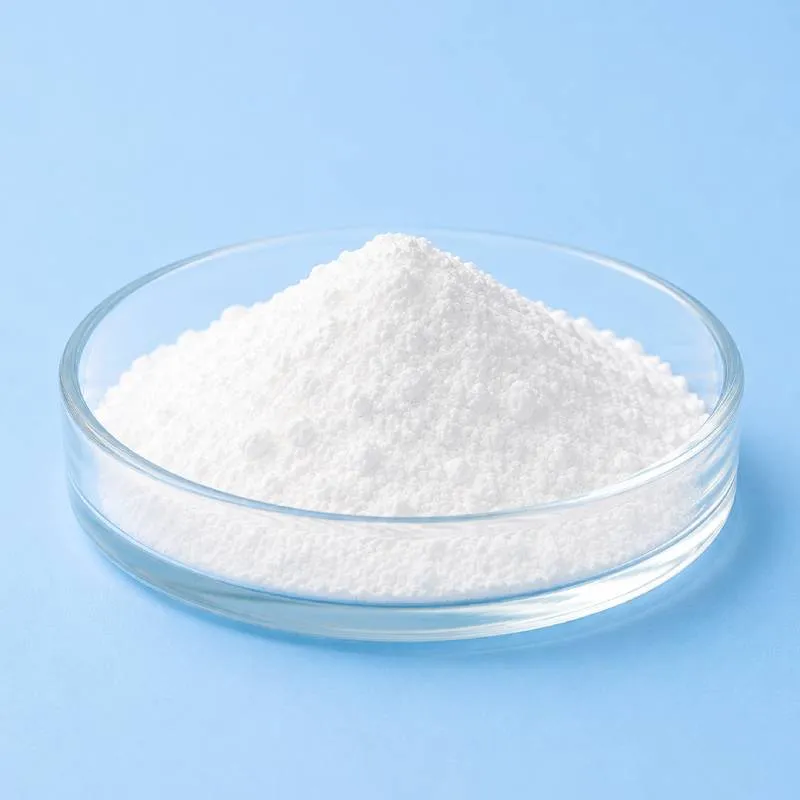
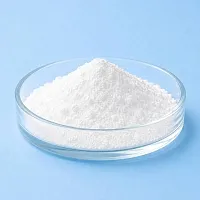
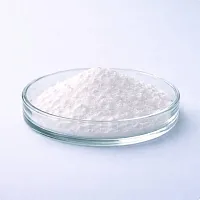
View Waxy flakes, plates or powder Sometimes large crystals
Valid until 09.2028
Reviews (1) Add a review
Product rating:
  • Date:
    today
    Author:
    Серафима, Карловка
    Reviews

    Замовляла інгредієнти для бомбочок для ванни. Результатом дуже задоволена! Бомбочки вийшли ароматні та красиві.

    Is the review useful? Yes (0) No (0)
Add a review
Your score:
Send feedback
Error

Close window
Product added to cart
Total:
Request the price of the product
Fill in the details for the price request
Request a price Request a price